


Camp Kitchen Setups
What You’ll Find on This Page
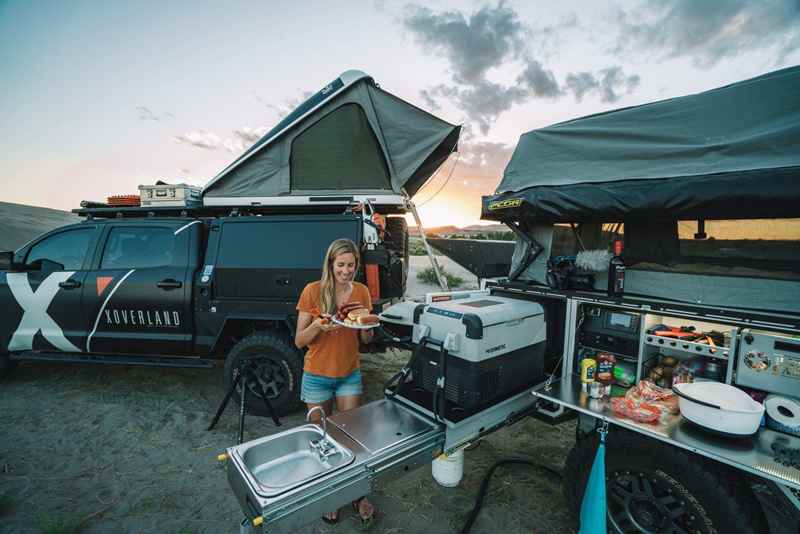
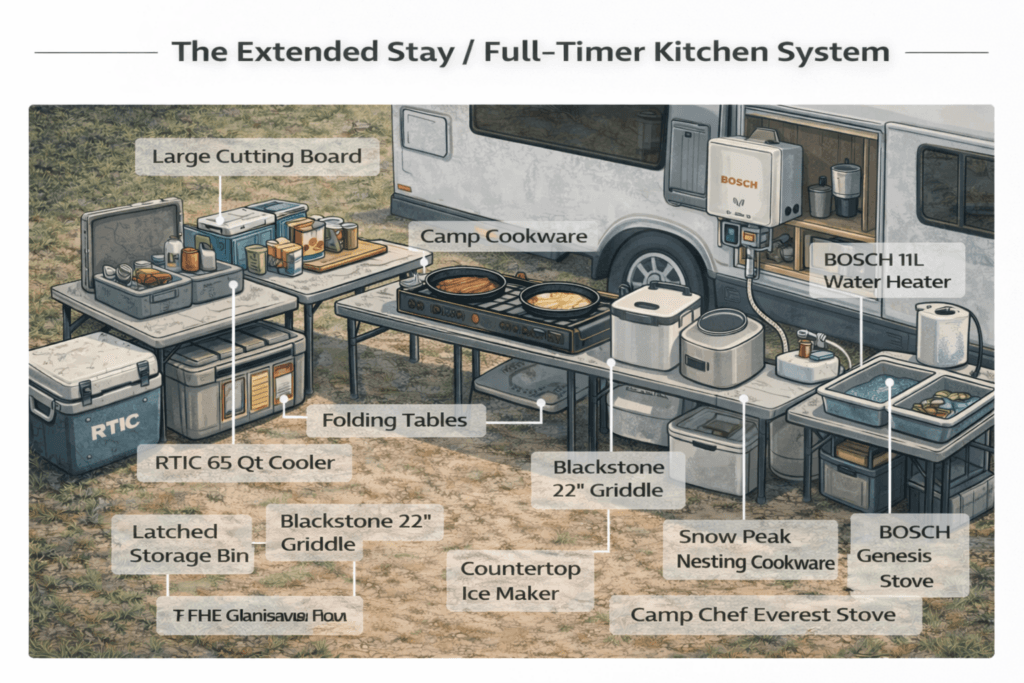
A good camp kitchen setup is more than a stove and a pile of cookware. It works best when each piece has a job, and the whole setup follows a sensible flow. This page pulls together the gear and system ideas behind five practical camp kitchen setups: a minimalist weekend setup, a family basecamp kitchen, an RV galley extension, an overland or compact vehicle setup, and an extended stay or full-timer kitchen. The chapter shows how those systems work in real camp use, and this page gives you a cleaner way to review the gear, compare the setups, and sort out what actually fits your style.
Some campers only need a compact stove, one skillet, and a cooler that can hold enough food for a couple of days. Others need more elbow room, more burner space, or a fridge setup that supports longer stays. That is where perfect camp kitchen setups matter. A good setup keeps cold storage, prep, cooking, and cleanup from turning into a traffic jam. The chapter leans heavily on workflow, packing discipline, and realistic campsite habits, and those same ideas shape this page.
Use this page to compare the five camp kitchen setup styles, review the recommended products by category, and narrow your choices before you start buying more gear than you need. If your meals are simple, you can stay lean. If you cook often, feed more people, or stay parked longer, you will probably want more structure, better refrigeration, and a setup that feels less like improvising and more like cooking with purpose. The chapter goes deeper into layout logic and trade-offs, but this page gives you a solid working shortlist.
GEAR TIP:
The fastest way to make camp cooking annoying is to mix prep, heat, and cleanup into one cramped spot. Even a small kitchen works better when you give each task its own lane.
Quick Gear Summary
- Single-burner stove setups for short, simple trips
- Two-burner family setups with more cooking volume
- RV-friendly outdoor cooking systems that keep grease and heat outside
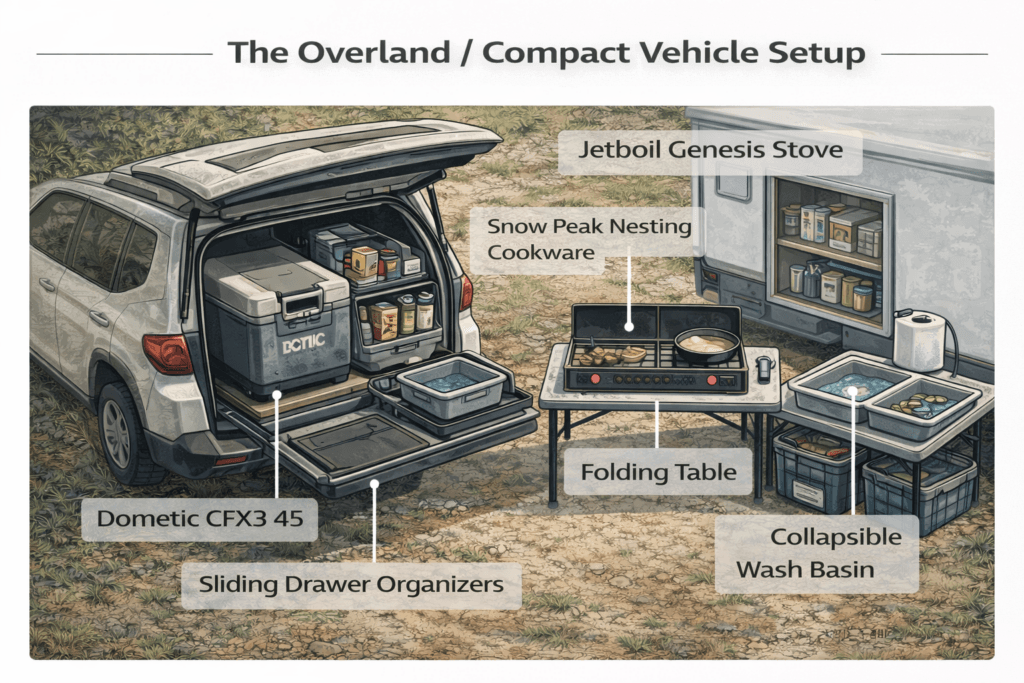
- Compact overland kitchens built around nesting gear and powered refrigeration
- Extended-stay systems with bigger stoves, oven capability, and serious cold storage
- Coolers, 12V fridges, portable sinks, cook sets, griddles, and prep tables that support each layout style
Product Recommendations by Category
The products below represent commonly recommended options within the categories discussed in this chapter.
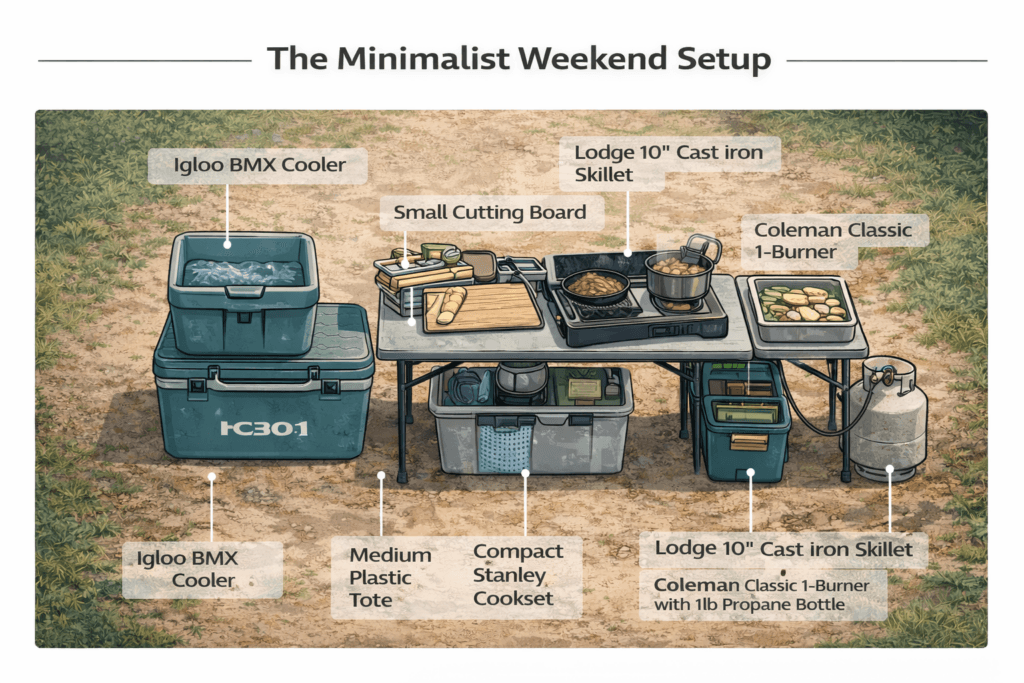
The Minimalist Weekend Setup
This group suits solo campers, couples, and anyone packing for a short trip where speed and simplicity matter most. It keeps the kitchen light, compact, and easy to manage without giving up real meal options.
Coleman Classic 1-Burner Propane Stove
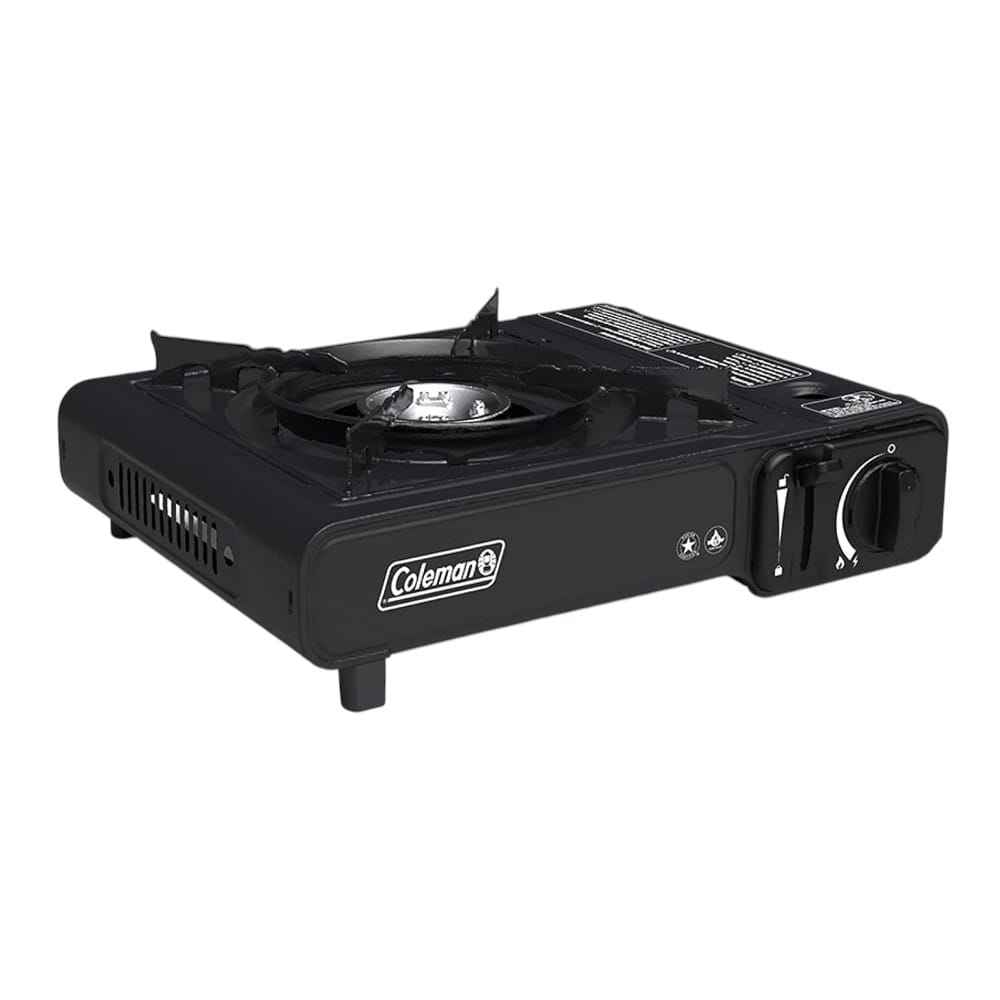
Compact single-burner stove for simple camp meals, fast setup, and easy packing on short trips.
Lodge 10.25“ Cast Iron Skillet
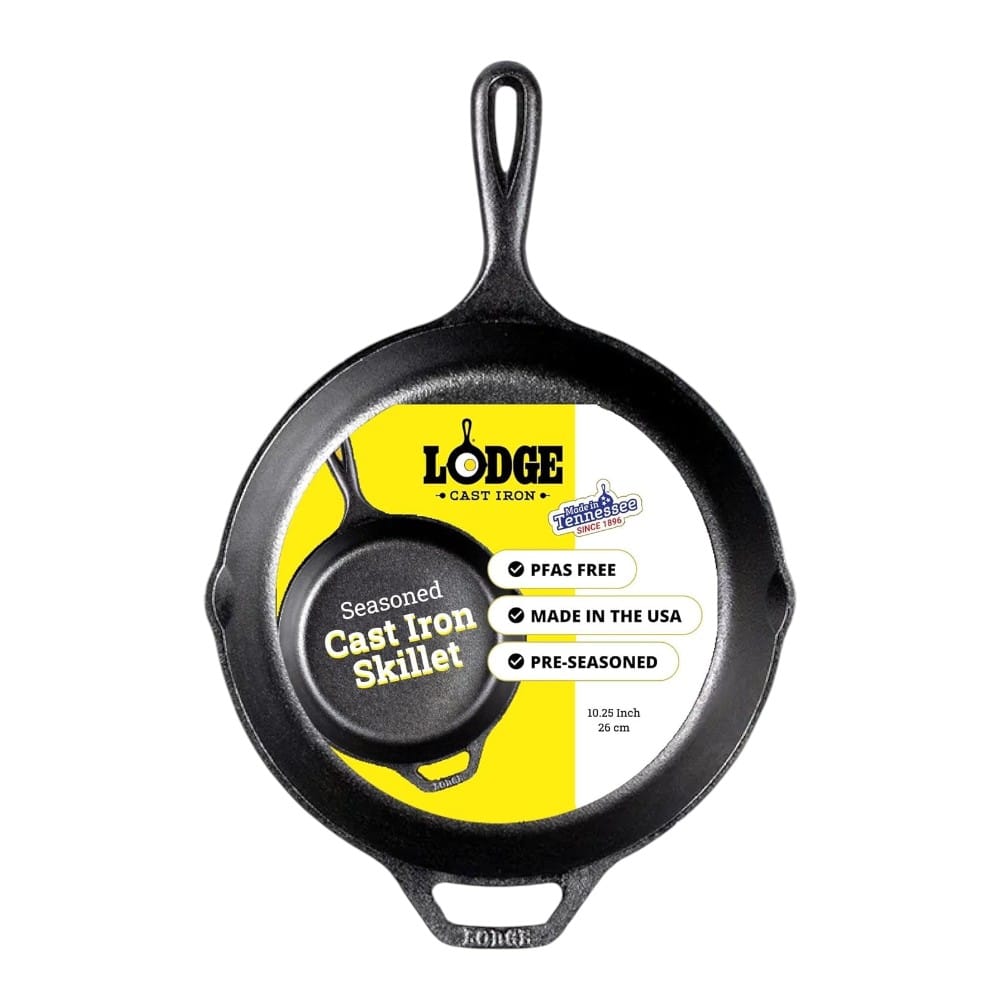
Reliable cast-iron skillet for searing, frying, and one-pan camp meals in windy outdoor conditions.
Stanley Adventure Camp Cook Set
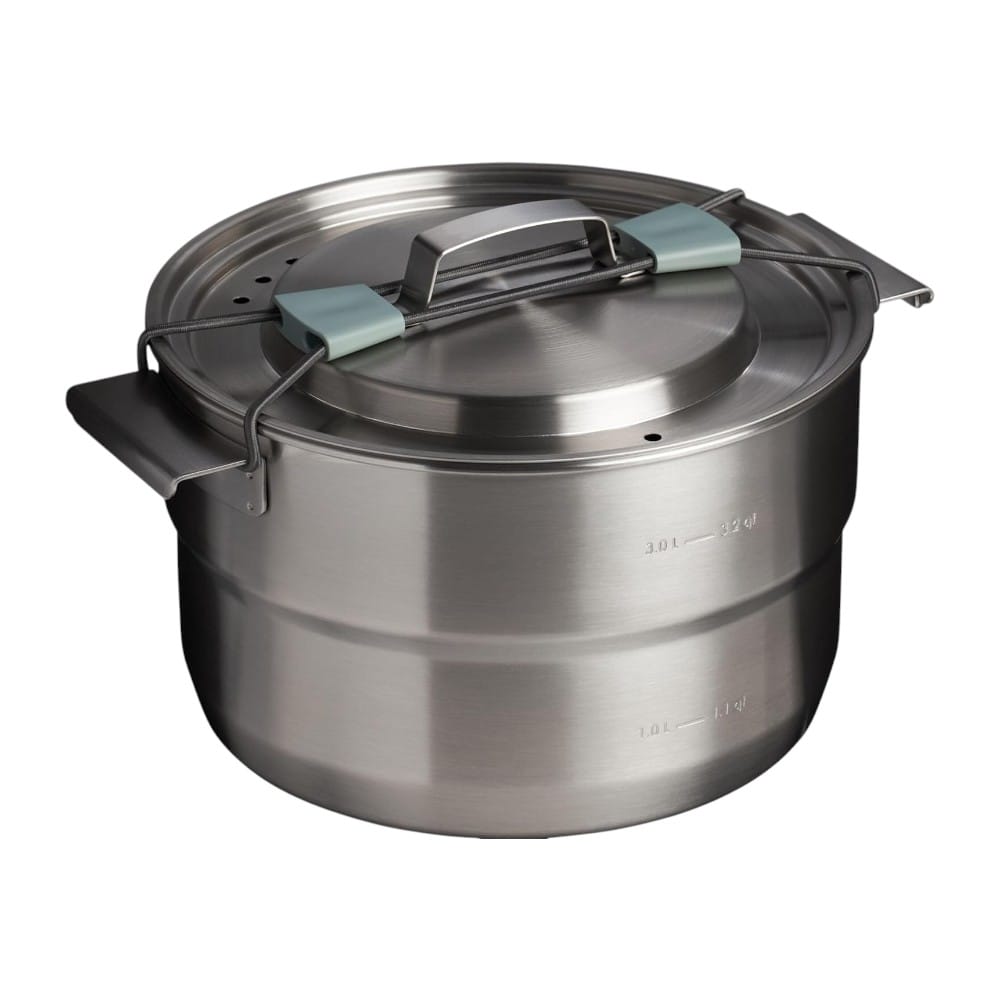
Nesting cook set that saves space and handles water boiling, pasta, soup, and basic camp cooking.
Sea to Summit X-Wash Collapsible Sink
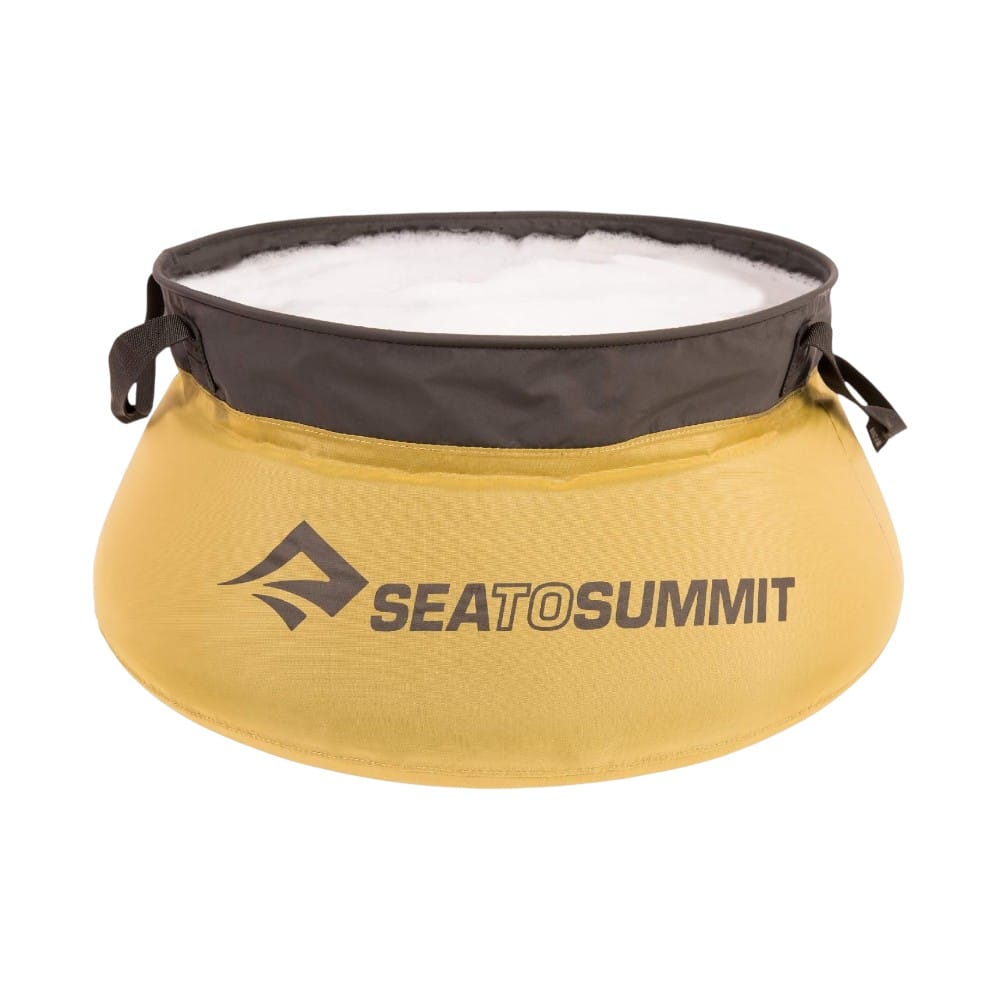
Collapsible sink that keeps cleanup contained and packs flat when storage space is limited.
Igloo BMX 52 Quart Cooler
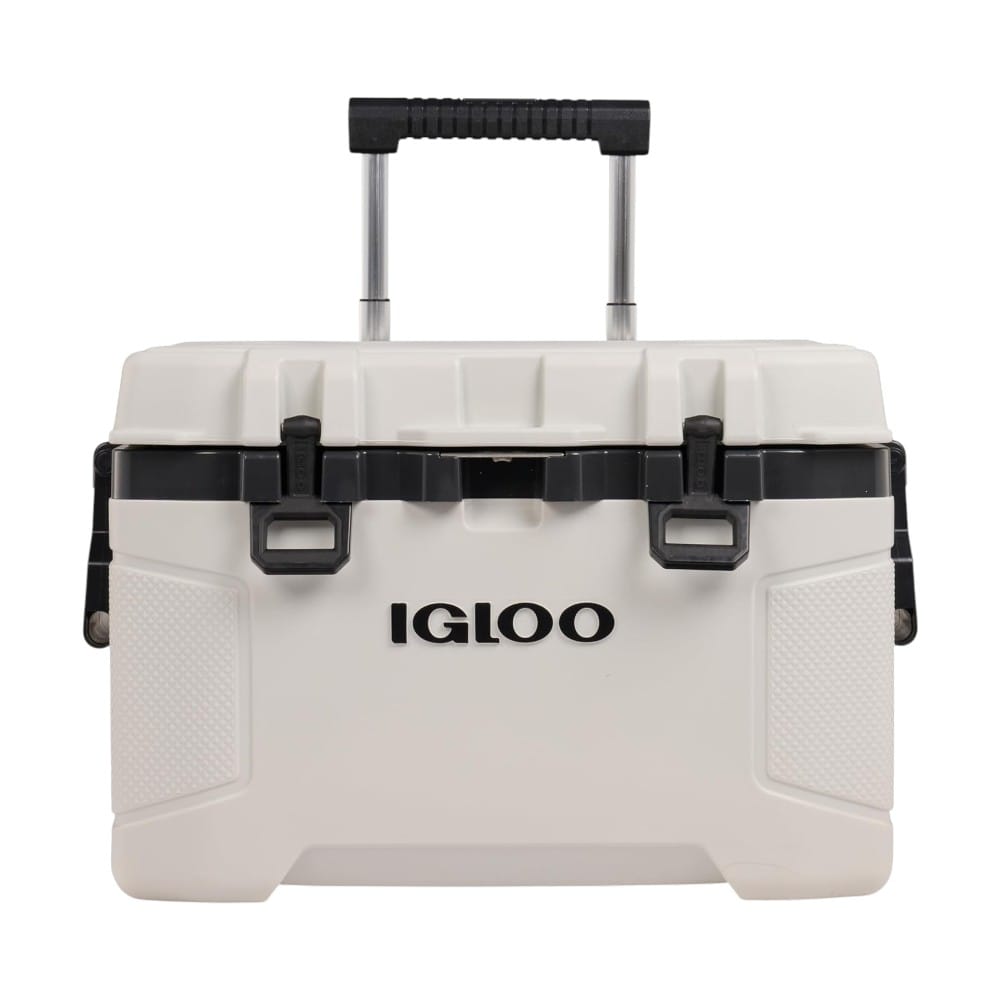
Mid-sized cooler with enough space for weekend provisions without adding unnecessary bulk or weight.
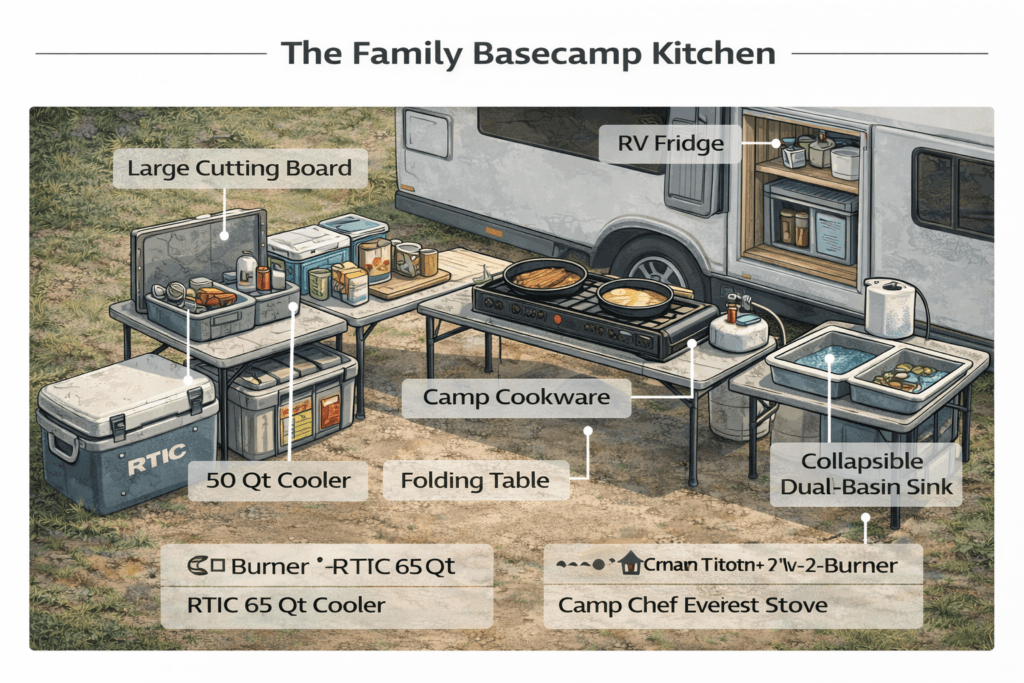
The Family Basecamp Kitchen
This setup suits campers who feed more people and cook fuller meals at a more settled campsite. It works best when you want clear work zones, more burner capacity, and enough gear to keep the whole process from bogging down.
Coleman Triton+ 2-Burner Propane Stove
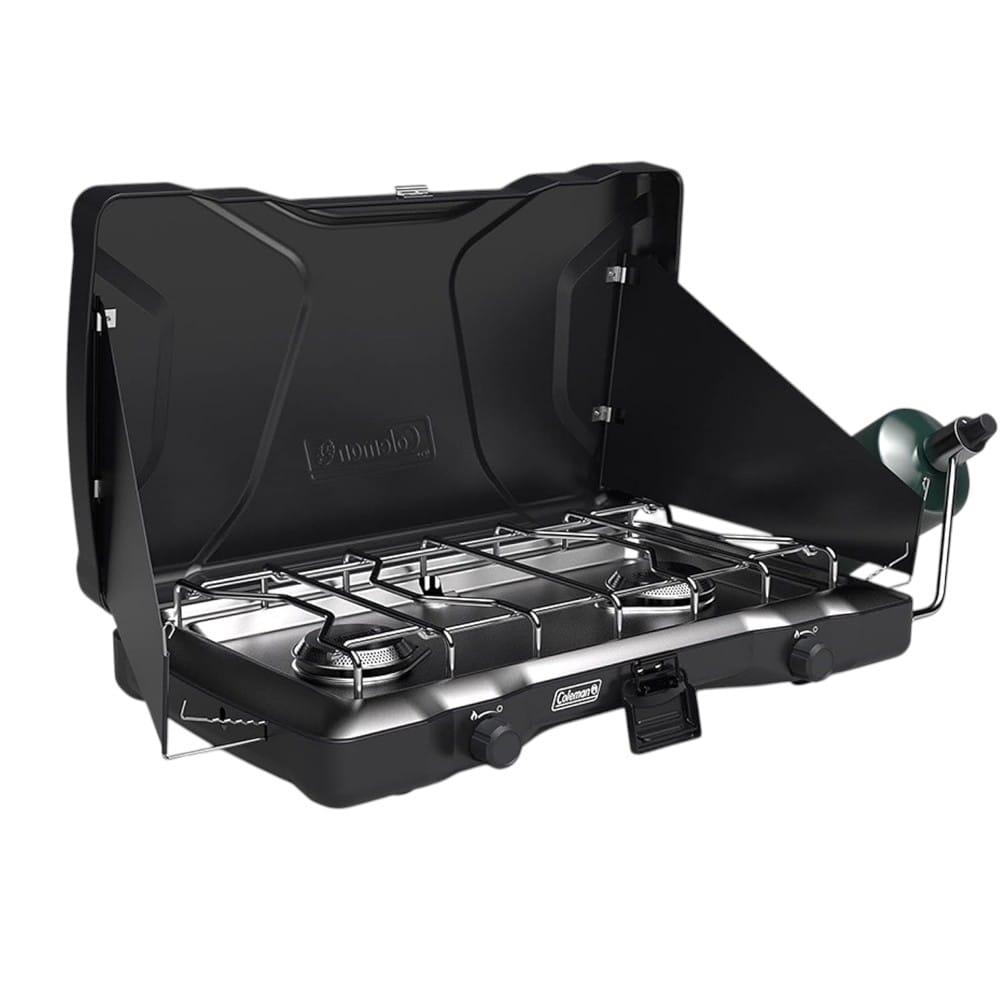
Two-burner stove for faster family meal prep and smoother campsite cooking during busy mealtimes.
Lodge Reversible Cast Iron Griddle
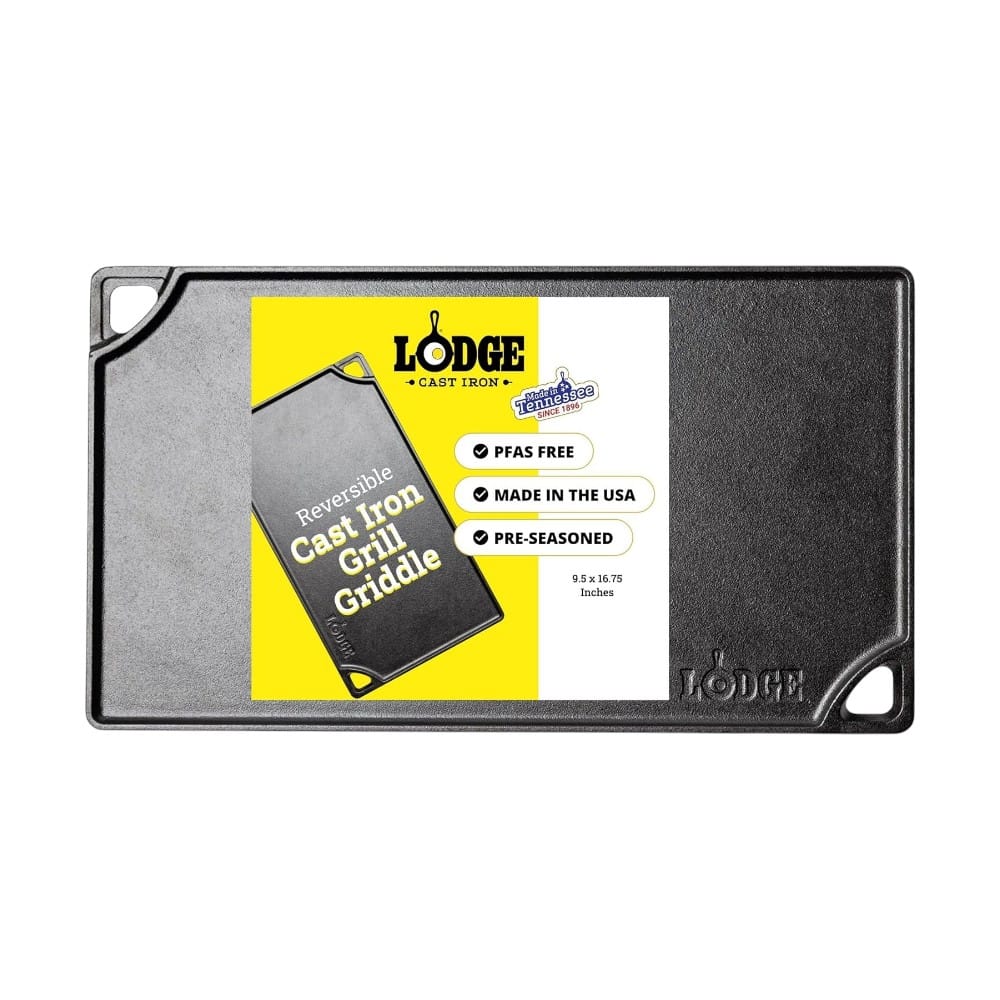
Reversible griddle that expands cooking space and speeds up breakfast and batch cooking for groups.
GSI Outdoors Bugaboo Base Camper Cookset
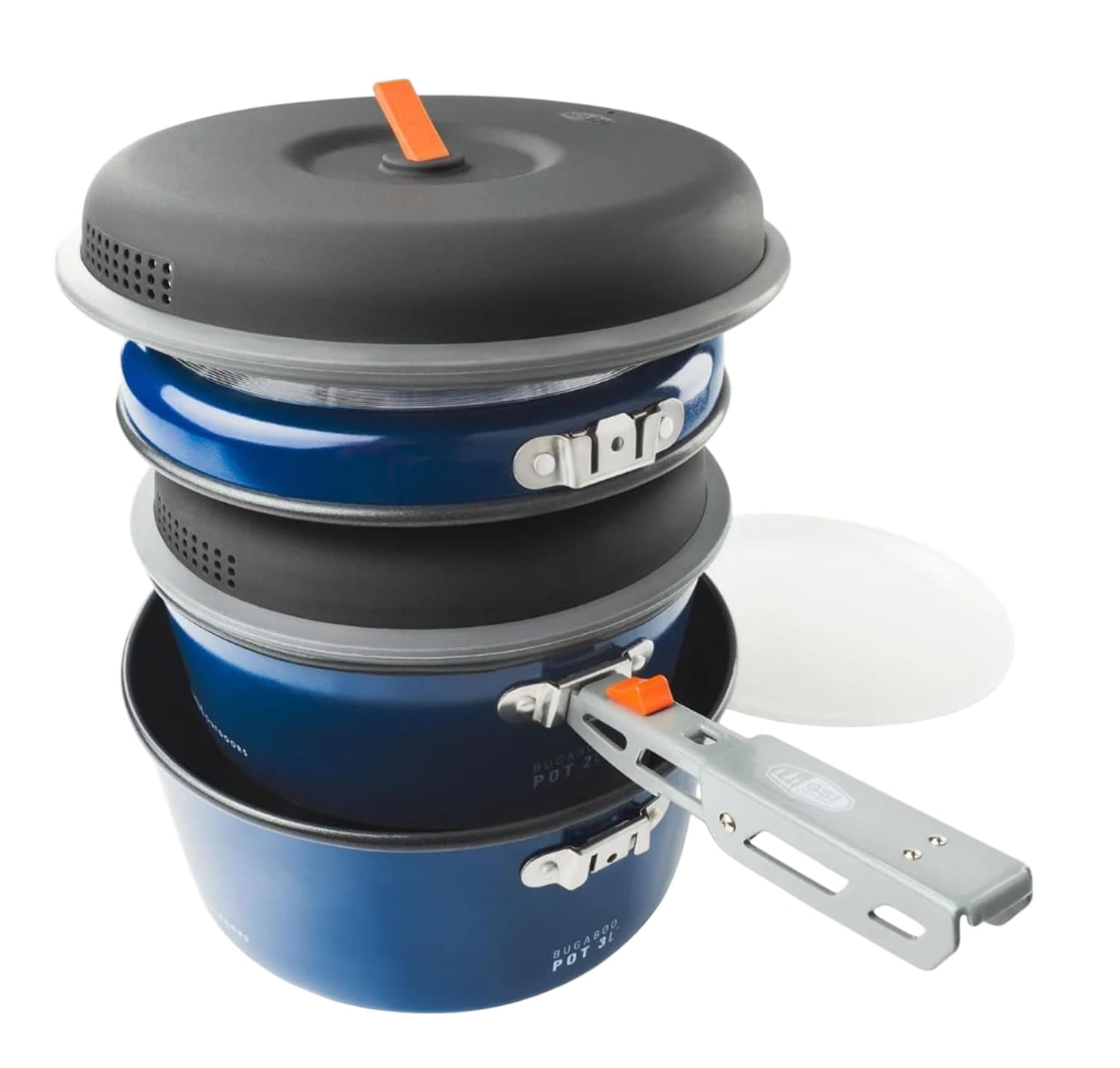
Layered cookset with nesting pieces for group meals, organized packing, and less campsite clutter.
Freegrace Collapsible Dish Tub (2-Pack)
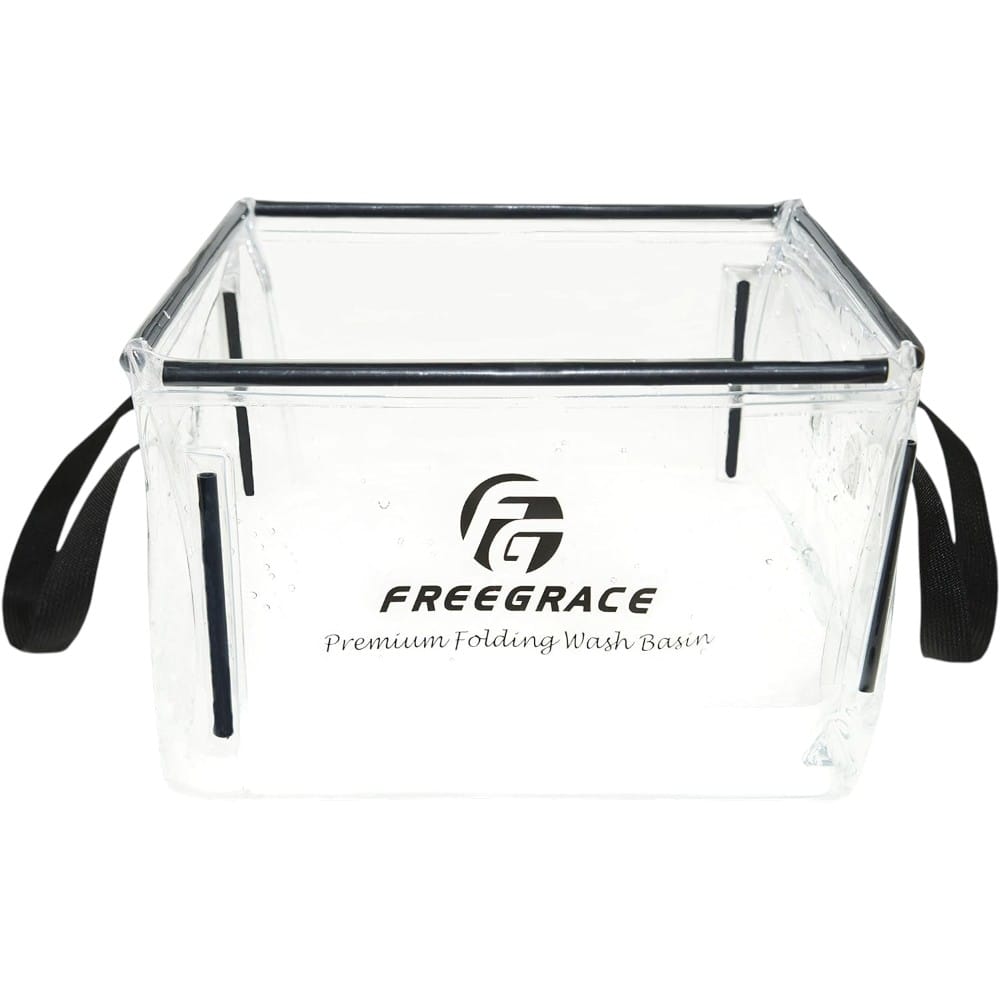
Two-basin wash system that separates washing and rinsing for cleaner, more efficient camp cleanup.
RTIC 65 Quart Hard Cooler
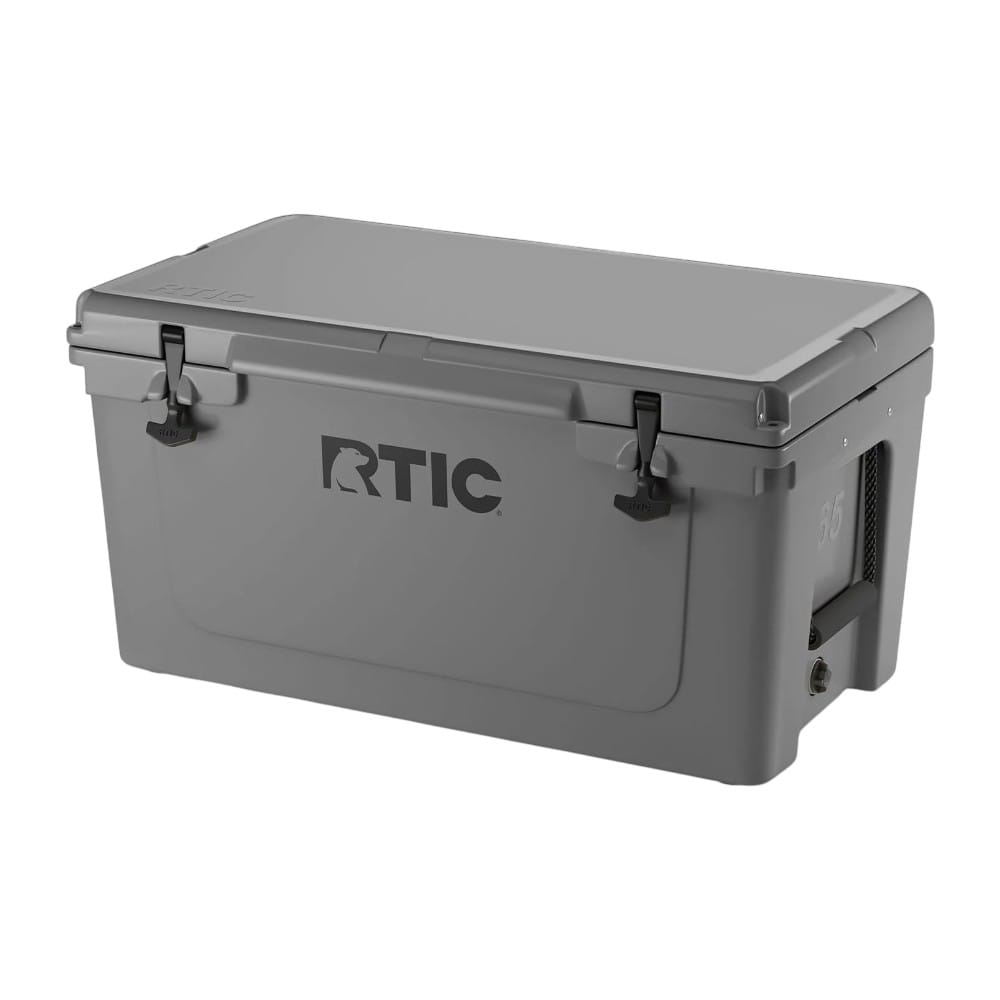
Large hard cooler suited to multi-day trips, bigger food loads, and better cold-storage organization.
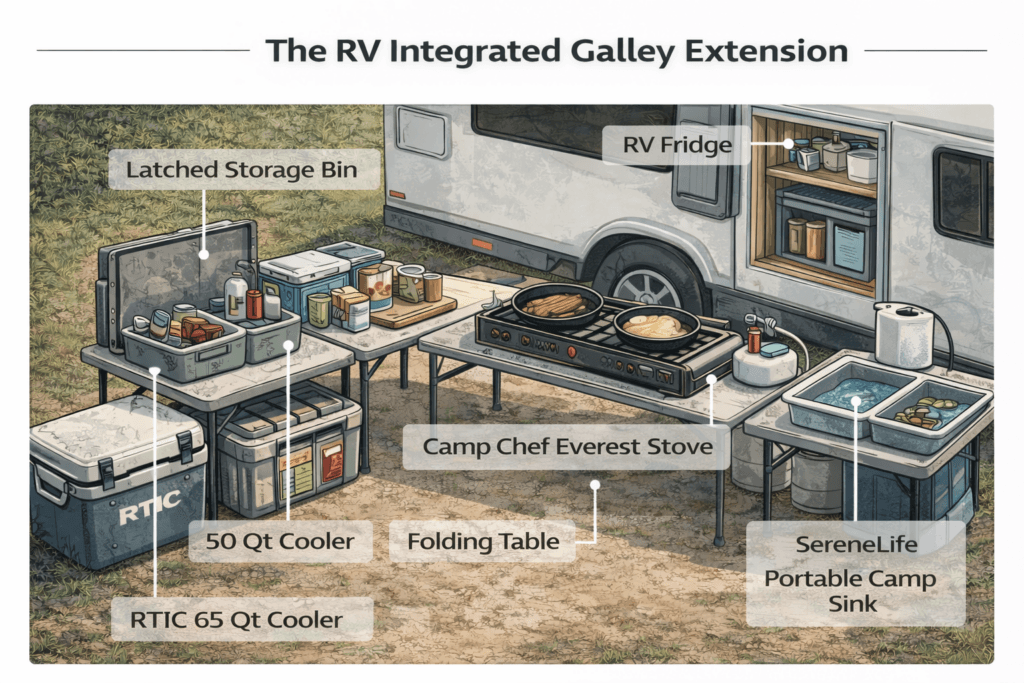
The RV Integrated Galley Extension
This setup fits RV travelers who want to use the built-in fridge and pantry but move heat, smoke, and greasy cooking outdoors. It is a smart middle ground for longer stays without turning the campsite into a full basecamp sprawl.
Camp Chef Everest 2X Stove
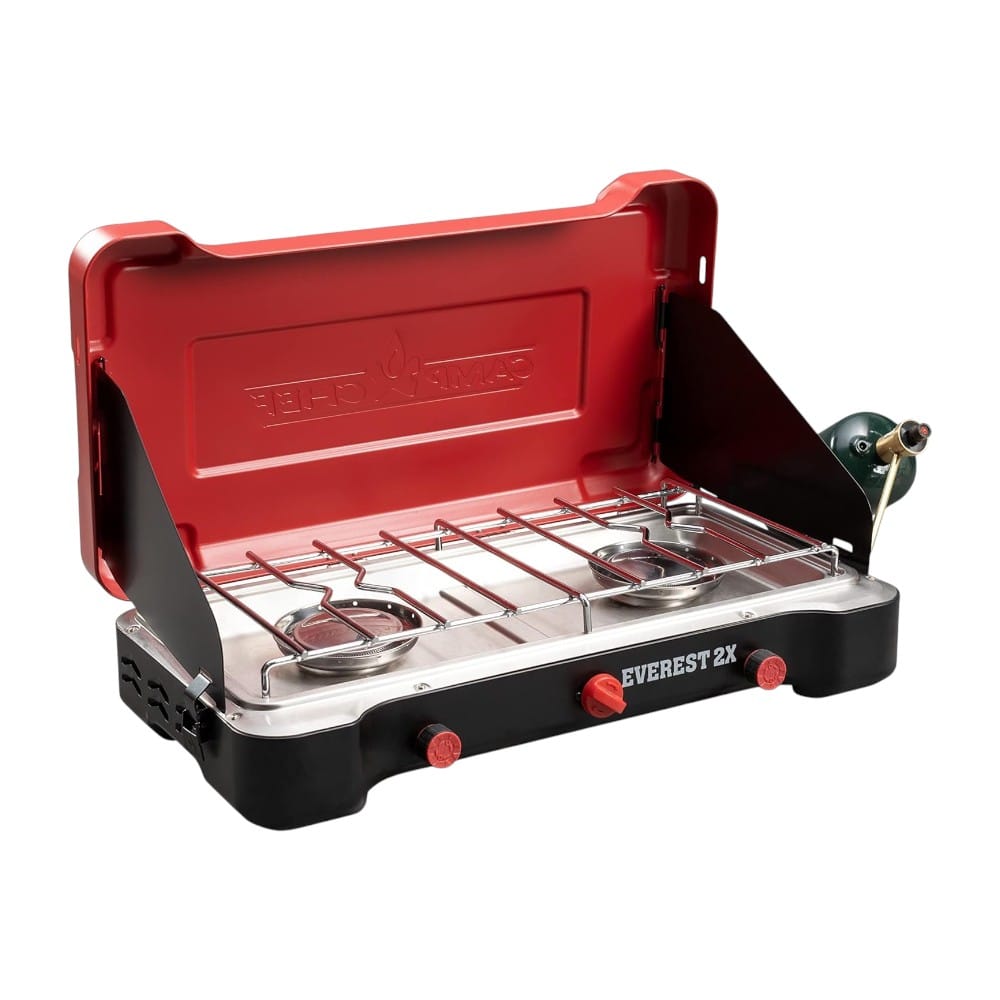
High-output stove that handles stronger searing, faster boiling, and more capable outdoor RV cooking.
Blackstone 17” Tabletop Griddle
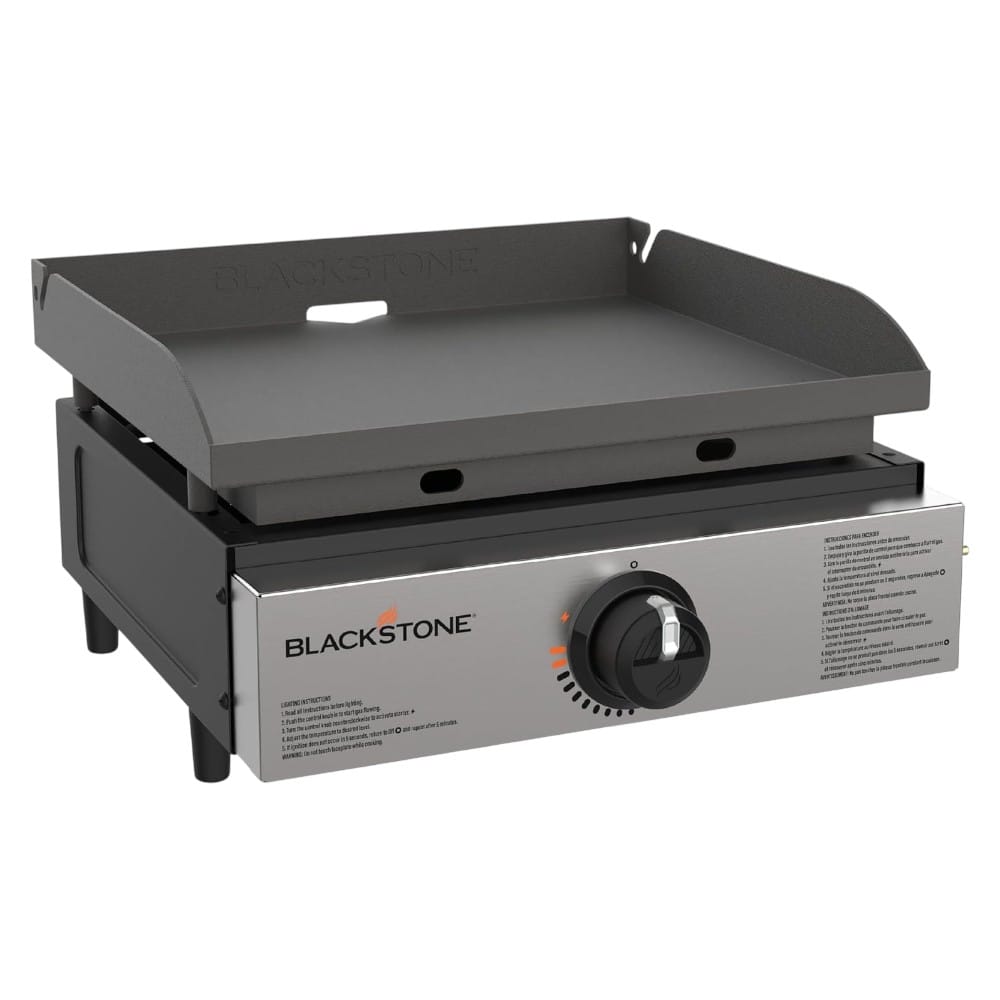
Tabletop griddle that boosts surface area for breakfast, burgers, and batch cooking outside the RV.
Camco Deluxe Folding Grill Table
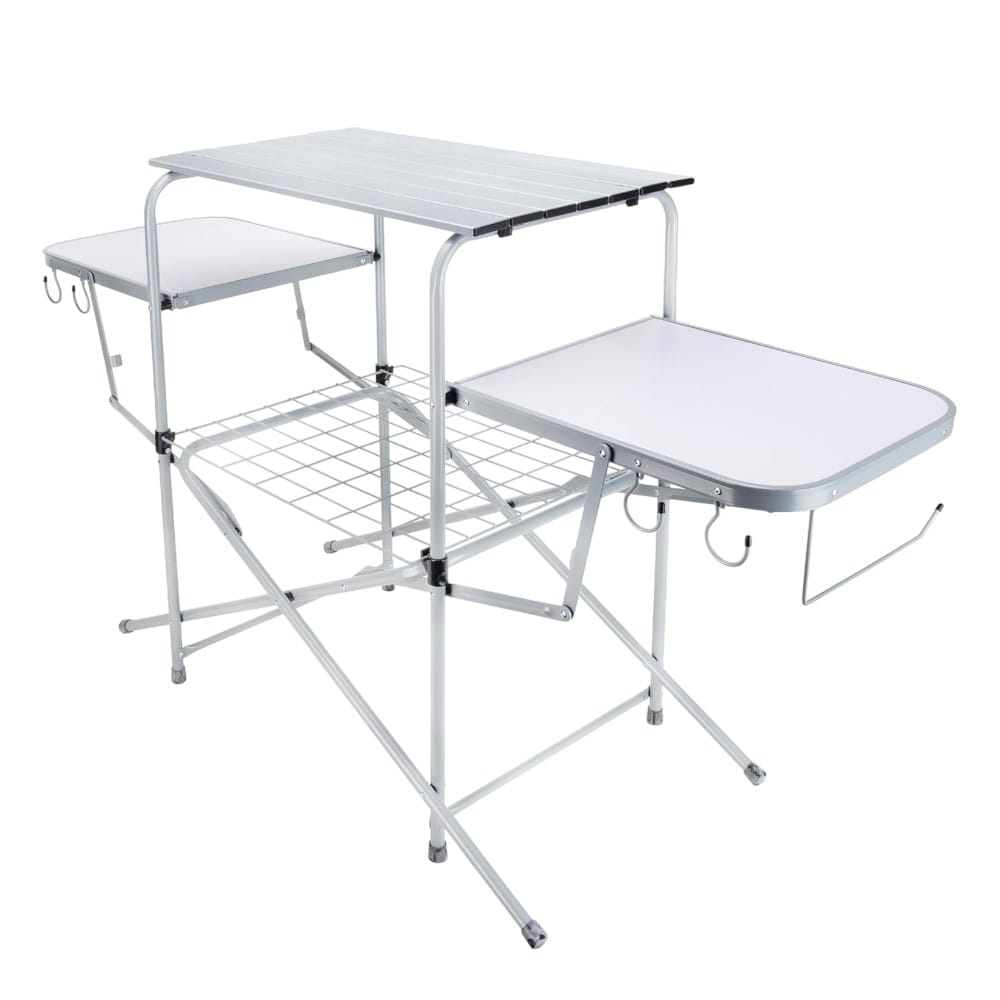
Stable folding table for prep work, staging ingredients, and reducing strain during longer meal sessions.
SereneLife Portable Camping Sink
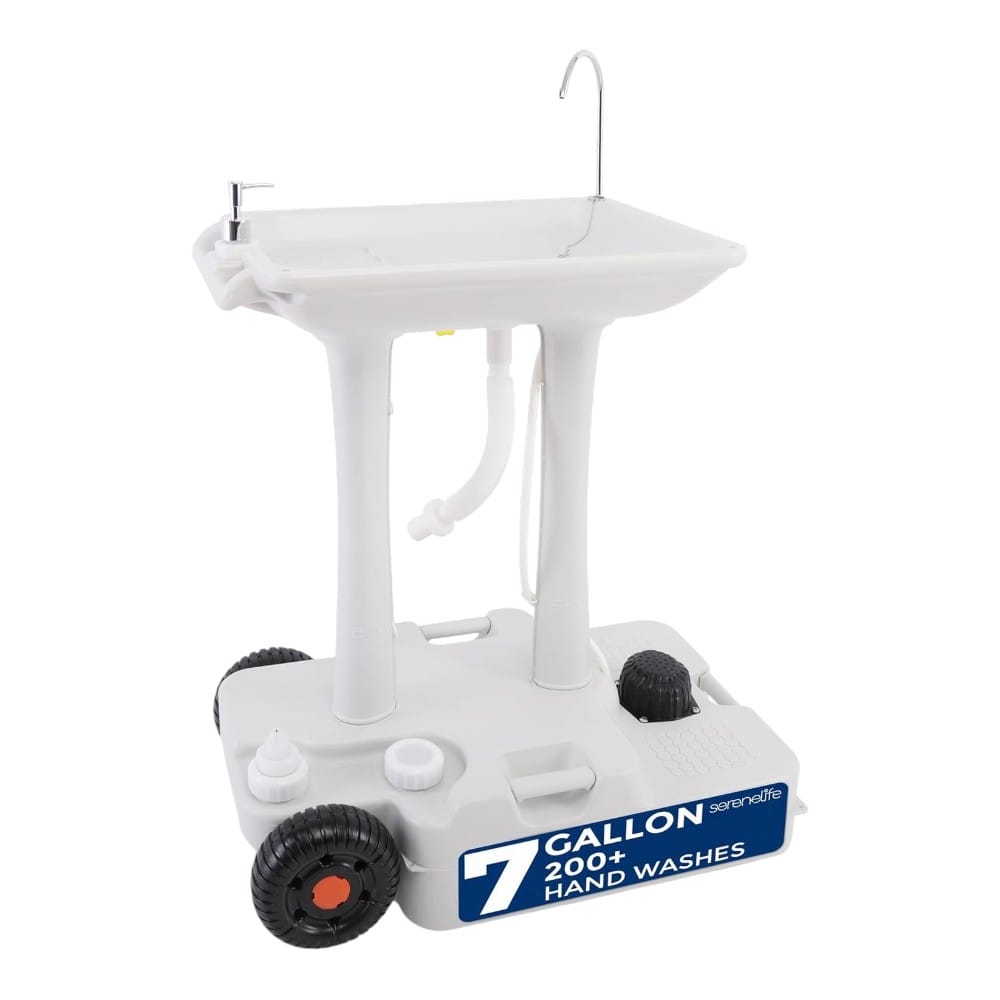
Portable sink with onboard water storage for cleaner dishwashing and less mess near RV steps.
The Overland / Compact Vehicle Setup
This category suits travelers working with tight storage, drawer systems, tailgates, and fast roadside deployment. The best gear here earns its space by nesting well, packing tight, and staying useful every day.
Jetboil Genesis Basecamp Stove
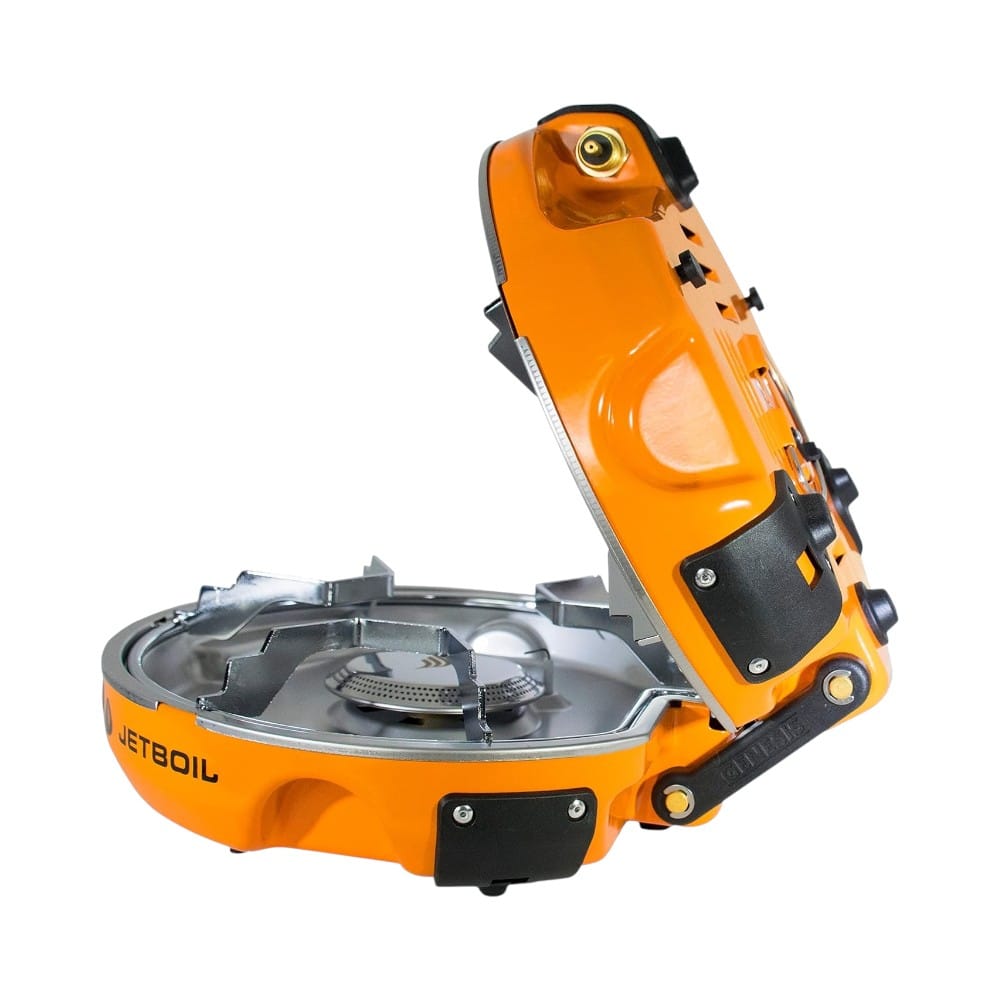
Foldable two-burner stove built for compact storage, fast deployment, and efficient roadside meal prep.
Snow Peak Trek 900 Titanium Cookset
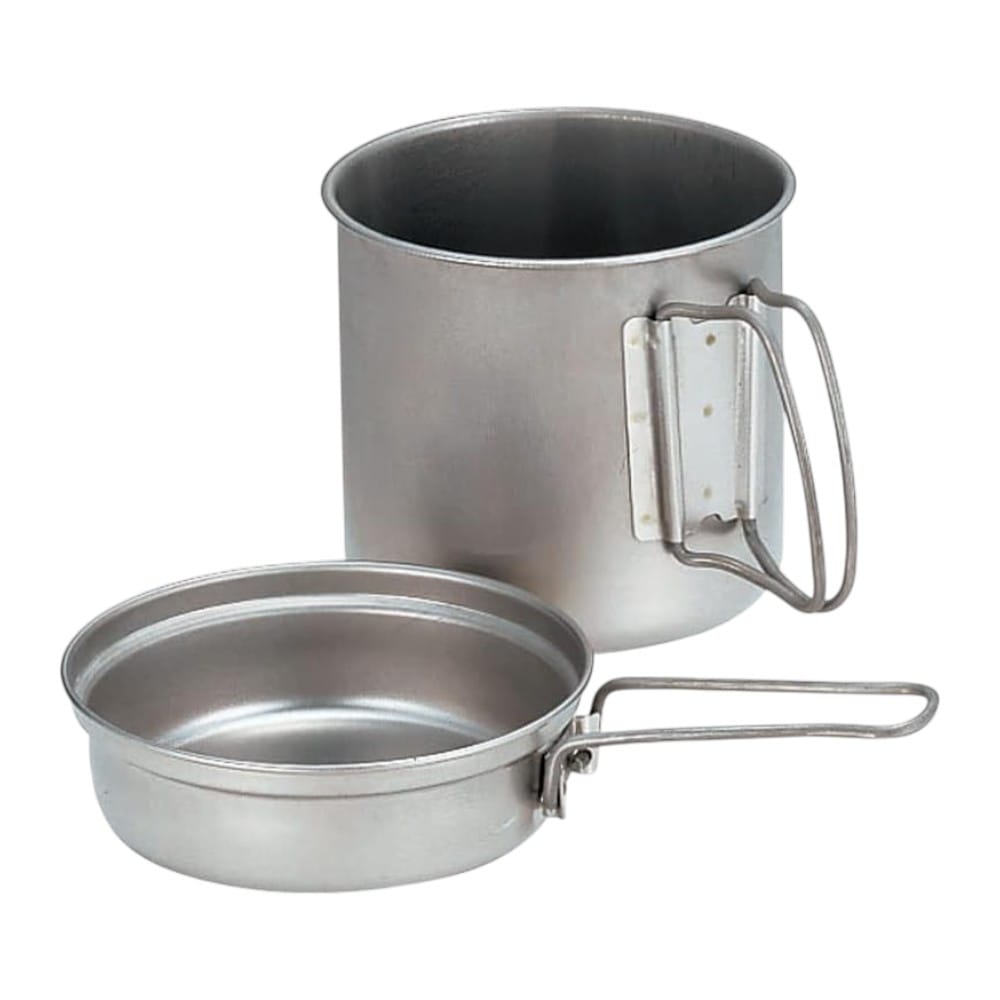
Lightweight titanium cookset that nests tightly and keeps overland kitchen weight under control.
Dometic CFX3 45 Portable Fridge
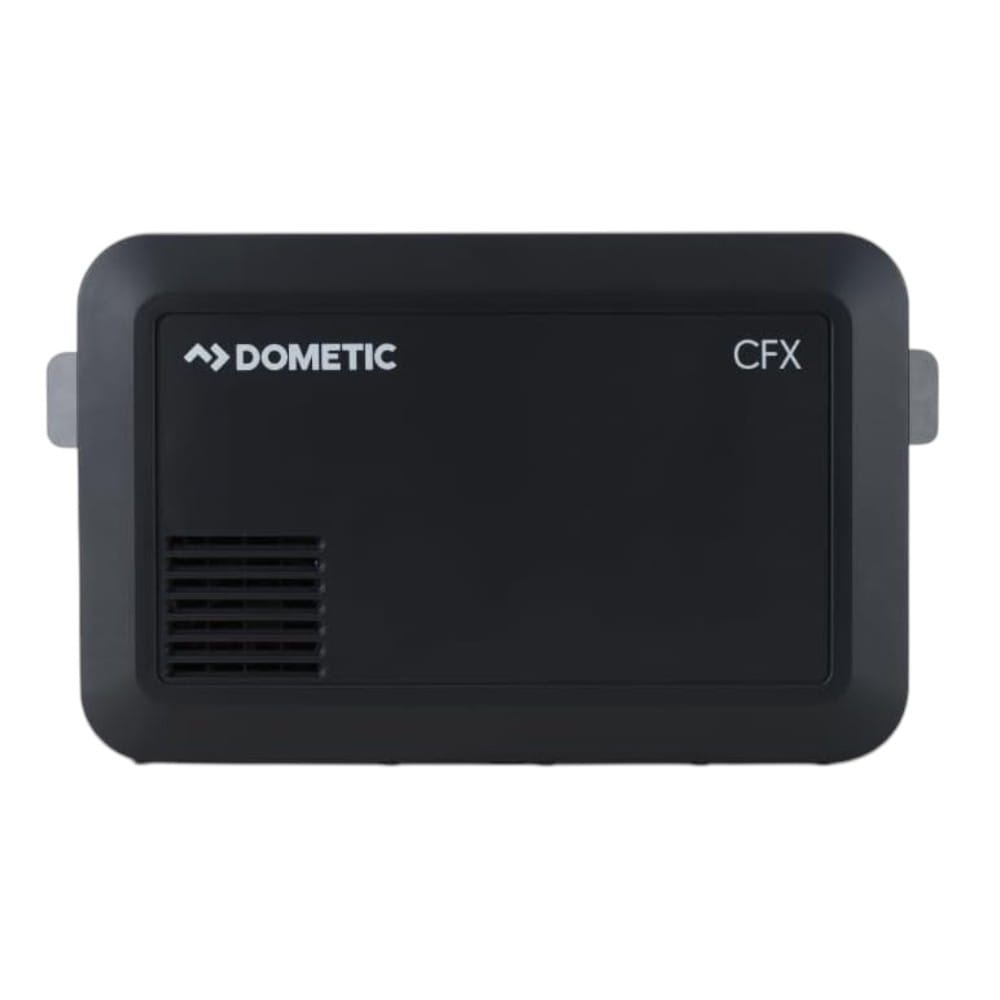
12V portable fridge that improves food safety and removes the hassle of managing melting ice.
The Extended Stay / Full-Timer Kitchen System
This group works for campers who stay put longer, cook more often, and want a kitchen that feels structured rather than improvised. It favors cooking flexibility, bigger cold storage, and enough separation for two people to work without stepping on each other.
Camp Chef Explorer 3-Burner Stove
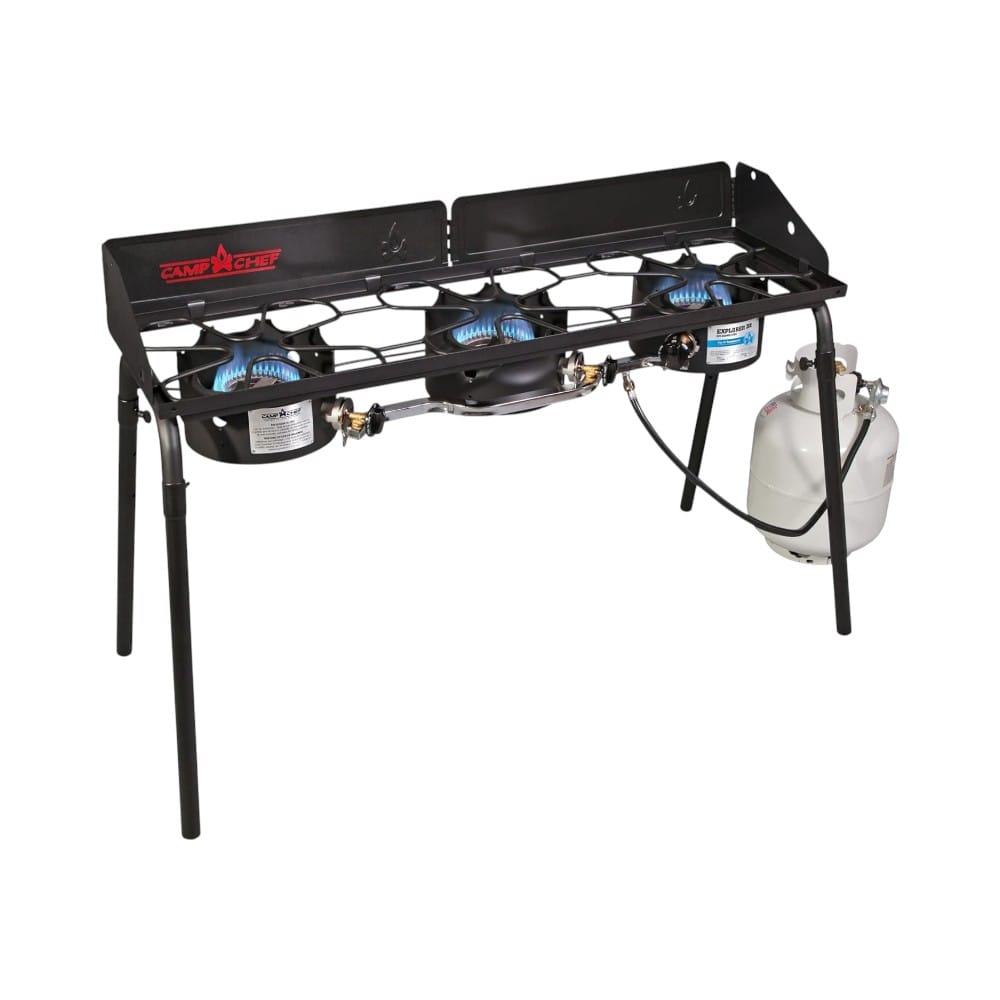
Three-burner stove for bigger meals, multitasking, and less waiting during extended camp stays.
Coleman Camp Oven
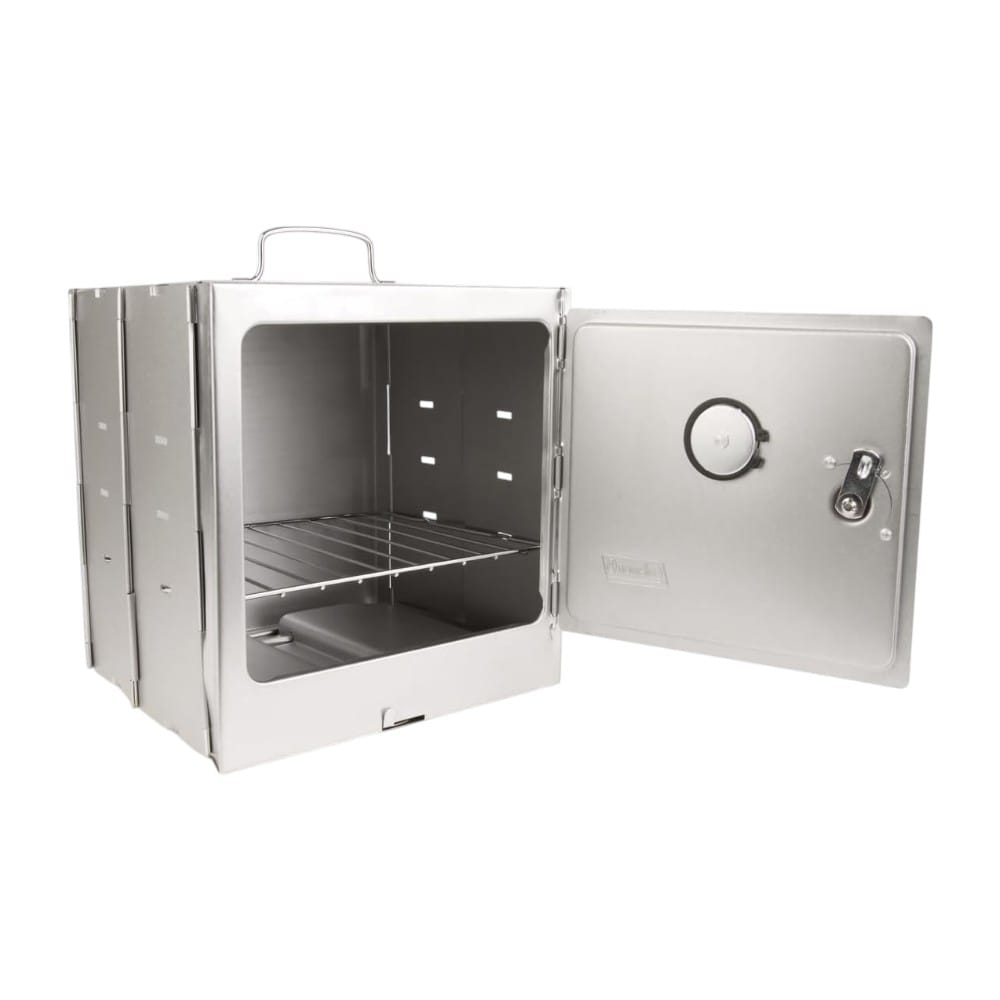
Portable camp oven for biscuits, casseroles, and roasted foods during longer stays outdoors.
ICECO VL65 Dual Zone Fridge/Freezer
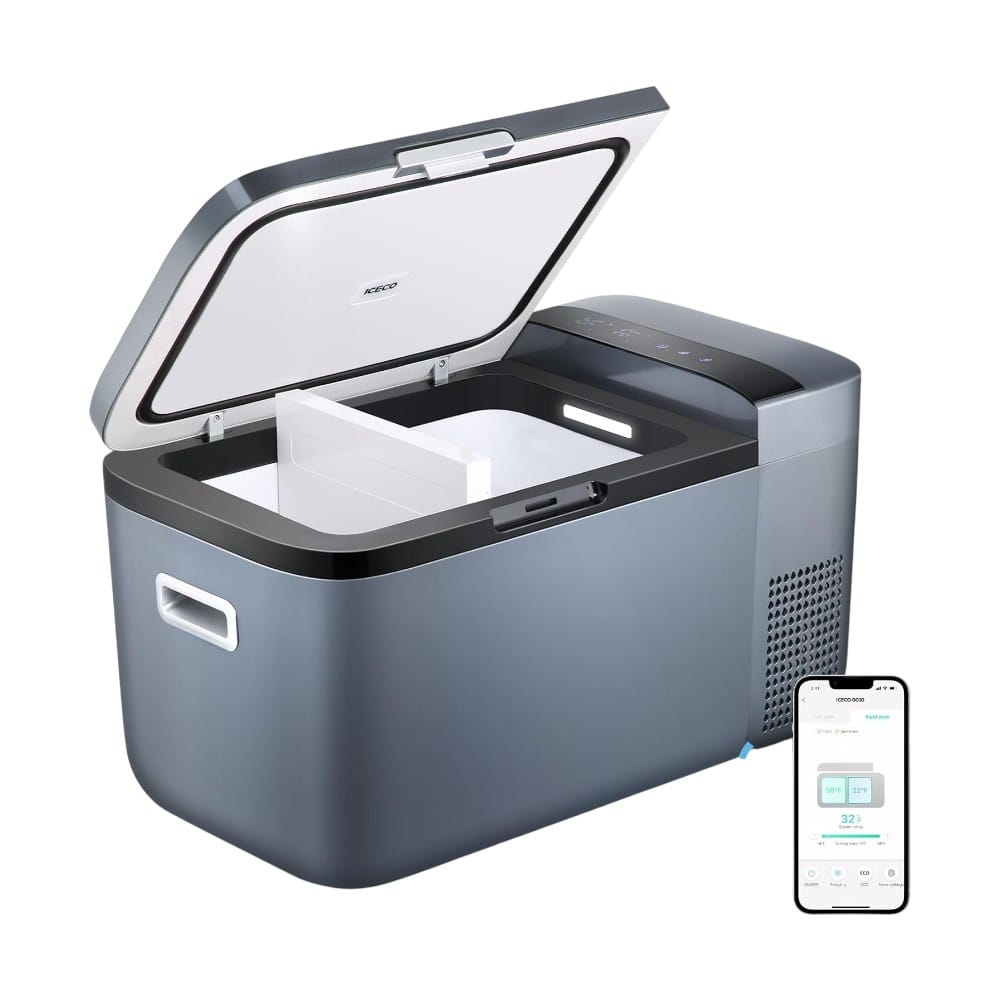
Dual-zone fridge and freezer for extended stays, smarter provisioning, and better food storage control.
Disclosure: As an Amazon Associate, we may earn from qualifying purchases.
Gear Comparison Guidance
The smartest way to compare these camp kitchen setups is to start with how you actually camp, not how you picture yourself camping on a perfect trip. If you move often, a compact system with fewer moving parts usually wins. A single-burner stove, a nesting cook set, and a manageable cooler can cover a lot of ground without turning setup into a production. If you stay longer, cook bigger meals, or feed more people, extra workspace and added burner capacity start paying for themselves.
Cold storage is another fork in the road. Coolers are simple and familiar, but they lead to ice management, water buildup, and reduced food space. Powered fridges cost more and require power planning, but they deliver steadier temperatures and more freedom on longer trips. The same goes for prep and cleanup gear. A tailgate can work in a pinch, but a dedicated table is easier on your back. A small wash basin may be enough for a weekend, while longer stays usually benefit from a fuller wash station.
The trap is overbuilding. Bigger is not always better. The right camp kitchen setup fits your storage space, cooking habits, and patience level at camp.
Quick Decision Guide
- If you mostly take short weekend trips, start with the minimalist setup and keep the gear list tight.
- If you cook for a family or group, a two-burner stove, griddle, and double-basin cleanup system make life easier fast.
- If you travel by RV and dislike lingering cooking smells indoors, move the heat outside and keep the fridge and pantry inside.
- If you run an overland rig or compact vehicle, prioritize nesting cookware, a foldable stove, and a fridge that fits your storage system.
- If you stay put for a week or longer, bigger cold storage and more burner space are worth the extra footprint.
- If cleanup is your least favorite part of camp cooking, keep the menu simpler and choose gear that reduces dish count.
Buying Considerations
- Trip length and how often you cook full meals
- Group size and how much burner space you really need
- Storage room in your RV, tow vehicle, SUV, truck bed, or overland drawer system
- Cooler versus 12V fridge needs
- Table stability and working height for prep comfort
- Cleanup setup, including whether one basin or two is more realistic
- Packed size, nesting ability, and how much loose gear you can tolerate
- Fuel needs, power needs, and how much complexity you want at camp
- Weather exposure and how your camp kitchen setup handles wind, heat, and rain
- Whether the system still makes sense after the first three days, not just the first dinner
Accessory Ideas
- Folding side table: Adds a little extra prep or serving space without the bulk of a full second table.
- Wind screen: Helps outdoor stove performance when campsites are exposed and gusty.
- Utensil roll or kitchen tote: Keeps the small stuff from rattling loose and disappearing into bins.
- Food prep bins: Useful for grouping dry goods, oils, spices, and pantry staples by meal type.
- Collapsible drying rack: Makes post-meal cleanup less chaotic when the wash station gets busy.
- Rechargeable camp light: Handy for evening cooking, especially around prep tables and cleanup zones.
Camp Kitchen Setups FAQs
What is the best camp kitchen setup for a weekend trip?
For a weekend trip, a simple camp kitchen setup usually works best. A single-burner stove, one versatile skillet, a small nesting cook set, a collapsible wash basin, and a mid-sized cooler cover most short-trip needs. The goal is to cook real meals without dragging along gear that only adds setup time and clutter.
Is a powered fridge better than a cooler for a camp kitchen setup?
It depends on trip length and power availability. A cooler works fine for short outings and costs less, but you lose space for ice and have to deal with meltwater. A powered fridge gives steadier temperatures and easier food organization, which becomes a bigger advantage on longer trips, remote travel, and extended camp stays.
How do I choose between a one-burner, two-burner, and three-burner camp stove?
Start with how many people you cook for and how complex your meals are. A one-burner stove works for simple weekend cooking. Two burners are more comfortable for couples or families making full meals. Three burners make sense for longer stays, larger menus, and cooks who do not want to juggle timing constantly.
What makes an RV camp kitchen setup different from a tent camping setup?
An RV camp kitchen setup can lean on built-in refrigeration and pantry space, which changes the whole flow. The smart move is often to keep storage inside and move heat, grease, and cleanup outside. That keeps the RV cooler, cleaner, and more pleasant, especially on extended trips or in warm weather.
What matters most in an overland or compact vehicle kitchen?
Space discipline. Gear has to pack tightly, stack well, and justify the room it takes up. A foldable stove, nesting cookware, and a properly sized fridge or cooler are usually more valuable than bulky specialty gear. In a tight rig, every awkward item feels twice as annoying after a few days.
Do I need a full prep table and wash station for longer stays?
Not everyone does, but longer stays tend to reward better structure. A stable prep surface makes cooking easier on your back and provides a proper work area for ingredients. A more defined wash setup also helps keep moisture, soap, and dirty dishes from taking over the rest of camp.

Other Resources
These articles are worth a look if you want more help sorting out stoves, refrigeration, RV kitchen planning, and practical outdoor cooking gear.
- The Ultimate Guide to Outdoor Cooking Equipment
- Mastering the Proper and Safe Use of a Camping Stove
- 12V Portable Refrigerators – All the Things You Need to Know
- RV Kitchen Essentials for Making Delicious Meals on Wheels
- Cooking in an RV: Mastering Meal Prep in a Small Kitchen
Keep Exploring Related Gear – Camp Kitchen Setups
If you want to branch out into other campsite gear systems, these related pages are the next logical stop.
- Camp Cooking Gear Essentials – Stoves & Camp Cookers – Recommended Gear & Resources (Chapter 1)
- Camp Cooking Gear Essentials – Portable Grills & BBQs – Recommended Gear & Resources (Chapter 2
- Camp Cooking Gear Essentials – Outdoor Cooking Equipment – Recommended Gear & Resources (Chapter 3)
- Camp Cooking Gear Essentials – Utensils, Tools, & Kitchen Gadgets – Recommended Gear & Resources (Chapter 5)
- Camp Cooking Gear Essentials – Coolers, Fridge Accessories and Food Storage – Recommended Gear & Resources (Chapter 7)
Closing Guidance
The right camp kitchen setup is the one that matches your real habits. That sounds obvious, but plenty of campers build a setup for the trip they imagine, rather than the one they actually take. Then they end up hauling extra gear, wasting storage space, and turning simple meals into more work than they should be. A short-trip cook does not need the same system as a family at basecamp or a full-timer parked for two weeks.
That is why this chapter works so well. It does not treat all camp kitchens as if they should look the same. It breaks the problem into practical use cases. A minimalist camp kitchen setup keeps things quick and tidy. A family basecamp layout makes room for volume and teamwork. An RV galley extension protects the interior while still taking advantage of onboard storage. An overland camp kitchen setup rewards discipline and compact design. A full-timer kitchen adds comfort, variety, and a workflow that can hold up over longer stretches.
There is always a trade-off somewhere. Smaller systems are easier to pack and faster to deploy, but they limit how much you can cook at once. Larger systems feel more capable, but they demand more room, more setup, and more discipline. Cold storage follows the same pattern. Coolers are simple. Fridges give you more control. Neither is magic. Each one makes sense in the right context. The right camp kitchen gear for the setup makes all the difference in how efficiently the kitchen can operate.
Start with the camp kitchen setup that fits your current trip style. Use it for a few meals. See where the friction shows up. Then fix that part instead of rebuilding the whole kitchen from scratch. Revisit the chapter when you want a closer look at the flow, layout logic, and the strengths and limitations of each camp kitchen setup.
Date Updated: 03/26


