


What You’ll Find on This Page
Outdoor cooking gets a lot easier when your gear works with you instead of against you. This page pulls together the key outdoor cooking equipment categories covered in this chapter and lays out practical options you can actually use at camp. You’ll see pots, pans, cook sets, mess kits, and Dutch ovens—each with a clear role depending on how you cook and where you’re set up.
If you’ve ever tried to boil water in a flimsy pot or cook eggs on a thin pan over a hot burner, you already know the difference good outdoor cooking equipment makes. Out here, heat isn’t even, wind gets involved, and your cooking surface might not be level. The outdoor cooking equipment you choose directly affects how smoothly meals come together.
Use this page as a quick-reference companion. The chapter explains how each type of cookware behaves and why it matters. Here, you can scan categories, compare options, and jump straight to outdoor cooking equipment that fits your style—whether you’re running a compact RV kitchen, cooking off a tailgate, or setting up beside a fire ring.
You’ll also find a comparison table, buying checklist, and a few quick decision scenarios. That helps when you’re trying to narrow things down without overthinking it. The goal is simple: build a setup that works every time you cook, not just when conditions are perfect.
EXPERT TIP:
Thin cookware heats fast but punishes mistakes. If you’re cooking on a high-output camp stove, step up to thicker pots or pans to avoid hot spots and burnt food.
Quick Gear Summary
- Pots and saucepans for boiling, simmering, and one-pot meals
- Frying pans and skillets for searing, browning, and breakfast cooking
- Cook sets and nesting pots for space-saving and versatility
- Mess kits for simple, minimal cooking setups
- Dutch ovens for slow cooking, baking, and group meals
Product Recommendations by Category
The outdoor cooking equipment below represent commonly recommended options within the categories discussed in this chapter.
Pots and Saucepans
These are your workhorses for camp cooking. Ideal for boiling water, cooking grains, and handling most one-pot meals without fuss.
GSI Outdoors Halulite Boiler Pot
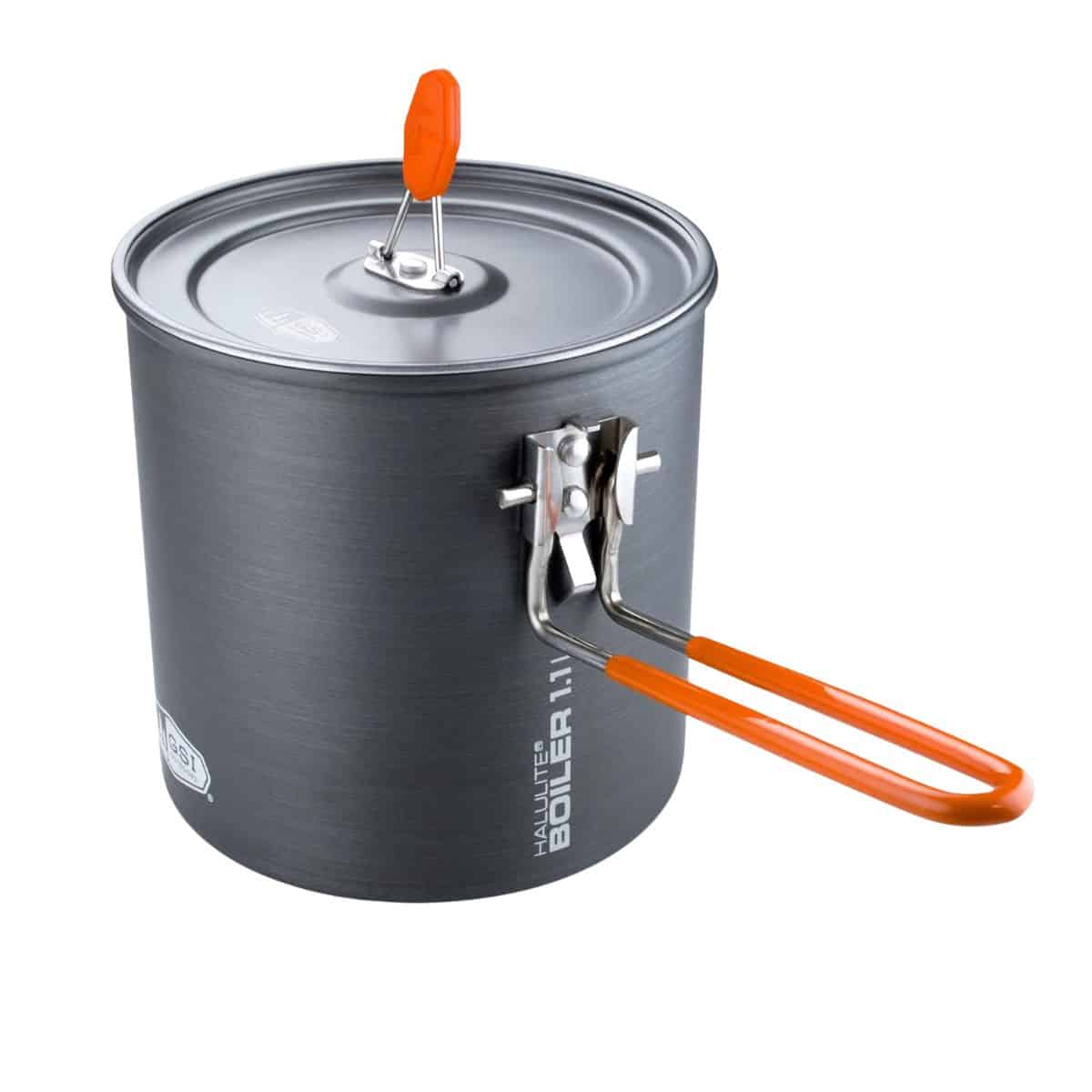
Lightweight and compact for easy transporting
MSR Alpine Stainless Steel Pot Set
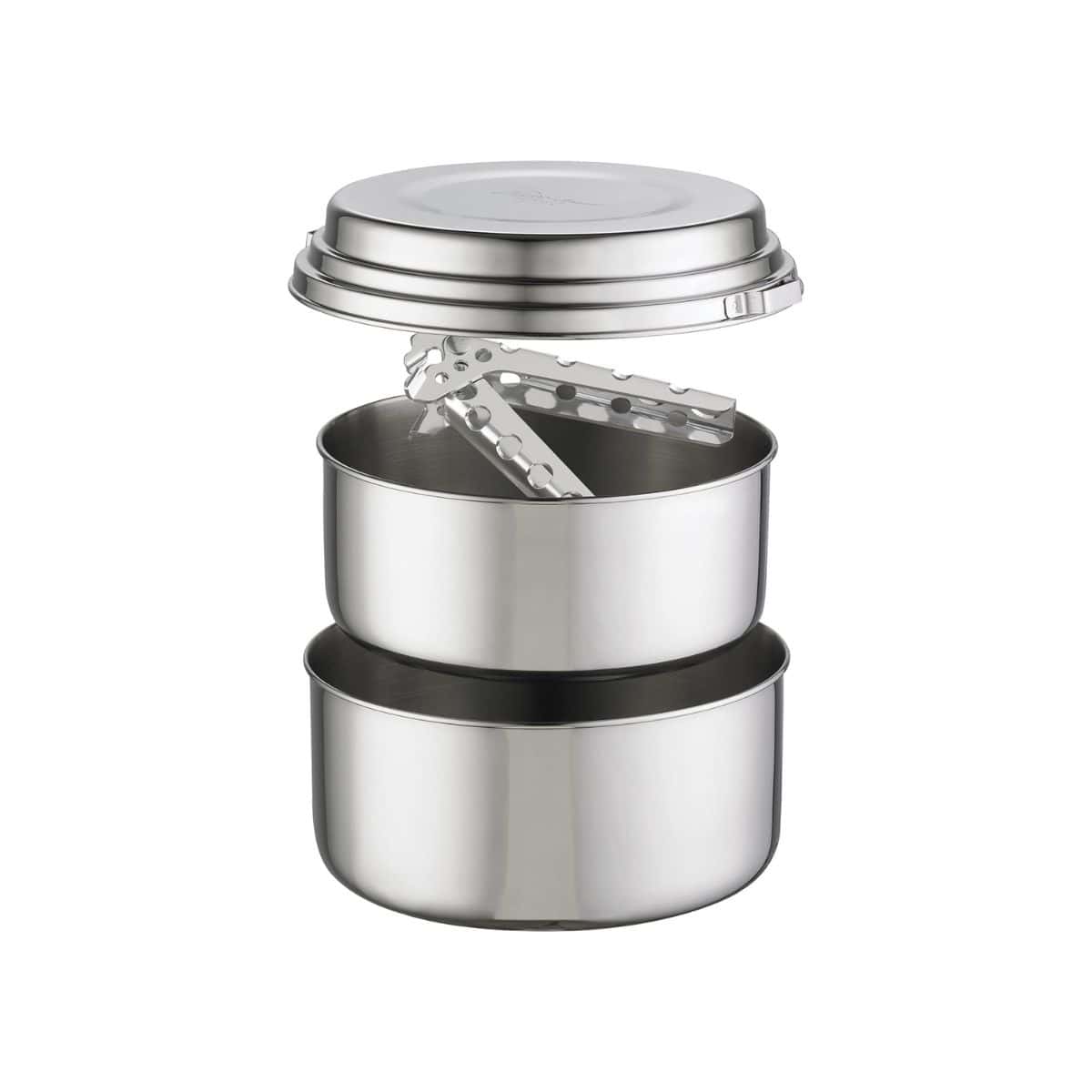
Efficient nesting design is compact and saves valuable space in your pack
Frying Pans and Skillets
Best for meals where heat control matters. Think eggs, pancakes, or anything that needs a proper sear.
GSI Outdoors Bugaboo Fry Pan
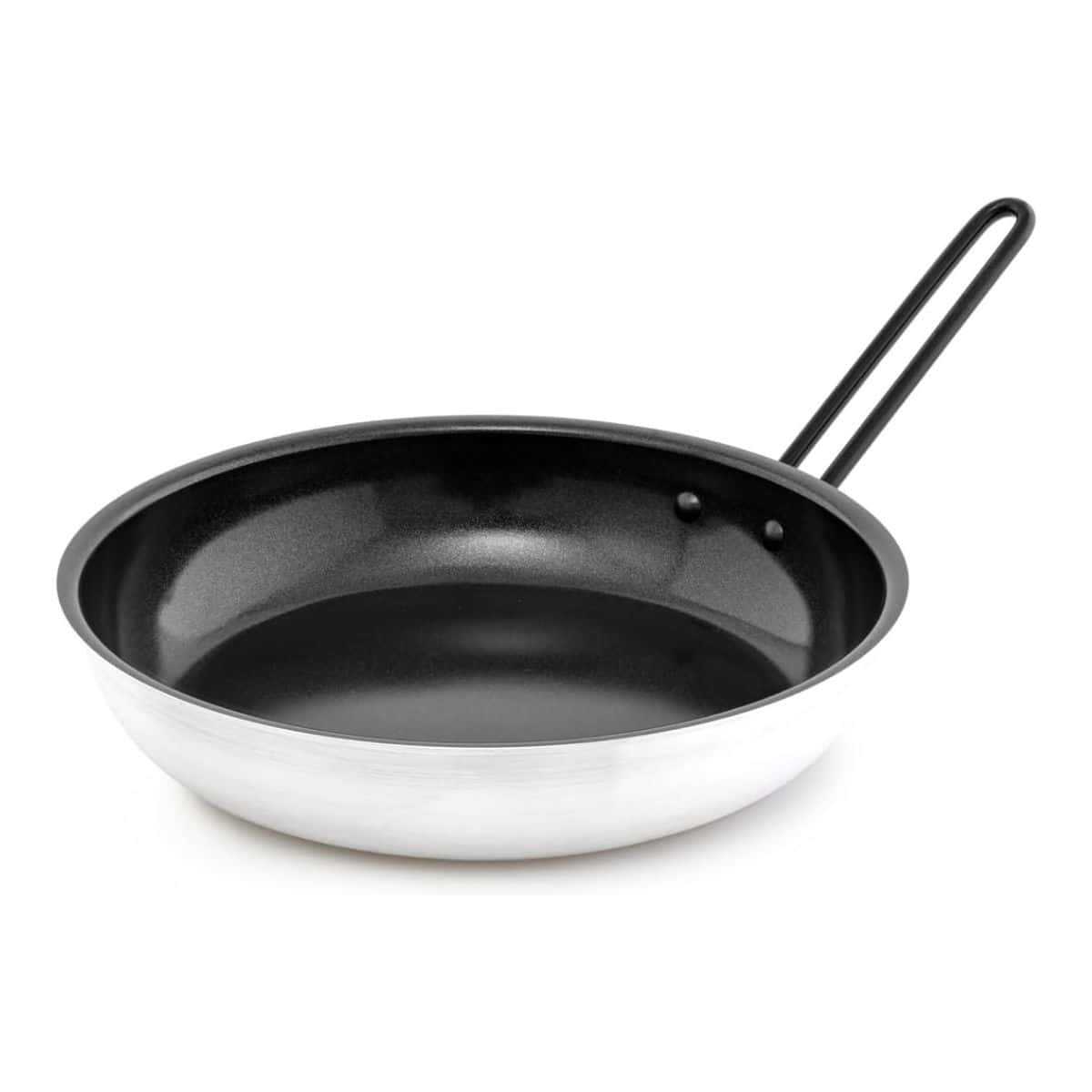
Constructed from thick gauge aluminum for rugged durability
Lodge Cast Iron Skillet (10.25-inch)
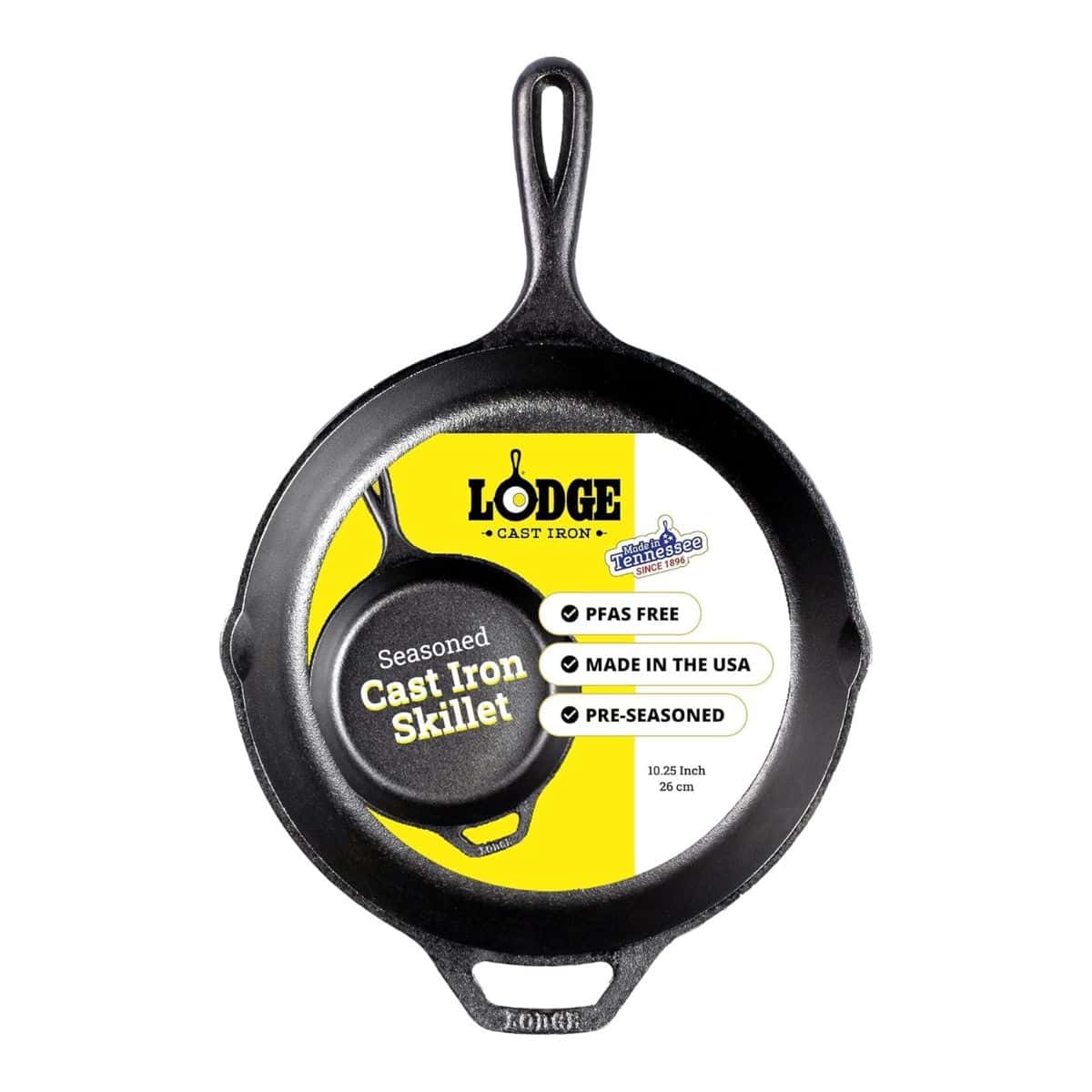
This cast iron frying pan is crafted for durability and multipurpose use
Cook Sets and Nesting Pots
Great for saving space while covering multiple cooking needs. Ideal for RVs or organized camp kitchens.
Stanley Adventure Base Camp Cook Set

Everything you need to whip up a hearty meal
GSI Pinnacle Camper Cookset
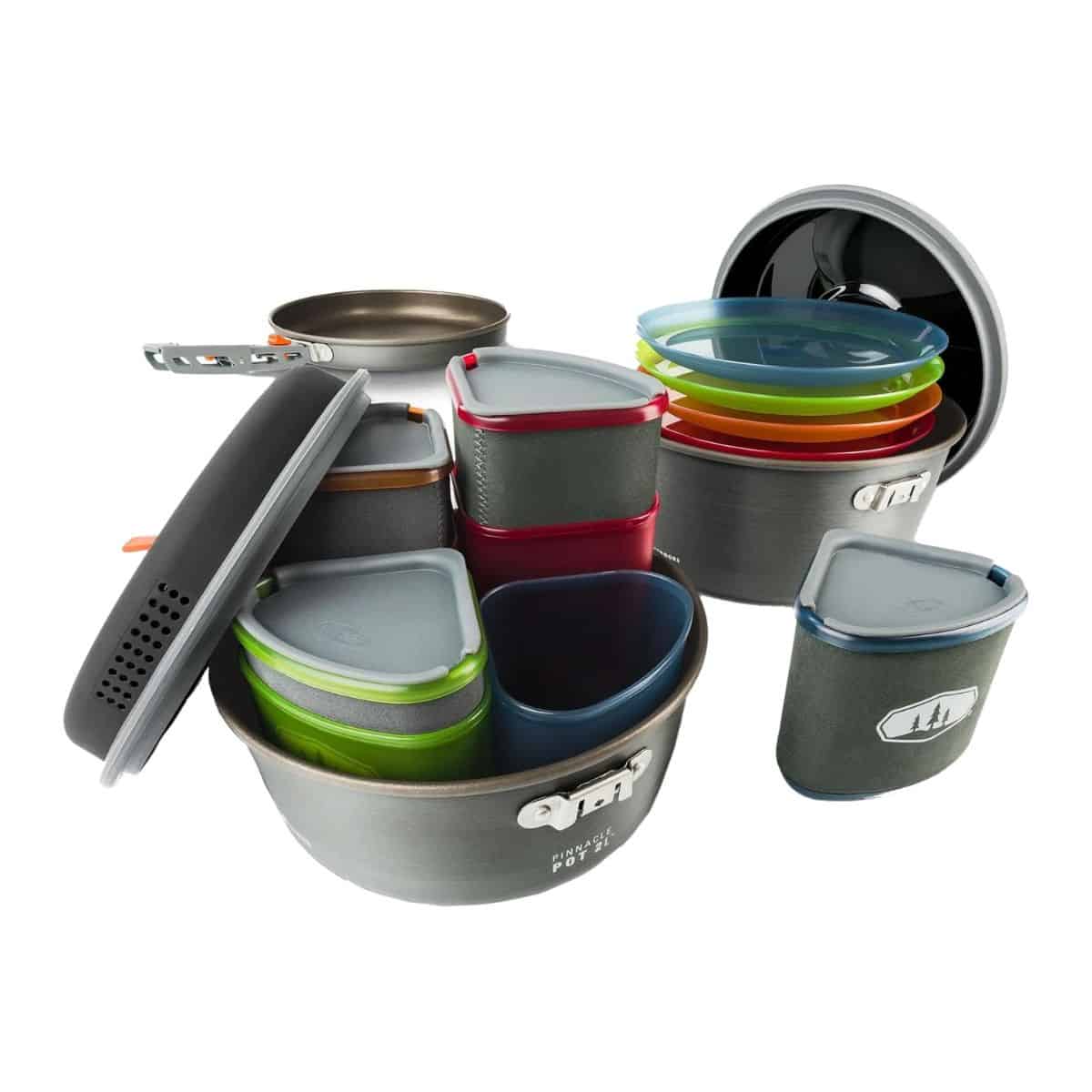
Hard-anodized aluminum pots and frypan
Mess Kits
Simple, compact solutions for solo campers or quick meals with minimal cleanup.
UCO Mess Kit with Camping Utensils
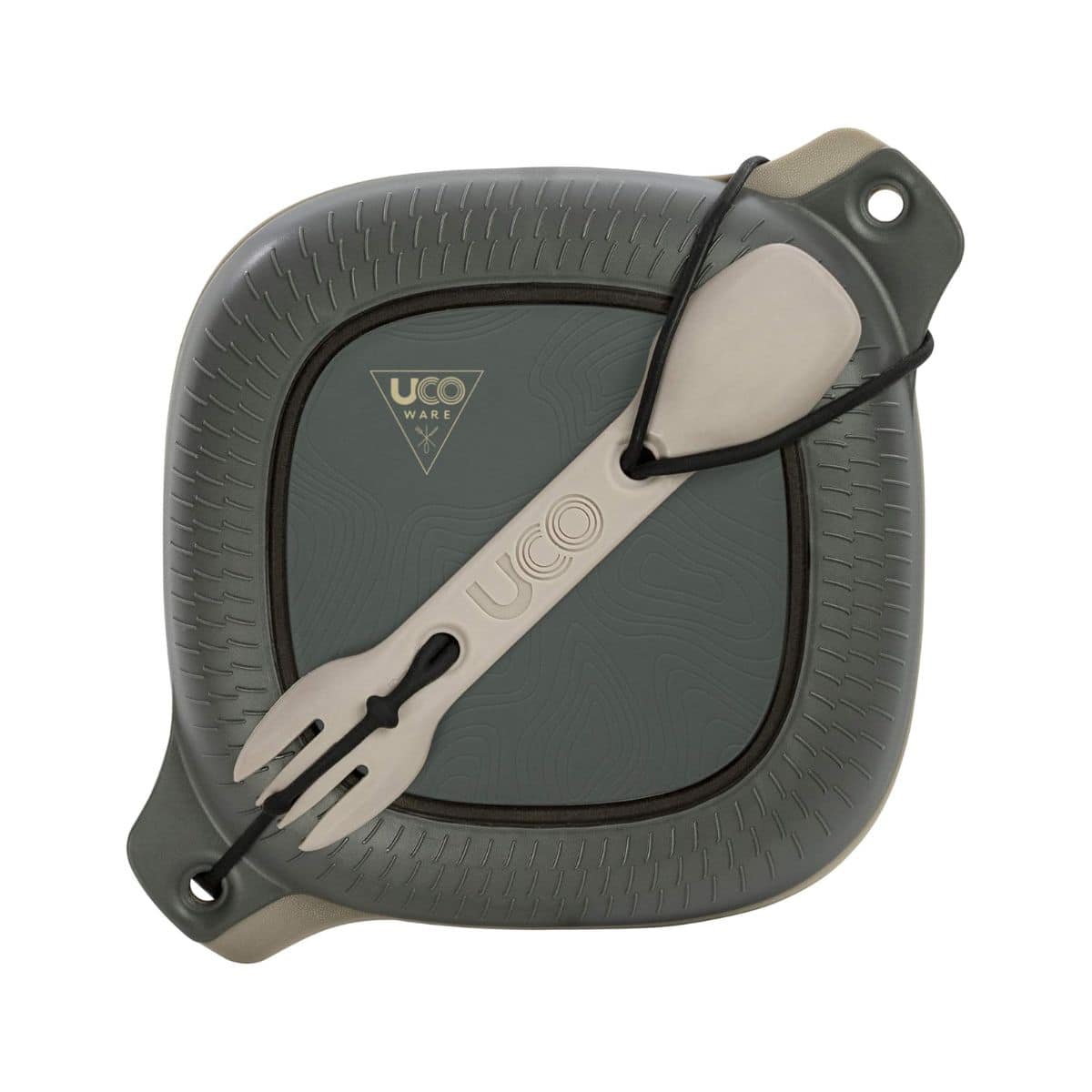
Feature specialized rubberized bottoms that grip the tabletop
Dutch Oven
Built for slow cooking and larger meals. Perfect when you want to cook over coals or a steady fire.
Lodge Cast Iron Camp Dutch Oven
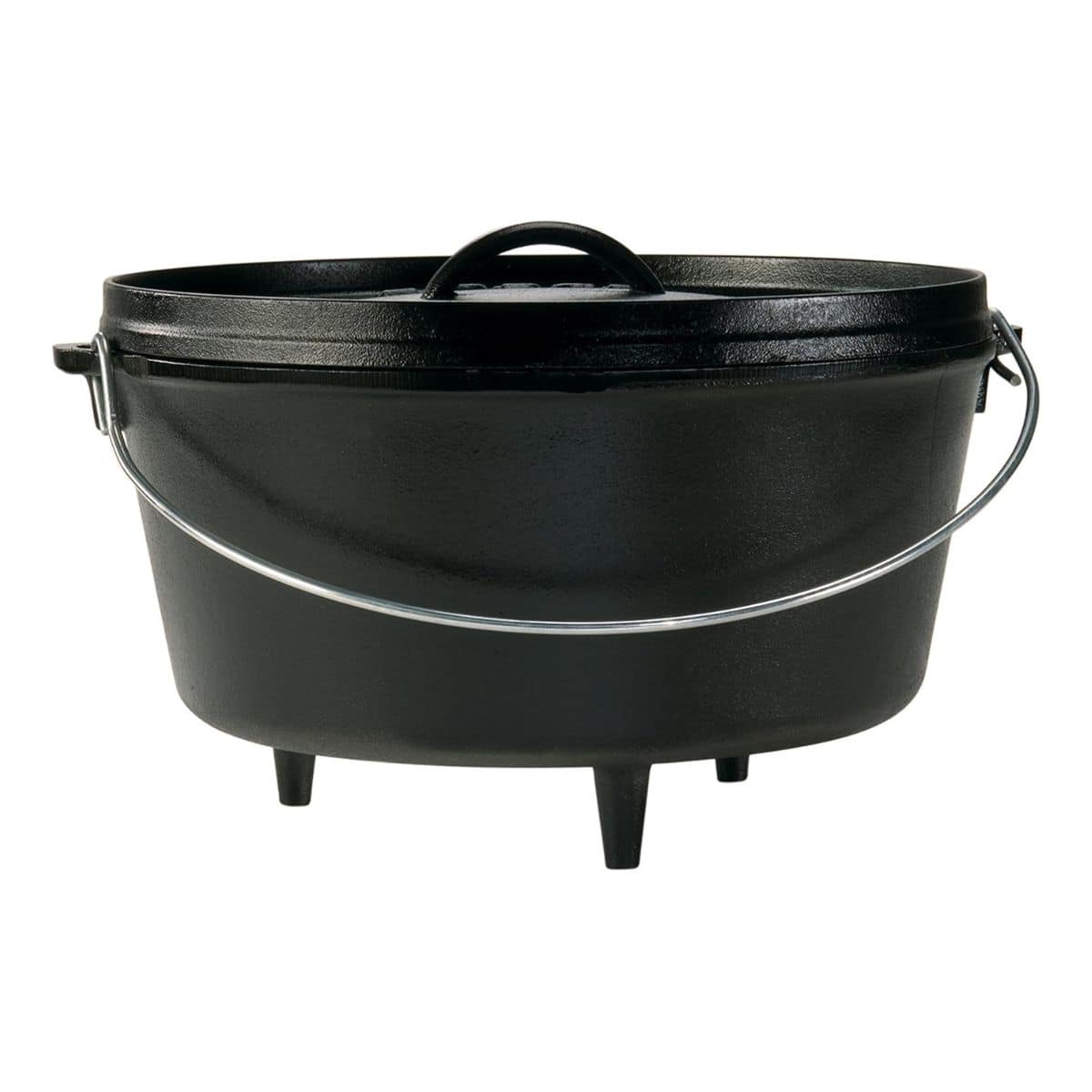
This versatile cookware features a lid that effortlessly transforms into a griddle
Disclosure: As an Amazon Associate, we may earn from qualifying purchases.
Product Comparison Chart
| Product | Material | Weight | Best Use |
|---|---|---|---|
| GSI Halulite Boiler Pot | Anodized Aluminum | Lightweight | Boiling, simple meals |
| MSR Alpine Pot Set | Stainless Steel | Medium | Durable multi-use |
| GSI Bugaboo Fry Pan | Aluminum Nonstick | Lightweight | Quick meals |
| Lodge Cast Iron Skillet | Cast Iron | Heavy | Searing, fire cooking |
| Stanley Cook Set | Mixed | Medium | Group cooking |
| GSI Pinnacle Cookset | Nonstick Aluminum | Medium | Compact versatility |
| UCO Mess Kit | Plastic/Aluminum | Very Light | Minimal cooking |
| Lodge Dutch Oven | Cast Iron | Heavy | Slow cooking |
Outdoor Cooking Equipment Comparison Guidance
Choosing cookware comes down to how you actually cook at camp. Lightweight gear packs easily and heats fast, but it’s less forgiving if you’re not watching closely. Heavier options like cast iron take more effort to carry and store, but they smooth out temperature swings and handle rough use.
If you’re moving often, compact nesting sets and lighter pots make life easier. If you’re staying put for a few days, heavier cookware starts to make more sense.
Setup speed also matters. A simple mess kit or single pot setup gets you cooking quickly. Larger systems take longer to organize but give you more flexibility. Think about how much time you want to spend cooking versus relaxing once you arrive.
Quick Decision Guide
- If you cook quick meals and move often, stick with lightweight pots and a nonstick pan.
- If you like cooking over a fire, a cast iron skillet or Dutch oven is worth the weight.
- If space is tight in your RV, nesting cook sets keep everything contained.
- If cooking is secondary to your trip, a mess kit keeps things simple.
- If you’re feeding a group, choose larger pots and multi-piece cook sets.
Buying Considerations
- Weight and packability for your travel style
- Stability on uneven cooking surfaces
- Heat distribution and thickness of cookware
- Storage space available in your RV or vehicle
- Durability under repeated outdoor use
- Compatibility with your heat source (stove, grill, fire)
Accessory Ideas
- Heat-resistant gloves for handling hot cookware
- Wind guards to stabilize stove performance
- Collapsible wash bins for easier cleanup
- Utensil kits to keep cooking tools organized
- Pot grippers for compact cookware setups
Outdoor Cooking Equipment FAQs
What cookware is best for camping?
It depends on your setup. Lightweight aluminum works well for boiling and simple meals, while cast iron handles high heat and fire cooking better. Many campers use a mix of both to cover different cooking needs.
Is cast iron worth bringing camping?
Yes, if you don’t mind the weight. It performs well over fire and uneven heat, making it reliable for a wide range of meals. For short trips or minimal setups, it may feel like overkill.
Can you use nonstick pans on a campfire?
It’s not recommended. Direct flames and high heat can damage the coating quickly. Nonstick works best on controlled heat sources like camp stoves.
Do I need a full cook set?
Not always. Many campers rely on just a pot and a pan. Cook sets are helpful when space is tight or when you want a more organized system.
How do you clean cookware while camping?
Clean it while it’s still warm. Food comes off easier and uses less water. Avoid harsh scrubbing on nonstick surfaces and dry cast iron thoroughly to prevent rust
Other Resources
Here are some articles and other resource pages related to this chapter for additional information:
- The Ultimate Guide to Outdoor Cooking Equipment
- Campfire Cooking Equipment 101: Best Guide For Camp Cooking
- Simplifying Campfire Cooking Kits: 5 Easy Tips And Tricks
- Camp Chef Pellet Grills & Other Best Camping Grills For 2025
- Learn how to make perfect Campfire Mac and Cheese: A step-by-step guide
Keep Exploring Outdoor Cooking Equipment
- Tables, Prep Surfaces, and Folding Furniture – Recommended Gear & Resources (Chapter 2)
- Lighting That Actually Lets You See – Recommended Gear & Resources (Chapter 3)
- Sleeping Gear: Bags, Pads, Mattresses, and Pillows – Recommended Gear & Resources (Chapter 4)
- Shade, Tarps, and Portable Shelter – Recommended Gear & Resources (Chapter 5)
- Storage and Organization Helpers – Recommended Gear & Resources (Chapter 7)
Closing Guidance
Camp cooking gets better when your outdoor cooking equipment matches how you actually use it. You don’t need a full kitchen setup—you need a few pieces that work reliably every time you cook. That’s the difference between a smooth dinner and one that turns into a juggling act.
Start with the basics. A solid pot and a dependable pan will handle most meals. From there, add pieces that support how you cook. If you like slow meals and cooking over coals, bring the Dutch oven. If you keep things simple, a compact kit might be all you need.
It’s also worth paying attention to how your outdoor cooking equipment behaves with your heat source. Some cookware thrives on a steady stove. Other pieces shine over open flame. Matching those two makes a bigger difference than adding more outdoor cooking equipment.
As your trips evolve, your setup will too. The key is building around what you actually use—not what looks good in a gear list. Go back through the chapter if you want a deeper breakdown of how each type performs in real conditions. That’s where the small details start to matter.
Date Updated: 03/26





