



What You’ll Find on This Page
A camp stove does more than boil water. It sets the pace for the whole camp kitchen.
This page pulls together the key camp stove types, product picks, and practical decision points that support Chapter 1 of Camp Cooking Gear Essentials. If you read the chapter first, this page gives you a faster way to review the main stove categories and compare the products mentioned there. If you land here first, it gives you a solid starting point before you go back to the book for the full discussion.
The gear on this page centers on the camp stove styles most campers actually use: compact single-burner stoves, dual-burner camp stoves, and lightweight backpacking models. You’ll also see where fuel choice starts to matter. Propane usually makes the most sense for RV camping and longer stays at campgrounds. Butane works well for short, simple cooking sessions. Canister backpacking stoves earn their place when pack weight and small size matter more than cooking flexibility.
This page is also built for real campsite decisions. Some campers need a camp stove that can handle breakfast for a family without turning meal prep into a juggling act. Others want a simple burner for coffee, soup, or quick one-pan meals. And if you move light and fast, a pocket-sized stove that boils water quickly may be the better tool.
Use this page as the chapter’s practical sidekick. Review the categories, compare the product options, and narrow down what actually fits your travel style. Then go back to the book when you want the deeper explanation on fuel behavior, outdoor performance, and the trade-offs that matter once the wind picks up and dinner still needs to happen.
EXPERT TIP:
Wind causes more camp stove frustration than most campers expect. Even a good stove can feel weak in a bad spot, so set up behind a natural windbreak or use the stove’s built-in side shields before blaming the burner.
Quick Gear Summary
- Single-burner stoves for solo campers, quick meals, and compact packing
- Dual-burner camp stoves for campground cooking, family meals, and better multitasking
- Backpacking stoves for boiling water fast with minimal weight
- Propane setups for steadier cold-weather performance and easier flame control
- Butane and canister-fuel options for lighter, shorter cooking sessions
Product Recommendations by Category
The products below represent commonly recommended options within the categories discussed in this chapter.
Single-Burner Stoves
Single-burner stoves suit campers who want a small, simple cooking setup without hauling a full camp kitchen. They work well for roadside lunches, backup cooking, solo camping, and quick meals that use one pot or pan.
Coleman Single Burner Butane Stove
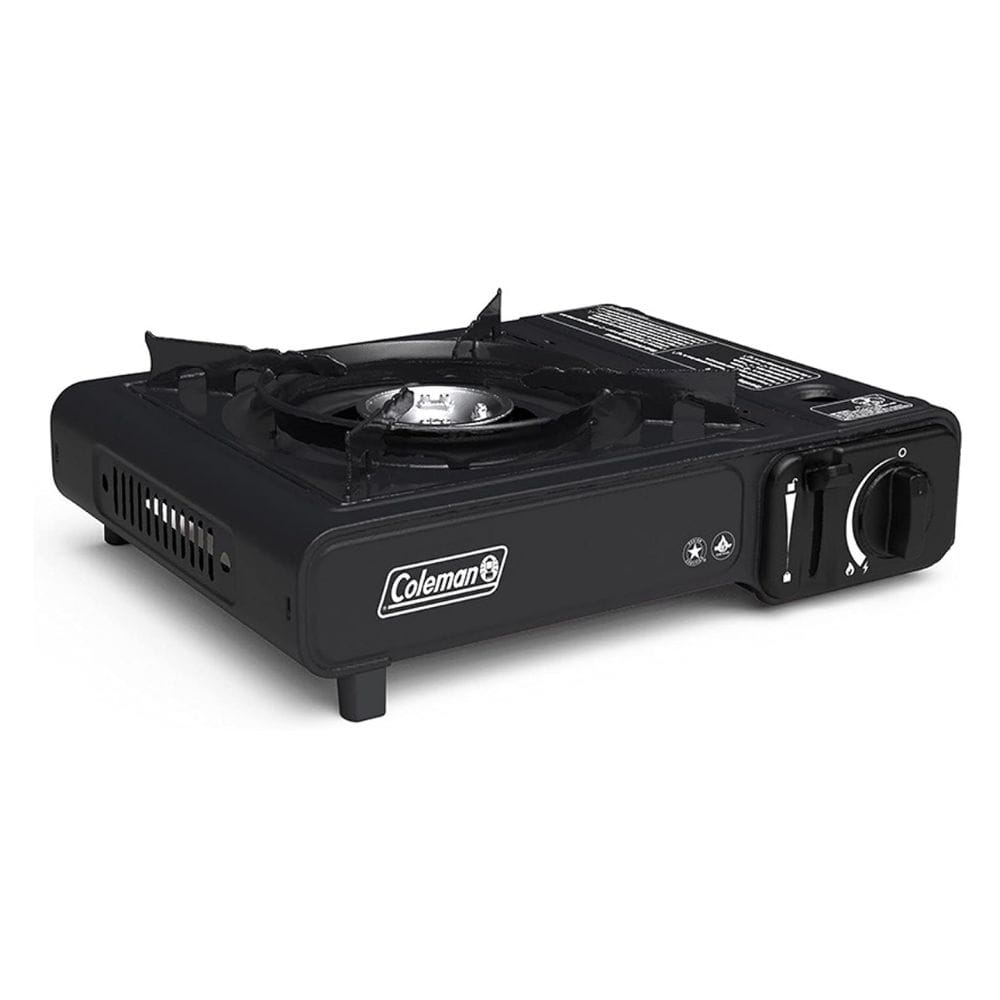
Compact burner for quick campsite meals, roadside stops, and backup outdoor cooking in mild weather.
Gas One Dual Fuel Portable Stove
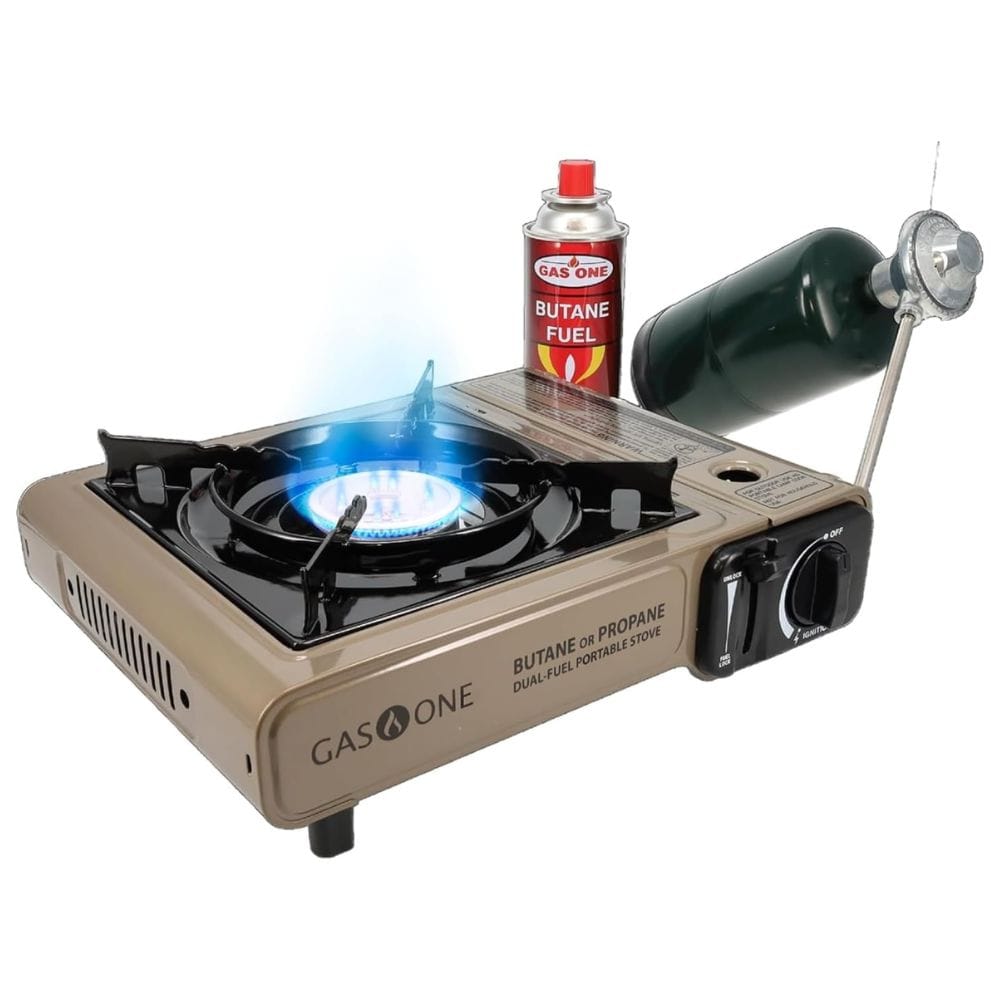
Useful for flexible camp cooking when propane or butane availability may change from trip to trip.
Dual-Burner Stoves
Dual-burner stoves make the most sense for RV campers, family campers, and anyone who cooks more than the bare minimum outdoors. They give you enough room to boil, simmer, fry, and keep meals moving without waiting for one burner to free up.
Coleman Classic 2-Burner Propane Stove
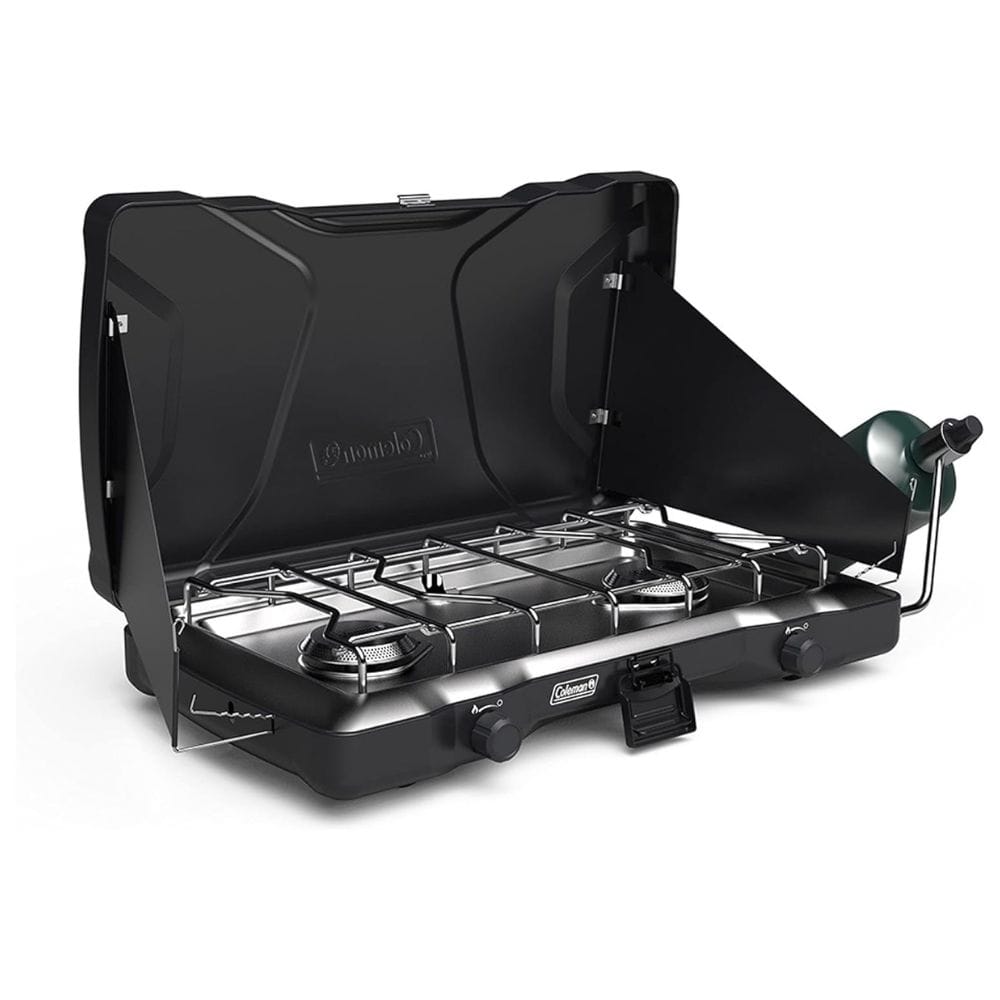
Solid choice for campground breakfasts, simple dinners, and routine outdoor cooking with two pans.
Camp Chef Everest 2X High-Output Stove
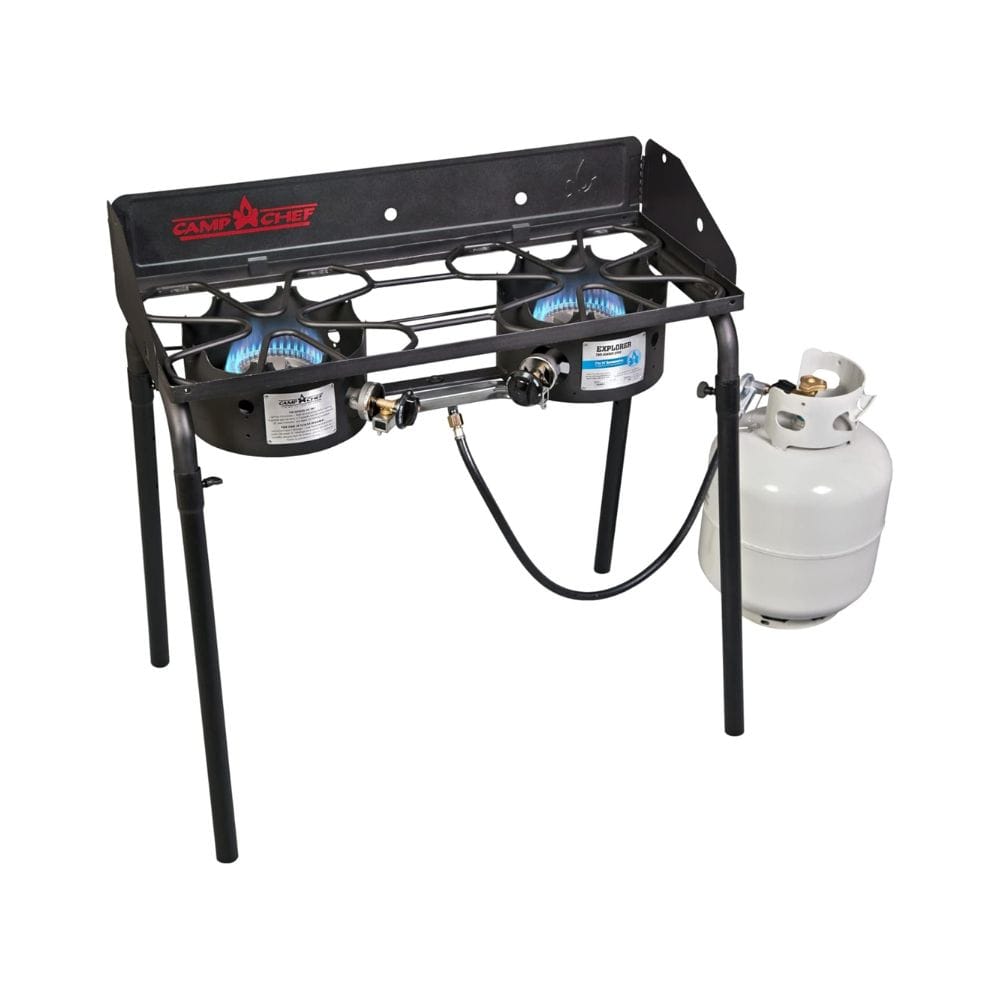
Great for heavier pans, bigger meals, and campers who want faster boil times outdoors.
Backpacking Stove
Backpacking stoves suit hikers, minimalist travelers, and campers who prioritize pack size over cooking capacity. They shine when the job is simple: boil water fast, heat a small meal, and move on.
MSR PocketRocket 2 Backpacking Stove
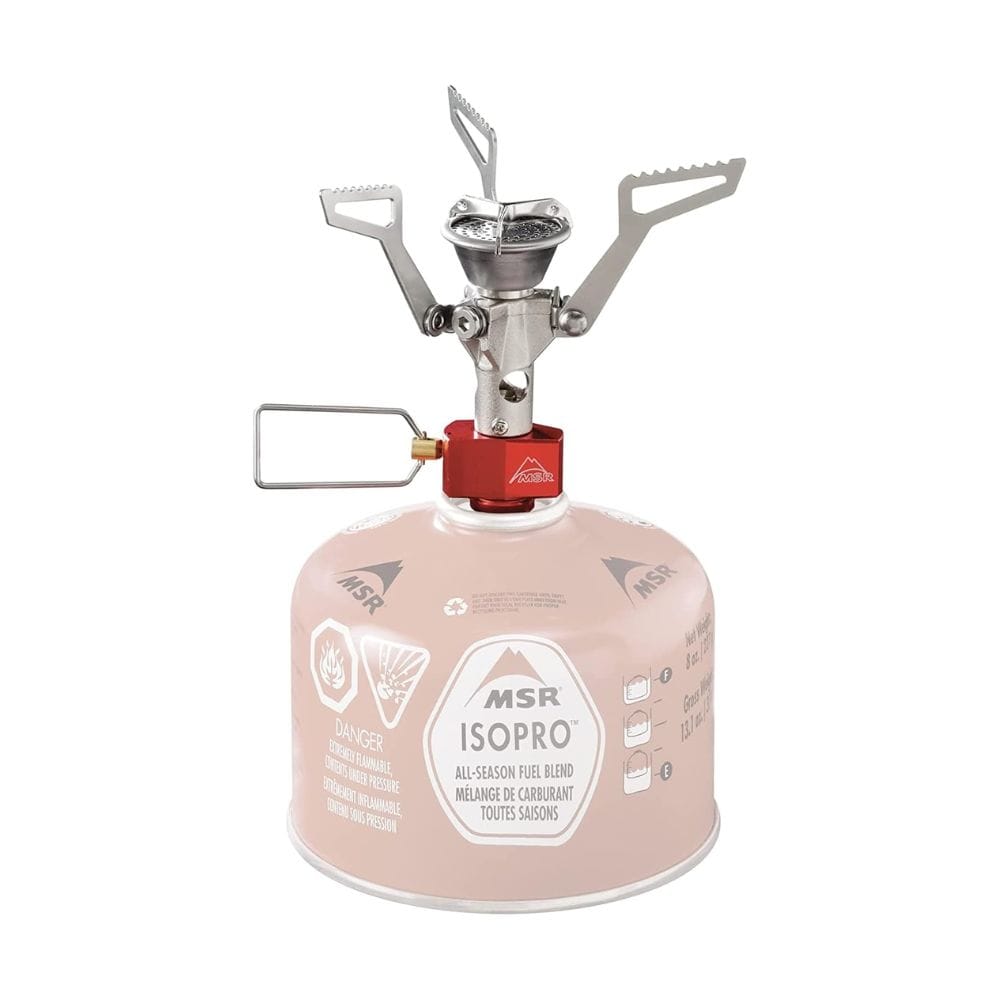
Best for boiling water quickly when low pack weight matters more than full meal flexibility.
Camp Stove Product Comparison Chart
| Product | Stove Category | Fuel Type | Best Fit | Main Strength |
|---|---|---|---|---|
| Coleman Classic 2-Burner Propane Stove | Dual-burner stove | Propane | RV camping, family trips, extended stays | Dependable ignition, steady flame control, strong everyday versatility |
| Camp Chef Everest 2X High-Output Stove | Dual-burner stove | Propane | Campers who cook often and use heavier cookware | Strong heat output with good control |
| Coleman Single Burner Butane Stove | Single-burner stove | Butane | Quick trips, solo campers, backup cooking | Compact size and easy storage |
| MSR PocketRocket 2 Backpacking Stove | Backpacking stove | Canister fuel | Hikers, minimalist travel, fast boil use | Very light and efficient for boiling water |
| Gas One Dual Fuel Portable Stove | Single-burner portable stove | Propane or butane | Mixed travel styles, backup use, emergency prep | Fuel flexibility |
Gear Comparison Guidance
Camp stoves get easier to choose once you stop looking for one model that does everything.
If you mostly camp from an RV, truck, or car, a dual-burner stove usually gives the best balance of usefulness and comfort. You can run two pans, manage a real meal, and avoid the stop-and-start rhythm of cooking everything in turns. The downside is bulk. These stoves take up more space and make less sense for short solo trips.
Single-burner camp stoves lean the other way. They’re easier to store, quicker to set up, and fine for basic meals. That makes them a smart fit for solo travel, overnight stops, and backup cooking. The trade-off is obvious once you need more than one pot.
Backpacking stoves win on size and weight. They disappear into a pack and quickly boil water. But they don’t offer the same stability, pan support, or cooking control as a larger camp stove.
Fuel matters too. Propane is generally easier to use in campgrounds and RVs, especially when temperatures drop. Lighter canisters and butane systems save space, but they ask more from the user when weather or cooking demands get less forgiving.
Quick Decision Guide
- If you cook full breakfasts or family dinners outside, a dual-burner stove will save time and frustration.
- If you mainly heat water, soup, or one-pan meals, a single-burner stove is often enough.
- If you need the lightest setup possible, go with a backpacking stove and plan meals around boiling water.
- If you want a portable stove that offers fuel flexibility, a dual-fuel model makes sense.
- If you use cast iron or cook bigger portions, pick a sturdier dual-burner stove with stronger output.
Buying Considerations
- Burner count and whether you need to cook one dish or several at once
- Fuel type and how easy that fuel is to store, carry, and replace on trips
- Flame control for simmering, not just blasting heat for fast boils
- Wind protection and how well the stove performs in exposed campsites
- Packed size and whether it fits your RV compartment, truck box, or camping bin
- Stove stability on picnic tables, camp kitchens, and uneven outdoor surfaces
- Cookware compatibility, especially if you use larger pots or cast-iron pans
- Ease of cleaning after spills, grease splatter, and repeated outdoor use
Accessory Ideas
- Compact fuel canister case or tote: Keeps fuel organized and easier to transport with the rest of the kitchen gear.
- Stove windscreen: Helps protect the flame and reduce wasted fuel in breezy campsites.
- Propane adapter hose: Useful for connecting a camp stove to a larger propane cylinder.
- Lighter or ferro ignition backup: A smart backup in case the built-in ignition fails at camp.
- Camp kitchen stand: Provides a steadier cooking surface than an uneven picnic table.
- Heat-resistant glove: Safer for moving hot cookware and adjusting gear around active burners.
Camp Stoves FAQs
What type of camp stove is best for RV camping?
For most RV campers, a dual-burner propane stove is the easiest fit. It gives you enough cooking space for real meals, works well in campground conditions, and uses a fuel type that is widely available and easy to manage. It also keeps heat and mess outside the RV, which matters more than many people expect.
Are butane camp stoves good for camping?
Yes, but they work best for short trips, mild weather, and simple meals. A butane stove is easy to carry and use, making it handy for quick cooking. The main drawback is weaker performance in colder temperatures, where fuel pressure can drop, and cooking becomes slower.
Is a backpacking stove enough for regular campsite cooking?
Usually not, unless your meals are very simple. Backpacking stoves are excellent for boiling water and heating small one-pot meals, but they are not ideal for larger pans, multi-step meals, or cooking for a group. They work best as a specialized tool rather than a full replacement for a camp stove.
How many burners do I really need on a camp stove?
That depends on how you cook. One burner is enough for solo meals, basic reheating, and short trips. Two burners make a big difference when you want coffee and breakfast at the same time, or when you need to cook for more than one person without waiting between steps.
Does higher BTU always mean a better camp stove?
No. More heat can help with boil times and larger cookware, but control matters just as much. A stove that only blasts high heat can be annoying for real cooking because it is harder to simmer, manage delicate foods, or avoid burning meals. Good flame control is often more valuable than raw output.
Can I use a camp stove inside an RV or a tent?
A camp stove should be treated as outdoor cooking equipment unless the manufacturer clearly states otherwise. Using one inside an RV, tent, or enclosed shelter can create serious fire and ventilation hazards. Even when the weather is lousy, it is safer to cook outside, provided there is good airflow and a stable surface.
Other Resources
Here are some articles and other resource pages related to this chapter for additional information:
- How To Properly Operate Your RV Propane Stove
- Mastering the Proper and Safe Use of a Camping Stove: Step-by-Step Guidance
- Outdoor Cooking Equipment for Beginners – Camping Guide
- Best RV Cooking Tips In Your Kitchen For Life On The Road
- Learn how to make perfect Campfire Mac and Cheese: A step-by-step guide
- 10 Great Grilling Essentials for Outdoor Cooking
- 10 Best Tips For Cooking In An RV Kitchen
Keep Exploring Camp Cooking Gear
- Camp Comfort Gear Essentials – Tables, Prep Surfaces, and Folding Furniture – Recommended Gear & Resources (Chapter 2)
- Camp Comfort Gear Essentials – Lighting That Actually Lets You See – Recommended Gear & Resources (Chapter 3)
- Camp Comfort Gear Essentials – Sleeping Gear: Bags, Pads, Mattresses, and Pillows – Recommended Gear & Resources (Chapter 4)
- Camp Comfort Gear Essentials – Shade, Tarps, and Portable Shelter – Recommended Gear & Resources (Chapter 5)
- Camp Comfort Gear Essentials – Storage and Organization Helpers – Recommended Gear & Resources (Chapter 7)
Closing Guidance
The best camping stoves are rarely the ones with the fanciest spec sheet. It’s the one that fits the way you actually travel and cook.
If your trips revolve around campground breakfasts, skillet dinners, and cooking for more than one person, a dual-burner stove is usually the smart call. It takes up more space, but it makes camp cooking feel less cramped and slower. If your meals are simpler, or storage is tight, a single-burner stove may be all you need. That kind of setup can be a lot more practical than hauling extra bulk just because it looks more capable online.
Backpacking stoves belong in a different lane. They are excellent at what they do, but it is narrow. They boil water fast, pack small, and reward a light-travel mindset. They are not built to replace a full campsite cooking station.
Fuel choice matters too. Propane remains the easiest match for many RV and campground campers because it offers steady performance and familiar handling. Smaller canisters and butane systems save space, but they require a little more compromise when conditions get colder or meals get more involved.
The main lesson from this chapter is simple: match the stove to the trip. Think about how often you cook, how much room you have, what the weather is expected to be, and whether you want speed, control, or portability most. Then revisit the chapter for the deeper side-by-side discussion before you buy. A good stove won’t make camp cooking magical, but it will keep it from becoming a headache.
Date Updated: 03/26


