


What You’ll Find on This Page
Coolers and food storage gear can make or break a camping trip. When it works, meals are simple, ingredients stay fresh, and you spend more time relaxing. When it doesn’t, everything turns into guesswork—especially with meat, dairy, and leftovers.
This page brings together the key gear used to build a reliable cold storage setup at camp or in an RV. You’ll find a mix of coolers, portable fridge options, food containers, dry bags, and fridge organizers. Each plays a different role, and understanding how they work together is what keeps your system running smoothly.
You’ll also see how different coolers and food storage gear types fit different trips. A rotomolded cooler behaves very differently from a soft cooler. A powered fridge solves one set of problems but creates others. Containers and organizers might seem minor, but they often make the biggest day-to-day difference once you’re set up.
Think of this as your quick-reference system builder. Use it to compare options, narrow down what fits your camping style, and spot gaps in your current setup. Maybe you already have a good cooler, but struggle with organization. Or maybe you’re tired of dealing with ice altogether.
Pair this page with the chapter to go deeper on setup strategies, packing methods, and real-world use. The gear matters—but how you use it is what keeps your food cold and your trip running smoothly.
CAMP TIP:
Treat your main cooler like a vault, not a snack drawer. Every extra opening costs you cold air and ice life. Keep drinks and quick-grab items in a separate cooler to protect your main food supply.
Quick Gear Summary
- Hard coolers (rotomolded and standard) for multi-day cold retention
- Soft coolers for day trips and quick access
- Electric coolers/portable fridges for ice-free convenience
- Food storage containers for organization and leak prevention
- Dry bags for protecting dry goods from moisture and odors
- Fridge bins to improve RV refrigerator efficiency
Product Recommendations by Category
The products below represent commonly recommended options within the categories discussed in this chapter.
Hard Cooler (Rotomolded): Multi-Day Cold Holding
Built for longer trips where ice retention matters. These are best used as your primary food storage cooler, especially in warm conditions.
YETI Tundra 45 Hard Cooler
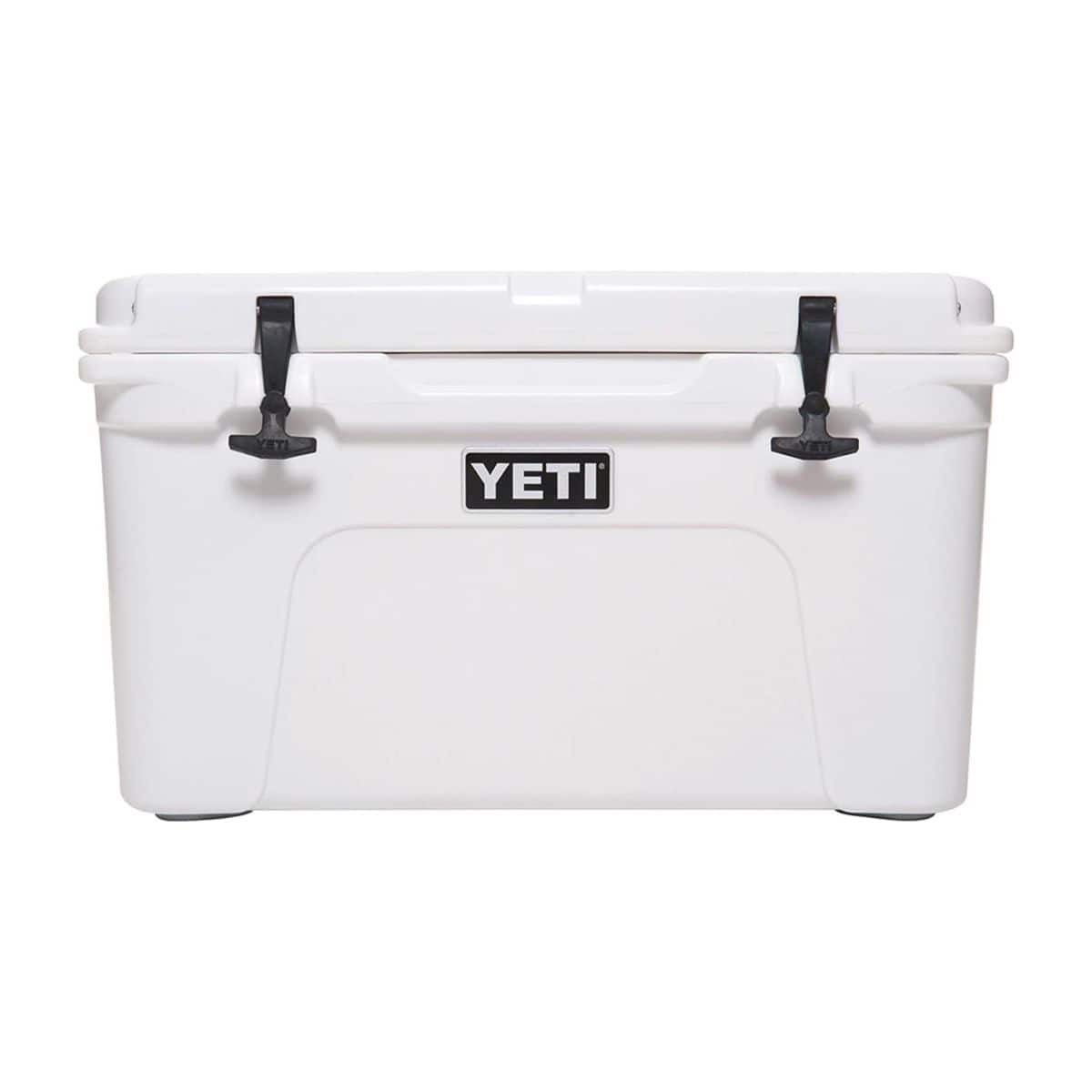
Combines versatility with durability, with a capacity of up to 26 cans
Igloo BMX 52 Quart Heavy-Duty Cooler
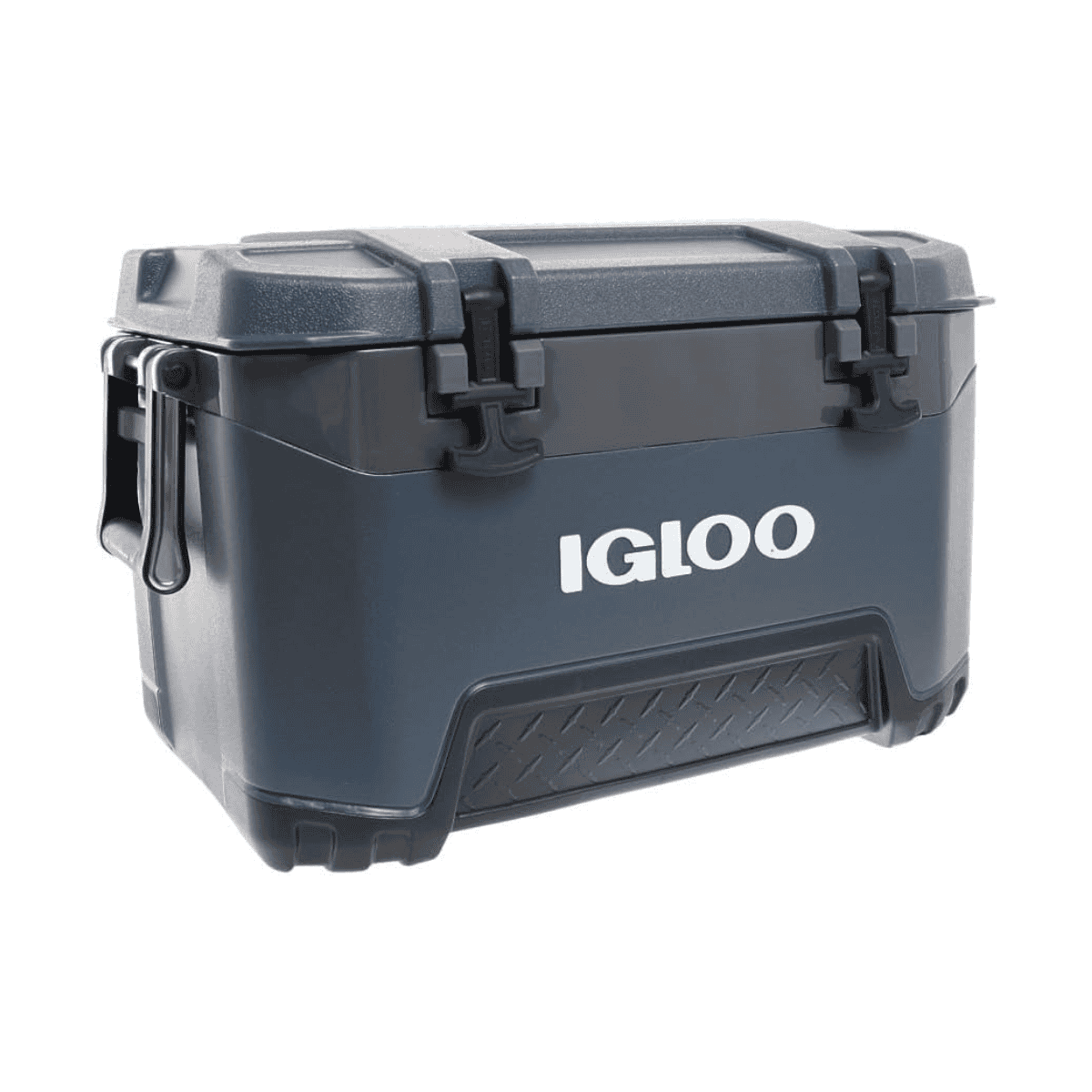
Heavy-duty blow-molded construction provides advanced durability
Hard Cooler (Family / Weekend Use): More Portable, Still Tough
These are easier to move and better suited for shorter trips where convenience matters as much as performance.
Coleman Xtreme Series Wheeled Cooler (50–60 qt range)

This portable cooler holds up to 84 cans, perfect for beach or camping coolers
Igloo BMX (A smaller hard cooler option)
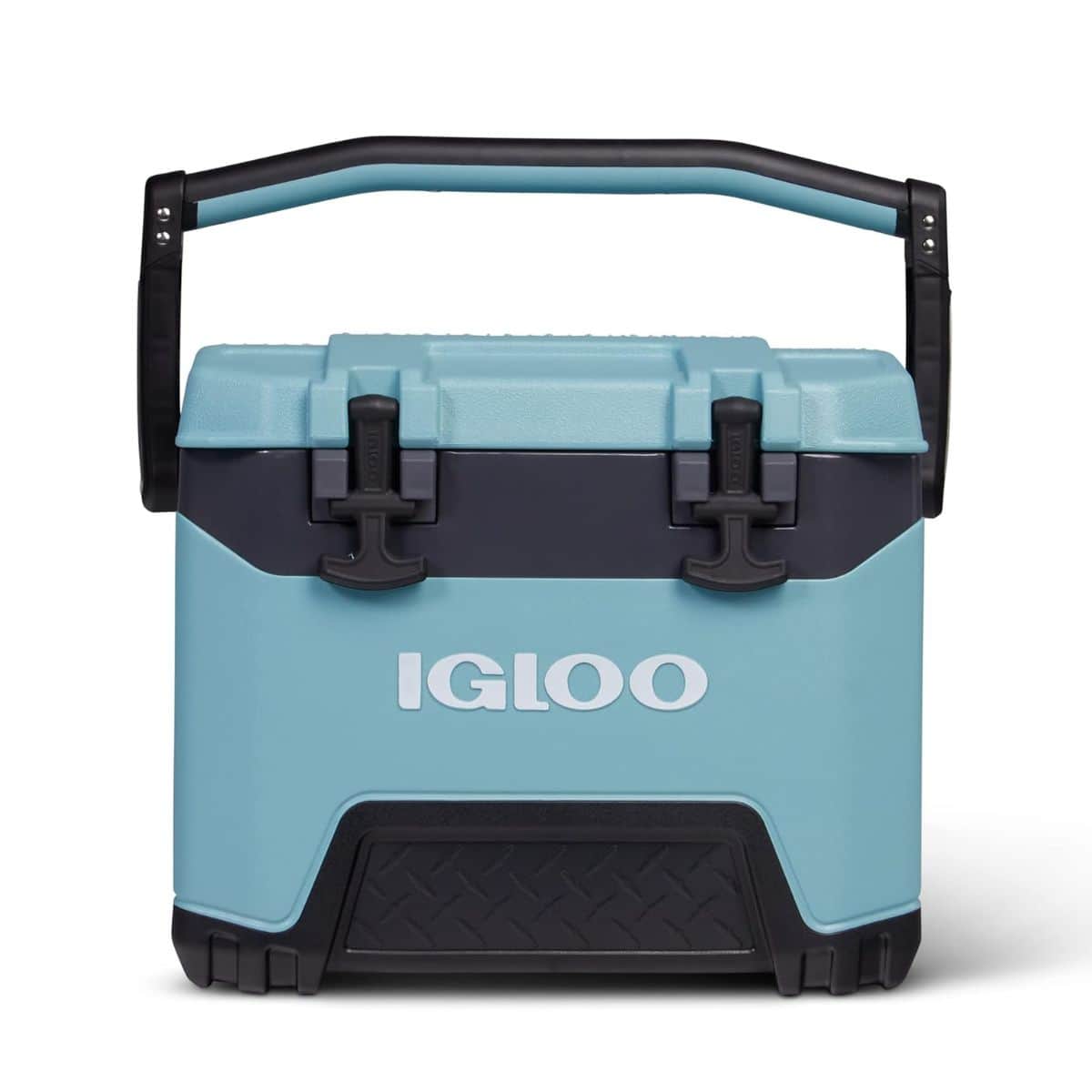
Molded-in fish ruler on lid lets you measure your catch instantly
Soft Cooler: For Day Trips
Lightweight and easy to carry, these are perfect for outings away from your main campsite.
YETI Hopper Flip 12 Soft Cooler
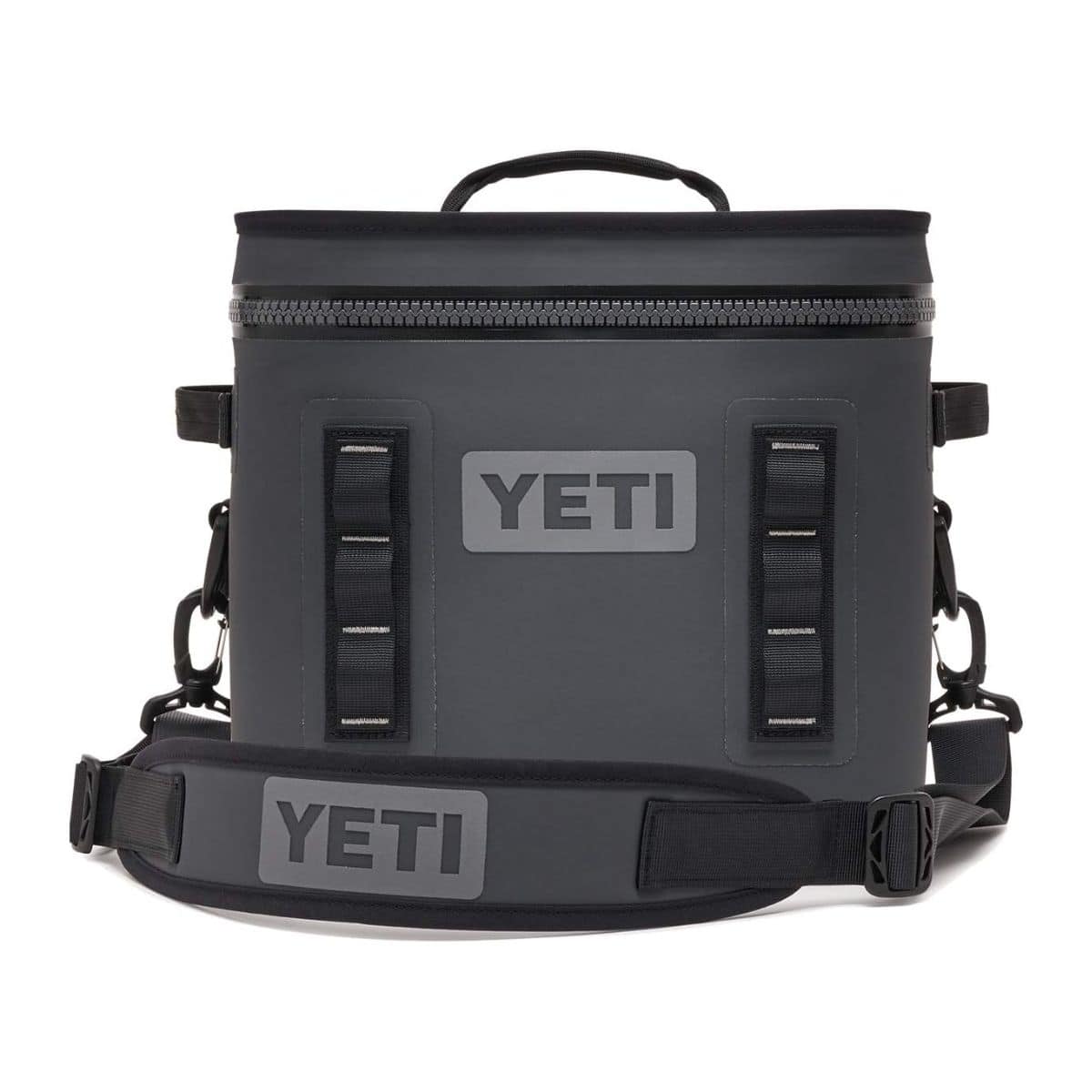
Its DryHide Shell is waterproof and resistant to punctures
Arctic Zone Titan Deep Freeze Soft Cooler
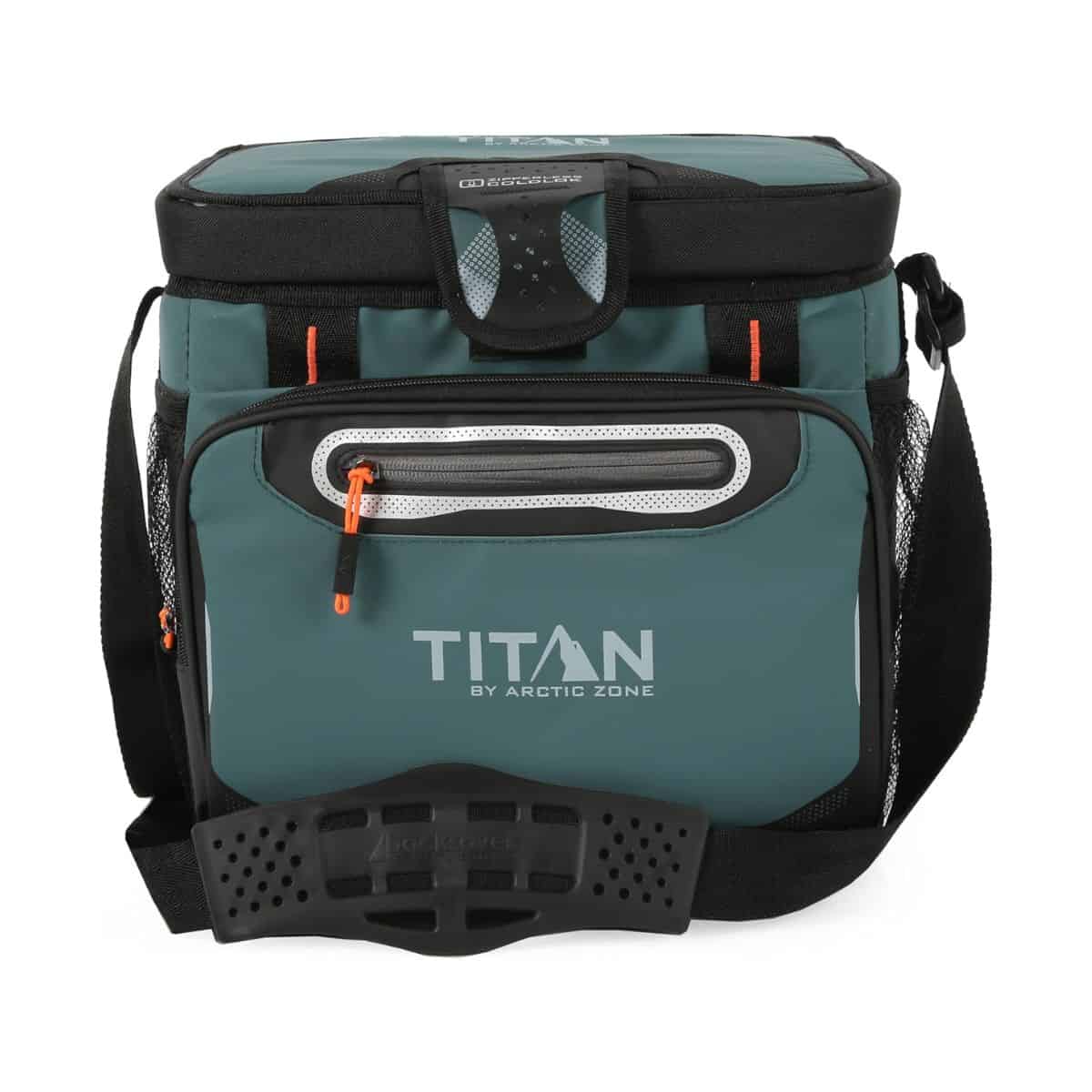
Perfect for keeping food and beverages cold during travel
Electric Cooler / Portable Fridge Category
Great for campers who want to skip ice and run a consistent cold system using power.
Dometic CFX3 Series Powered Cooler (Size based on your needs)
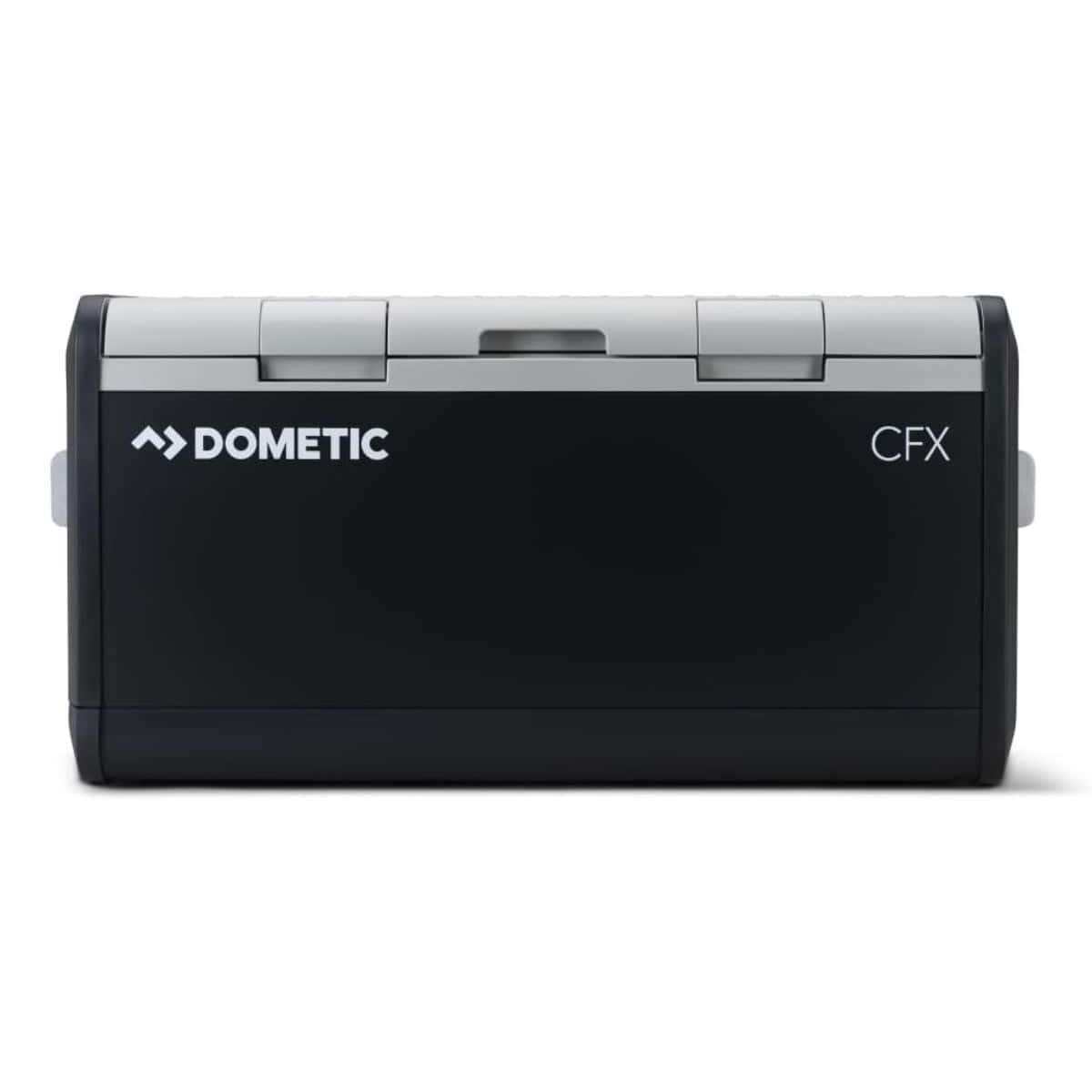
Built-in 3-stage dynamic battery protection system prevents dead batteries
Food Storage Containers: RV-Friendly Organization
Containers keep food clean, organized, and easy to access.
Rubbermaid Brilliance Food Storage Containers
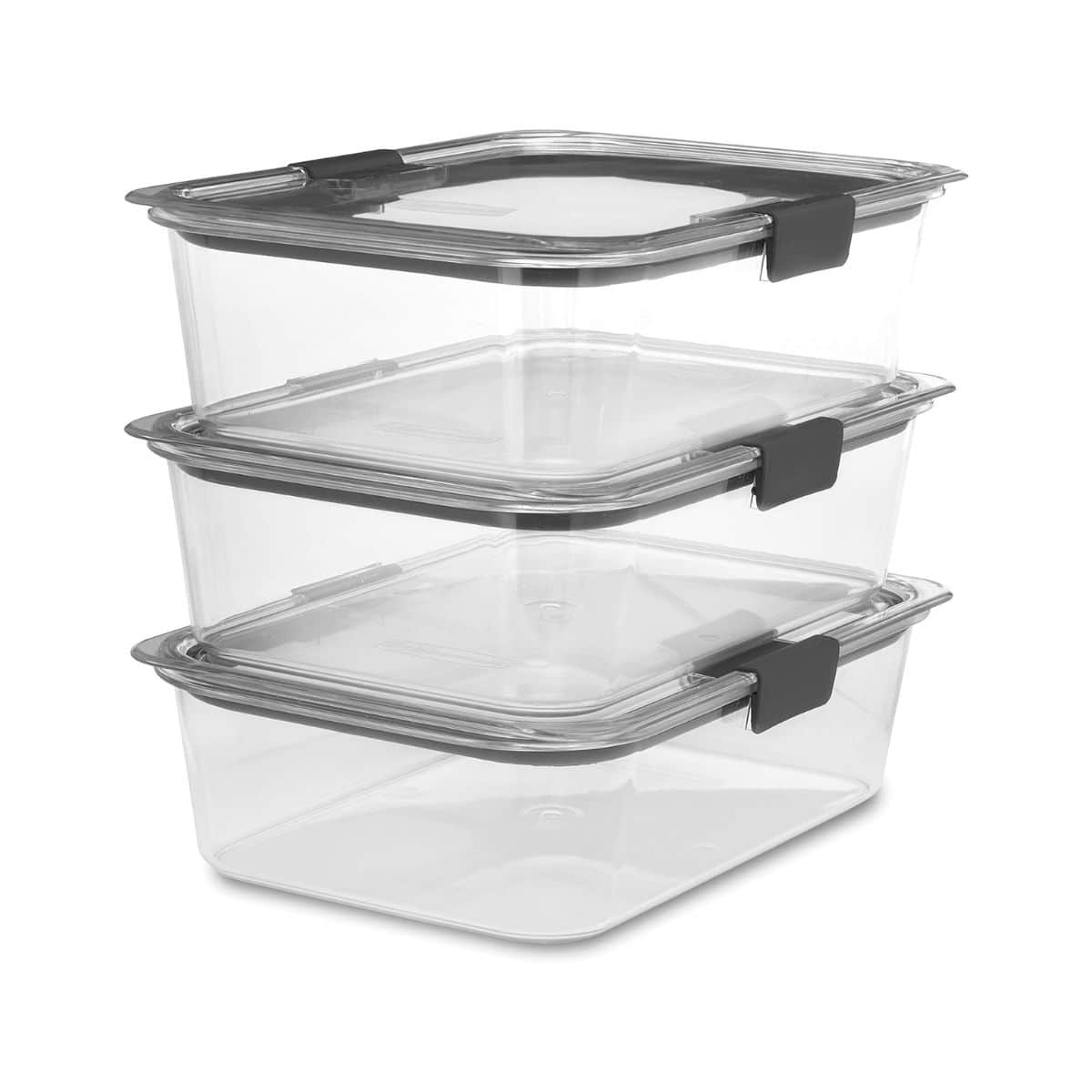
Built-in vents under latches allow splatter-resistant microwaving with the lid on
Snapware Total Solution (Glass) Containers
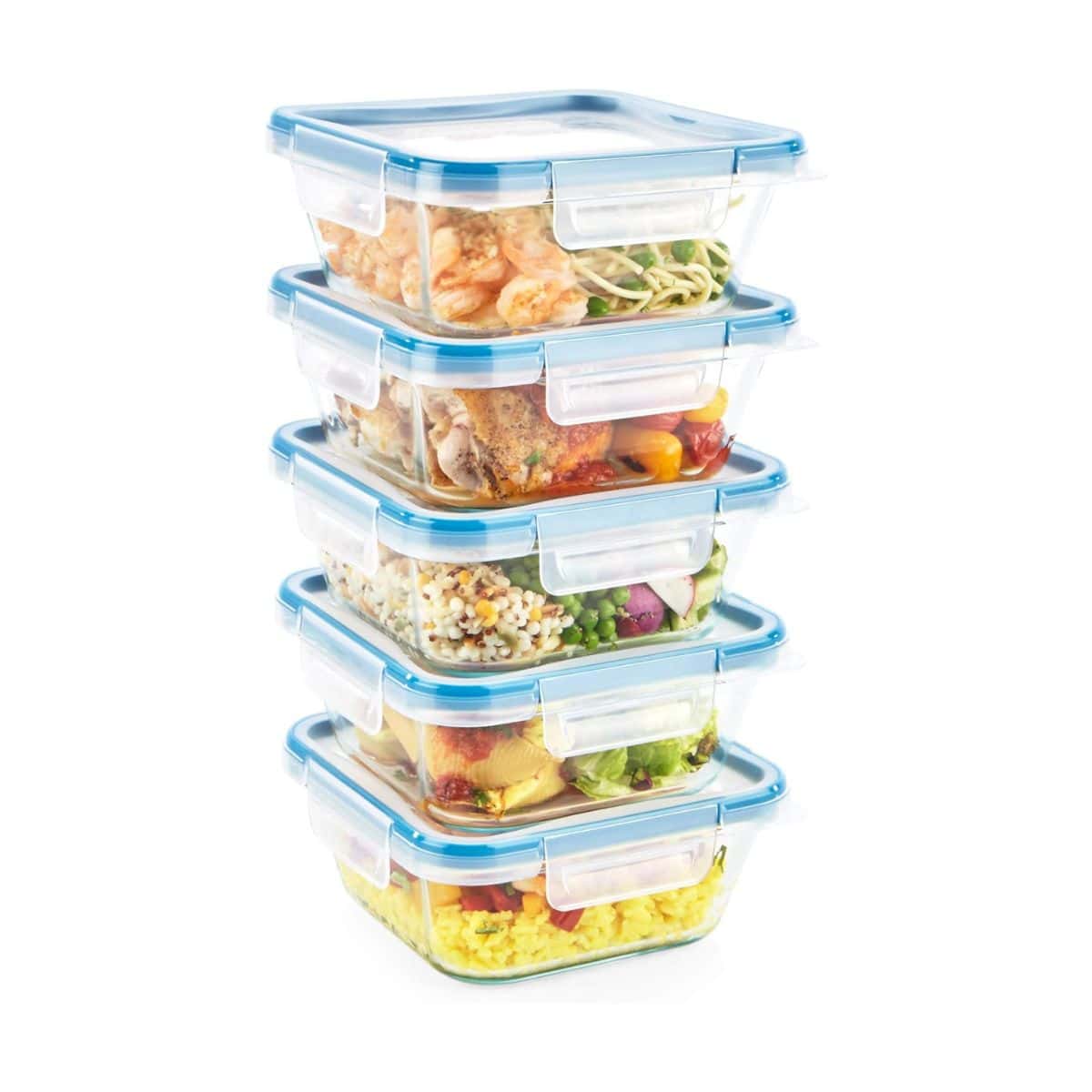
Made from high-quality glass and durable BPA-Free plastic
Dry Bag (Food Context)
Useful for protecting dry goods and controlling moisture and smells.
Earth Pak Waterproof Dry Bag (10L–20L)
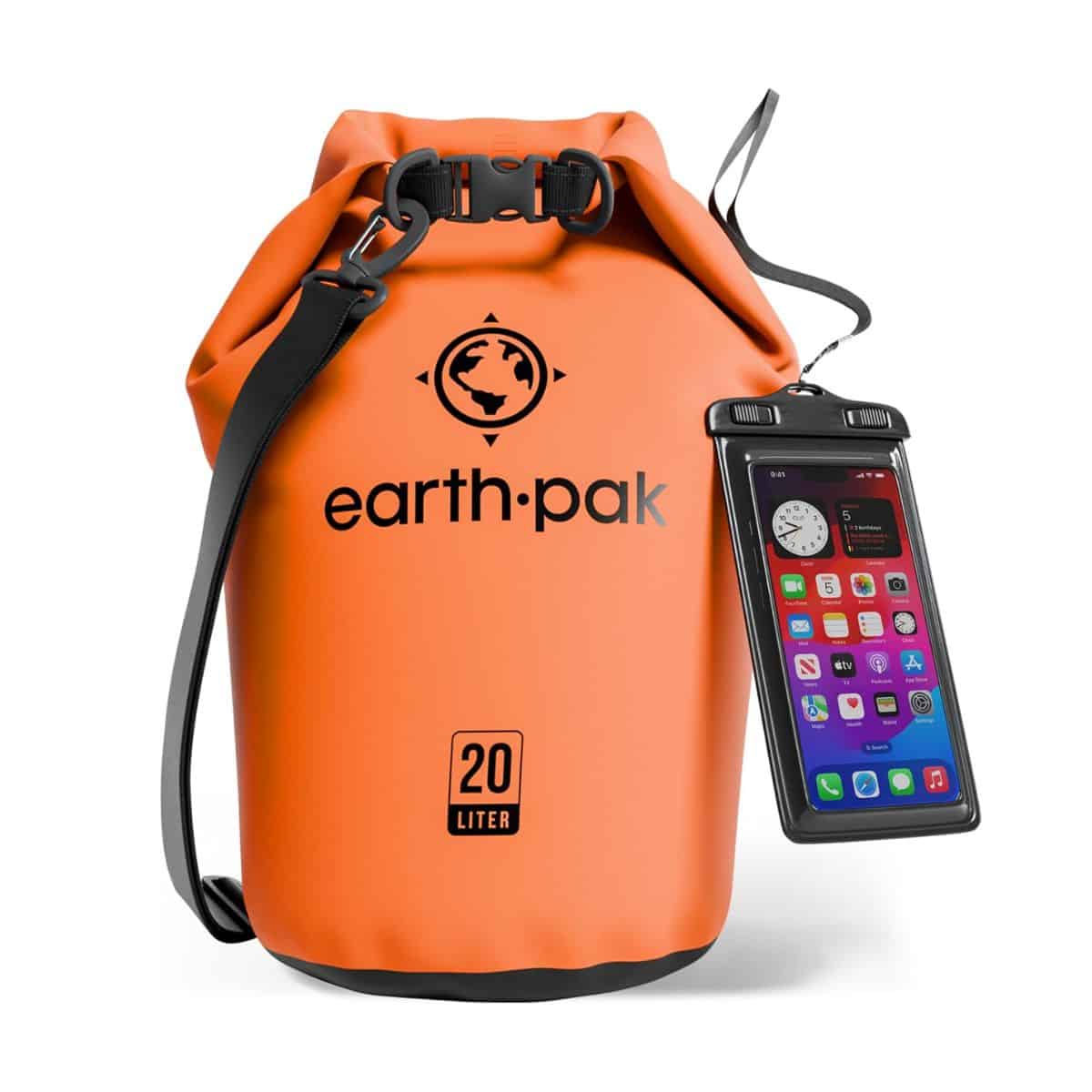
Our water bag is very lightweight and compact, making it an essential dry bag.
Fridge Organizer/Refrigerator Bin
These help make small RV fridges usable and efficient.
iDesign Clear Fridge Bins (Various sizes)
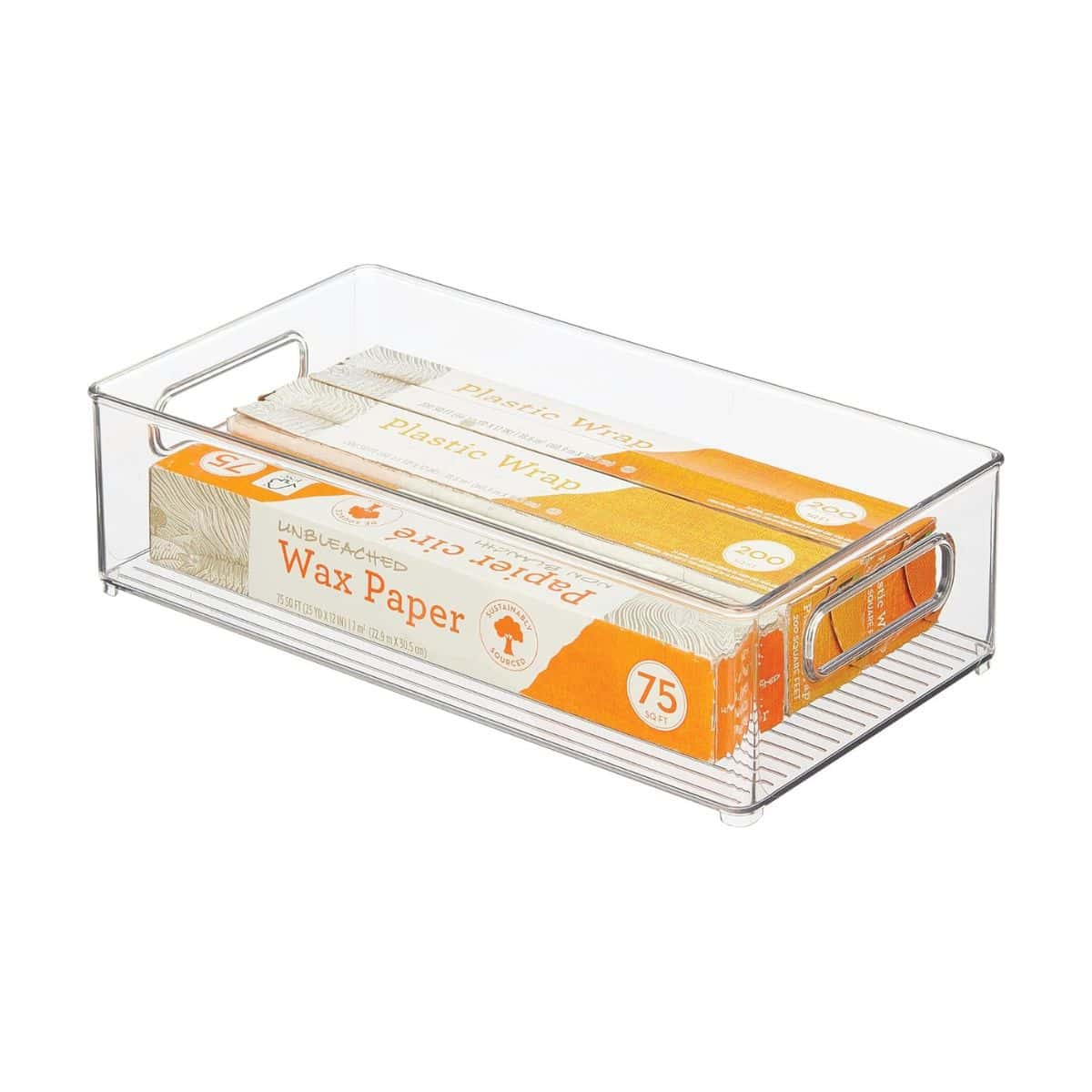
Transparent, durable plastic walls allow you to view the box contents easily.
Disclosure: As an Amazon Associate, we may earn from qualifying purchases.
Gear Comparison Guidance
Choosing the right setup depends on how you camp. If you stay in one place for days, a heavy-duty cooler or powered fridge makes sense. If you’re constantly on the move or heading out on day trips, portability becomes more important.
Hard coolers hold cold longer but are heavier and harder to move once loaded. Soft coolers are easy to carry but lose temperature faster. Electric coolers eliminate the need for ice but require a stable power source.
Containers and organizers don’t affect temperature directly, but they change how your system works. Better organization means less digging, faster access, and fewer long lid openings.
The goal isn’t to pick one piece of gear. It’s to build a system of coolers and food storage gear where each piece supports the others.
Quick Decision Guide
- If you camp in one spot for several days, choose a rotomolded hard cooler for food storage.
- If you take frequent short outings, add a soft cooler for quick access.
- If you have reliable power, consider a portable fridge to eliminate ice management.
- If your cooler turns messy fast, invest in better containers and bins.
- If you struggle with humidity or pests, add a dry bag for storing dry goods.
Buying Considerations
- Ice retention vs portability
- Weight when fully loaded
- Available storage space in your RV or vehicle
- Ease of cleaning and drainage
- Lid seal and latch quality
- Stackability and internal organization
Accessory Ideas
- Cooler thermometer for tracking safe temperatures
- Ice blocks or reusable frozen bottles
- Cooler baskets to keep food out of meltwater
- Labeling tape for organizing containers
- Insulated cooler covers for sun protection
Coolers and Food Storage Gear FAQs
How long should ice last in a good cooler?
A high-quality cooler can hold ice for several days if used properly. Pre-chilling, limiting openings, and keeping it in the shade make a big difference. Poor habits can cut ice life in half, even with premium coolers and food storage gear.
Is a powered cooler better than a traditional cooler?
It depends on your setup. Powered coolers eliminate the need for ice and maintain steady temperatures, but they require a reliable power source. Traditional coolers are simpler and work anywhere, but need regular ice management.
Do I really need two coolers?
For longer trips, yes. One cooler for drinks and snacks reduces the frequency with which your main food cooler is opened. That alone can significantly extend the shelf life of ice and improve food safety.
Are glass containers safe for RV travel?
They work well if your travel is smooth and controlled. For rough roads or frequent movement, plastic containers are usually more practical and less likely to break.
Why does my cooler get warm so quickly?
Common causes include loading warm food, opening it too often, or leaving it in direct sunlight. Even a good cooler will struggle if those factors aren’t controlled.
Other Resources
If you want to get more out of your coolers and food storage gear setup, these guides cover the surrounding pieces that often make the biggest difference. From managing your RV fridge to improving kitchen flow and food prep, these resources help you build a smoother, more reliable camp cooking system.
- RV Refrigerator Buying Guide
- Learn how to make perfect Campfire Mac and Cheese: A step-by-step guide
- Stay Hydrated on the Road with These 15 Premium RV Water Filters
- A Guide to Creating a Cozy Outdoor Living RV Space
- Keep Your Cool – A Look at RV Portable Coolers & Refrigerators
Keep Exploring Coolers, Fridge Accessories, and Food Storage
Coolers and food storage gear are just one part of a functional campsite. These related gear categories help round out your setup, from lighting and prep space to shelter and organization. Exploring these areas can make your entire camp kitchen easier to use and more comfortable day to day.
- Camping lights gear
- Portable shelter gear
- Outdoor living gear
- Storage and organization helpers
- Camp tables and prep surfaces
Closing Guidance
Cold storage doesn’t need to be complicated, but it does need to be intentional. The biggest gains come from small changes—keeping your cooler closed, organizing your food, and using the right coolers and food storage gear for the trip.
Start by thinking about how you camp. Weekend trips, long stays, hot climates, or quick stopovers all demand slightly different setups. A single cooler might work for one scenario and fail in another.
From there, build your system step by step. Add containers to reduce mess. Use a second cooler to protect your main food supply. Upgrade to better insulation if your trips are getting longer or hotter.
The result is simple: less wasted food, fewer last-minute store runs, and a smoother camp routine. Once your coolers and food storage gear work reliably, everything else in your camp kitchen becomes easier.
Date Updated: 03/26


