

What You’ll Find on This Page
Good camp sleep rarely comes from one lucky purchase. It usually comes from getting the right pieces to work together. That is the thread running through this chapter, and that is the same thread running through this page.
You will find a practical overview of the sleeping gear for camping that matters most when sleep goes sideways. That includes support under your body, insulation and bedding above it, pillow choices, and a few small comfort items that often punch above their weight. Some campers need a better base layer under a sleeping bag. Some need airflow in a stuffy RV bunk. Some are one decent pillow away from waking up far less grumpy. This page helps narrow that down.
The product sections below are organized in the same way the chapter approaches the problem. Instead of dumping every sleep product into one heap, the recommendations stay grouped by likely use: a few smart starter pieces, a few high-impact comfort upgrades, and a few easy fixes for campers who are already sleeping badly and want relief before the next trip.
Use this page as a quick-reference companion to the chapter. If you already know what keeps wrecking your sleep, jump straight to the recommendation group that fits your situation. If your problem is still a little fuzzy, start with the quick summary, then read the buying considerations and decision guide before making a purchase. That usually saves money and prevents the classic mistake of fixing the wrong layer of the sleep system.
The goal is not to make camp sleep fancy. It is to make it repeatable, comfortable enough, and realistic for the kind of trips you actually take. Expert Insight Callout
GEAR TIP:
Campers often blame “sleeping rough” on the outdoors when the real problem is one weak layer in the setup. Fix the failing layer first, and the whole sleep system usually feels better without a full overhaul.
Quick Gear Summary
- Support layers such as sleeping pads, mattresses, toppers, and other surfaces that keep pressure points under control.
- Head and neck support that matches real sleep position instead of just packing small.
- Temperature control pieces that help manage cold ground, trapped heat, humidity, and overnight swings.
- Bedding choices for RV, tent, and vehicle camping setups.
- Small sleep-condition helpers like fans, earplugs, and sleep masks.
- Systems thinking that matches the setup to camping style rather than buying random comfort items.
Product Recommendations by Category
The products below represent commonly recommended options within the sleeping gear for camping categories discussed in this chapter.
Starter Sleep-System Essentials
These are solid starting pieces for campers who want to improve sleep without rebuilding the whole setup. They work best for readers who are still sorting out whether their main problem is support, pillow comfort, or the sleeping environment itself.
Therm-a-Rest Z Lite Sol Sleeping Pad
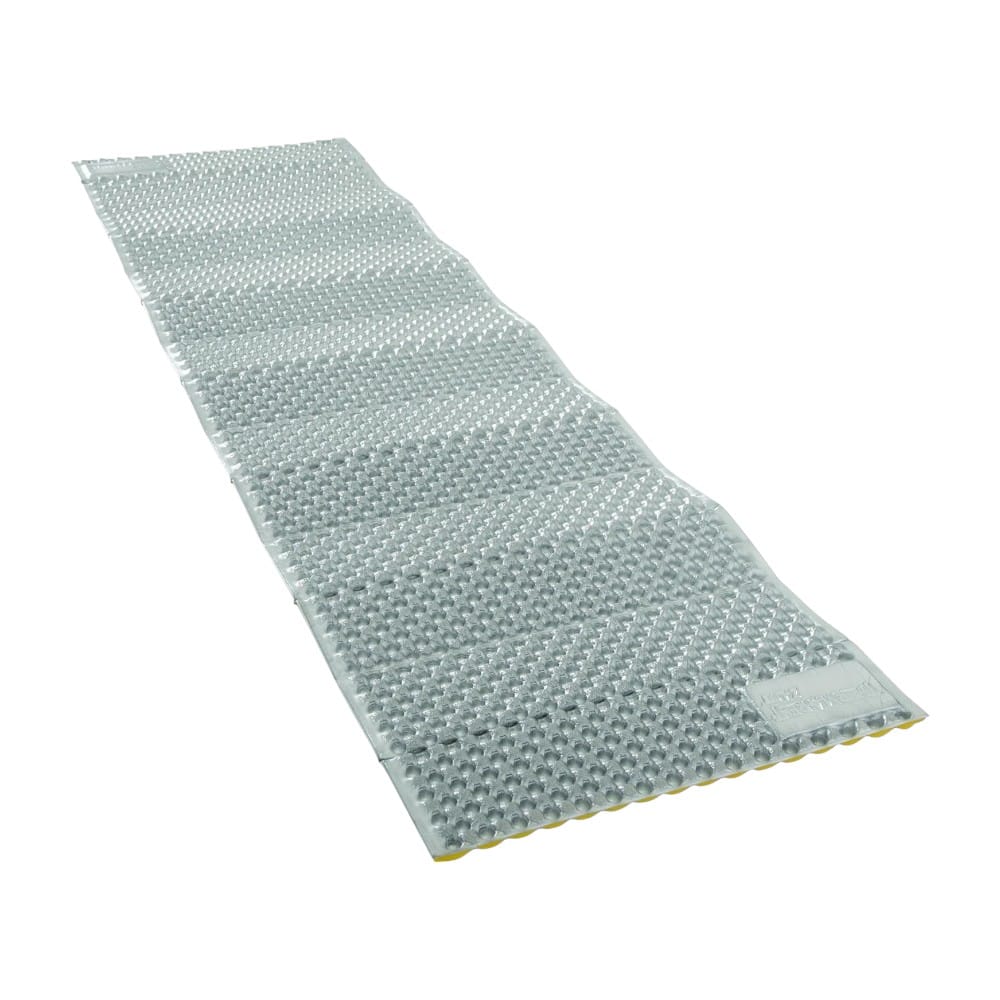
Useful under sleeping bags or other pads when cold ground is stealing heat all night.
Sea to Summit Aeros Premium Pillow
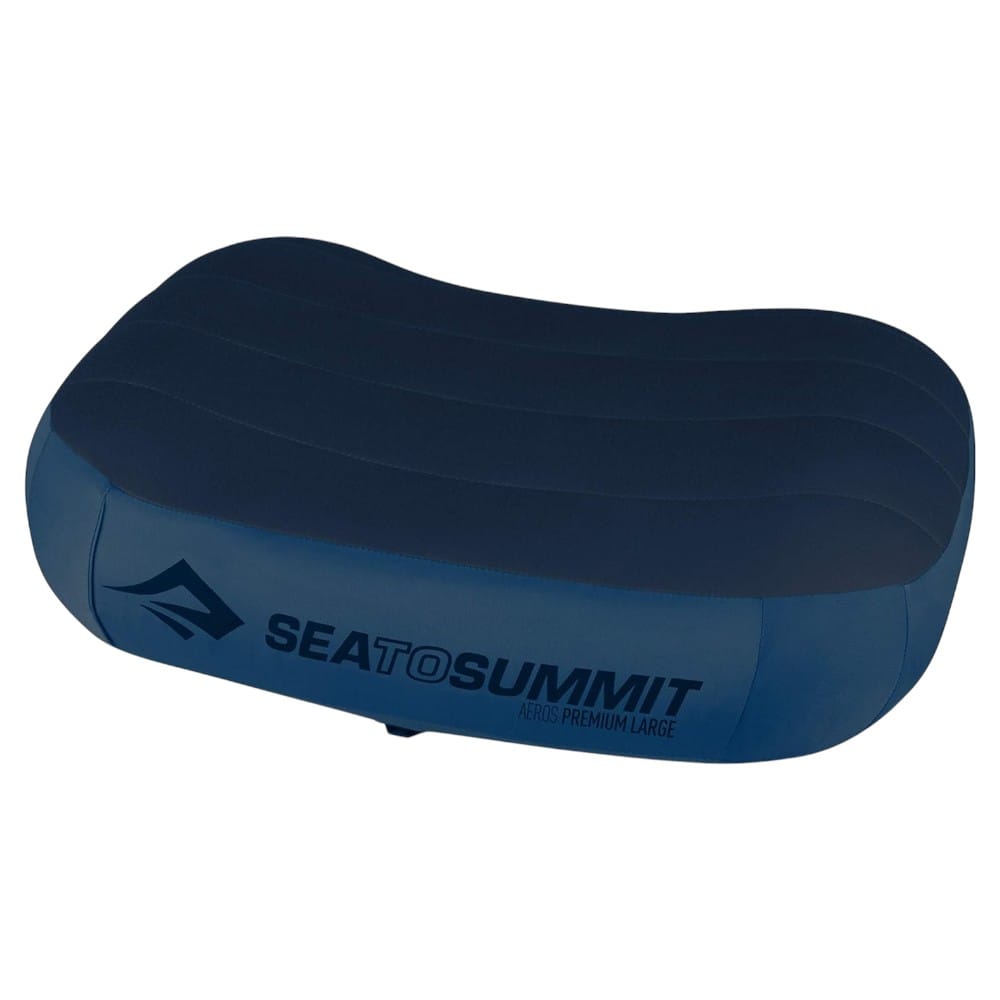
A practical camp pillow for tent, car, and occasional RV use when pack space still matters.
Gaiatop Rechargeable Camping Fan
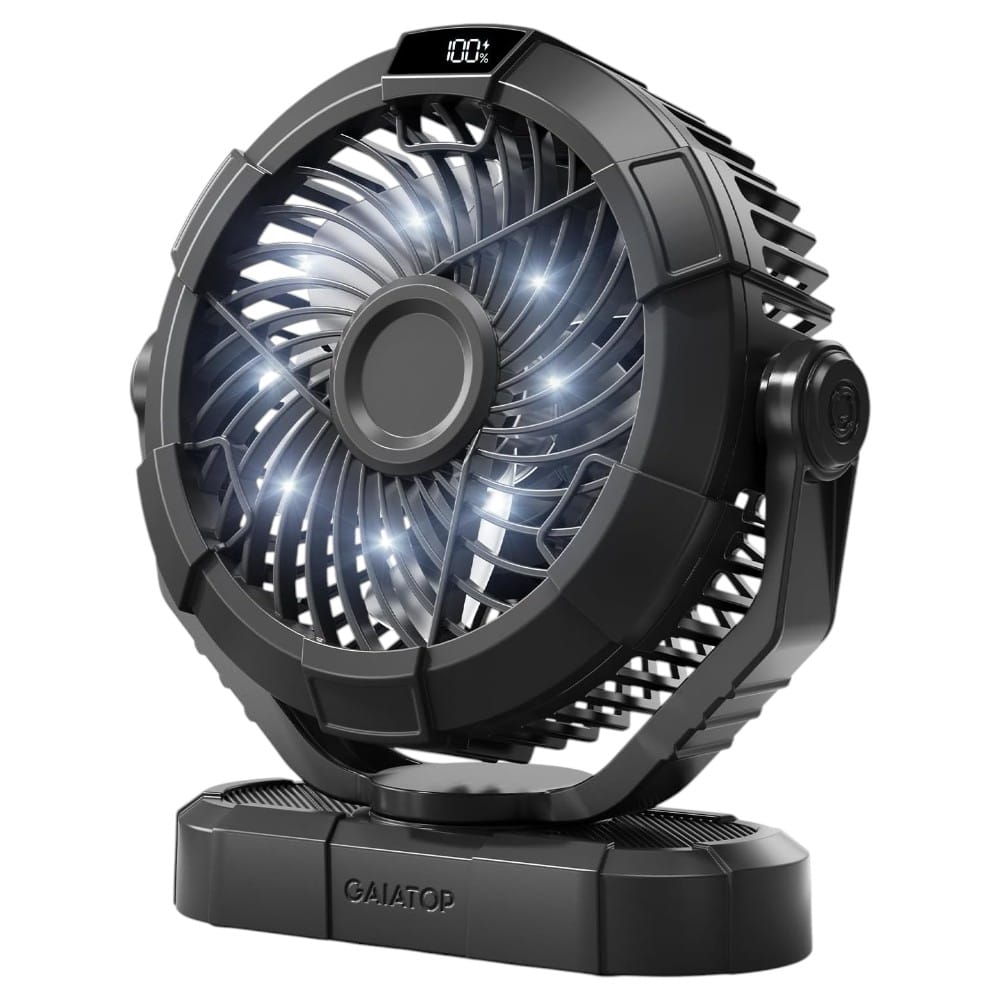
Helps reduce stuffy air in tents, bunks, and small vehicle sleeping spaces on warm nights.
Highest-Impact Comfort Upgrades
These upgrades suit campers who already know thin pads, weak support, or harsh sleeping surfaces are the main issues. They are better fits for comfort-focused trips, longer stays, and campers who do not mind carrying bulk for better rest.
Therm-a-Rest MondoKing 3D Mattress
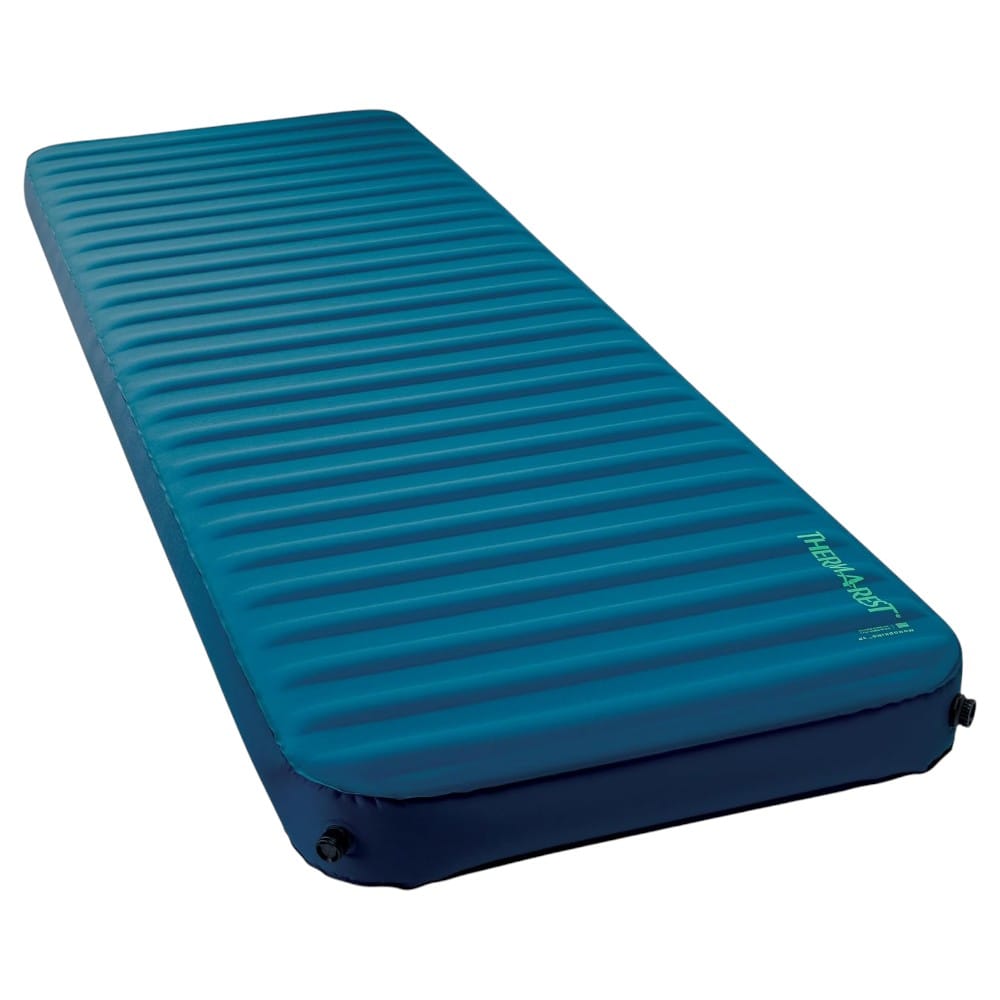
A thick comfort upgrade for car camping and tent trips where better sleep matters more than space.
HEST Foamy Sleeping Pad
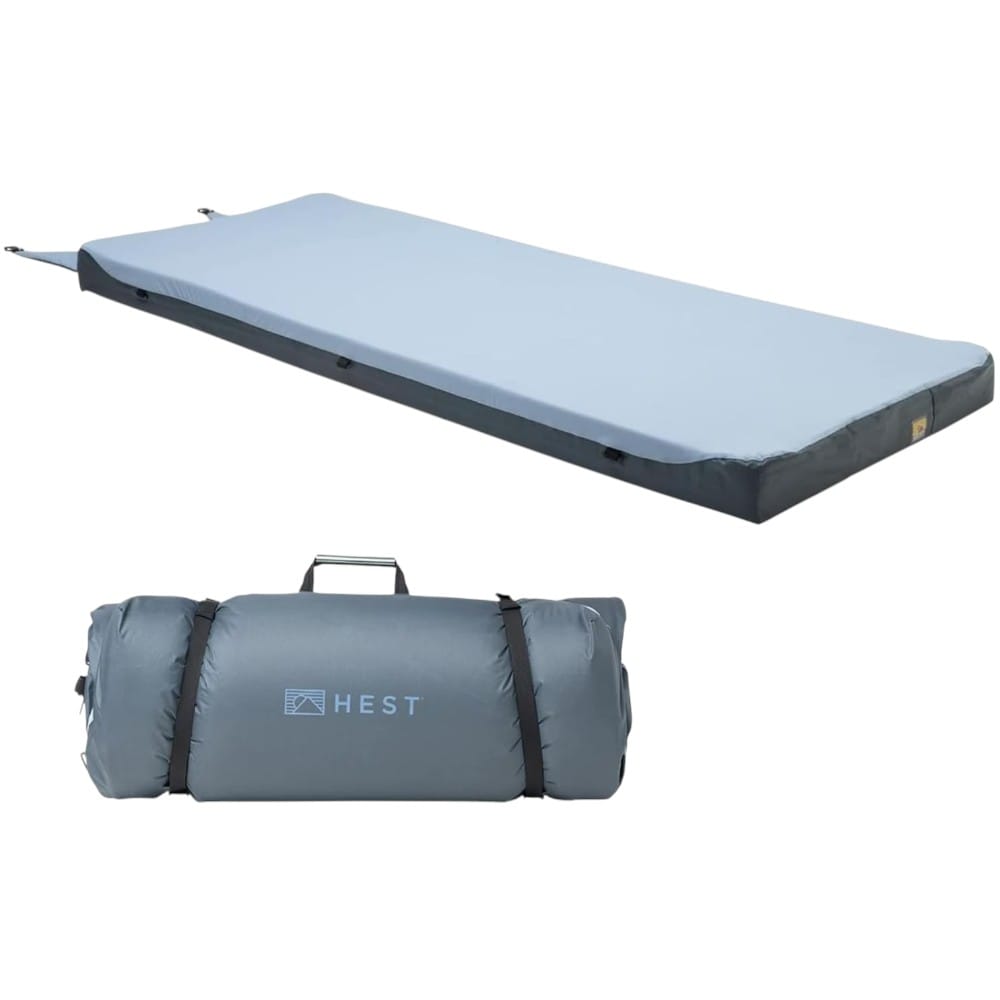
Best for campers who want serious cushioning in tents, truck beds, or roomy vehicle setups.
Linenspa 3-Inch Gel Memory Foam Topper
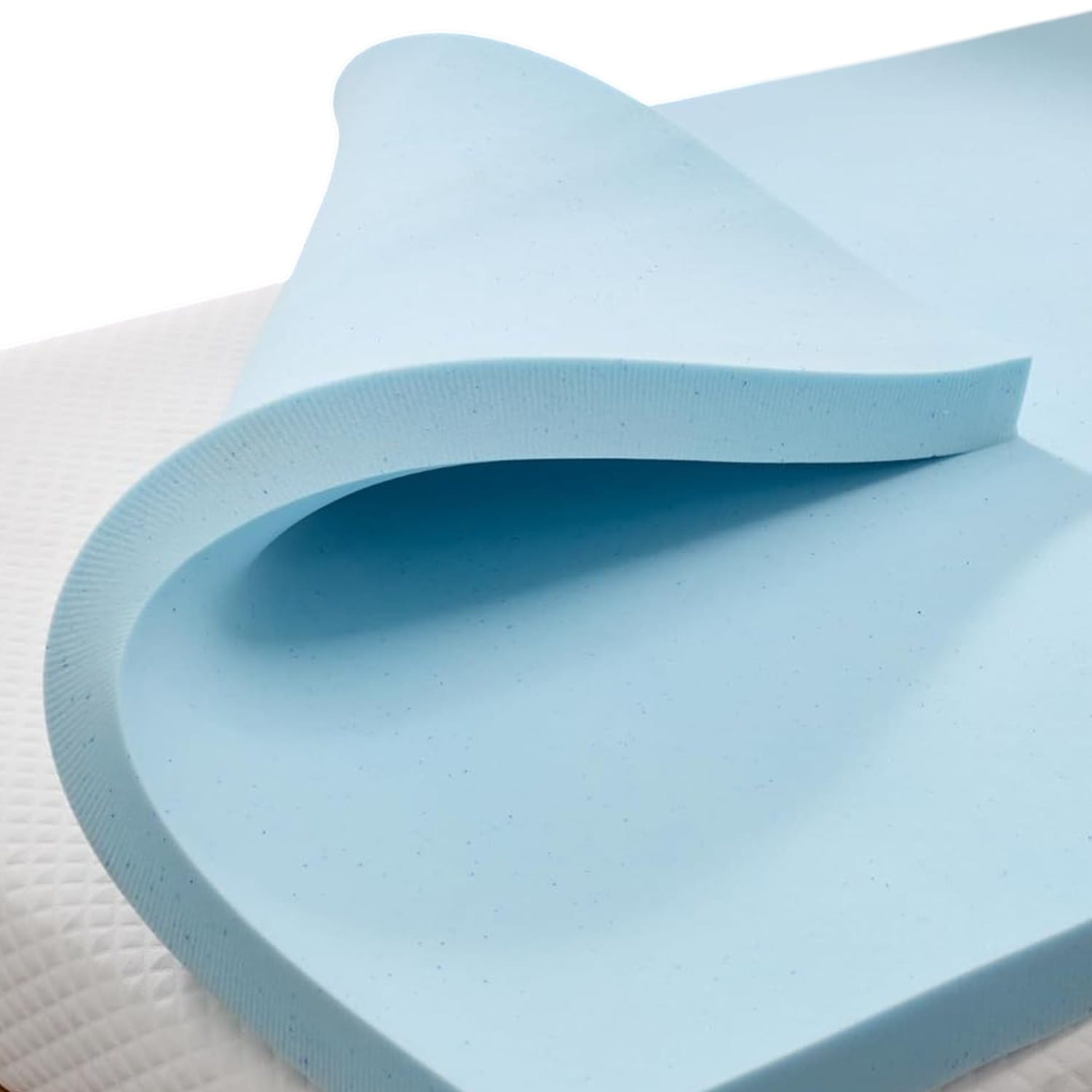
A smart upgrade for RV beds, bunks, or guest-style camp setups that feel too firm.
Simple Fixes for Readers Sleeping Badly Right Now
These are the easy wins. They help when the larger sleep surface may still be serviceable, but light, noise, heat, or poor pillow support keeps breaking the night.

TETON Sports Camp Pillow
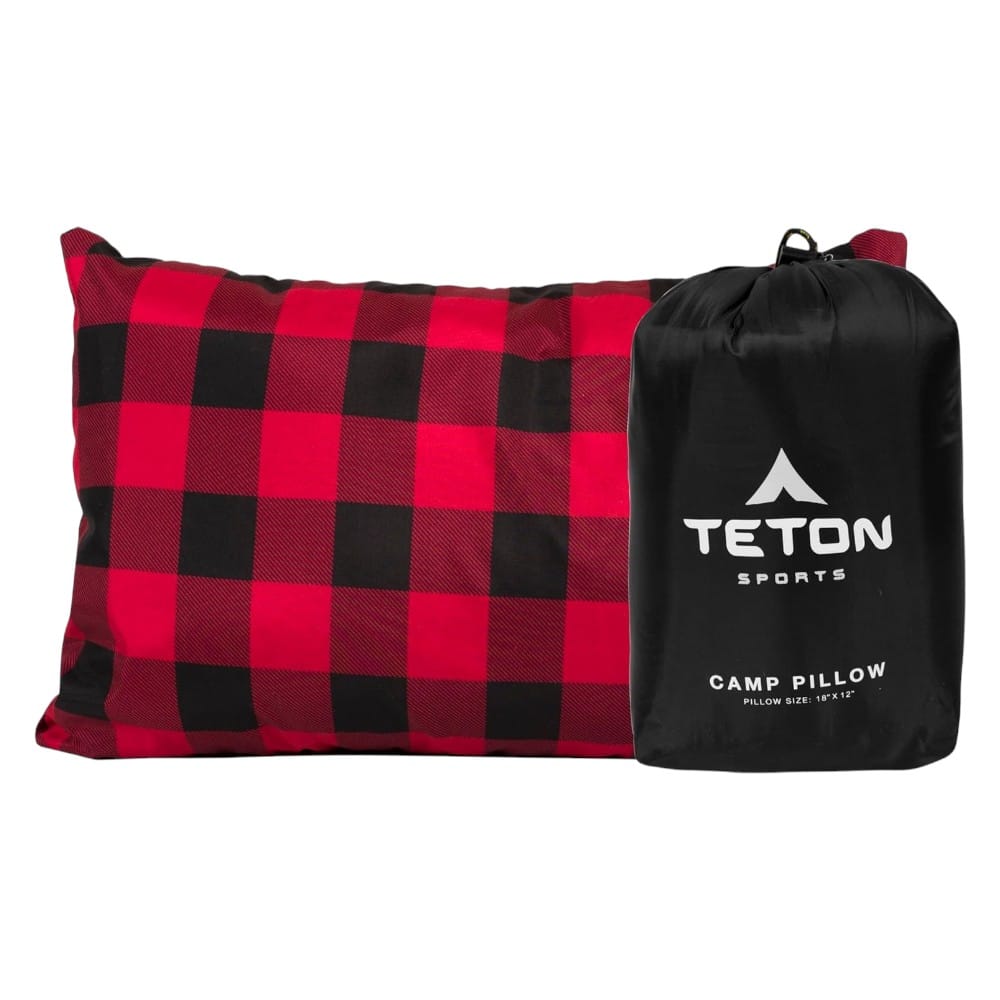
A fast comfort fix for campers whose neck support is worse than the rest of the bed.
Mack’s Ultra Soft Foam Earplugs
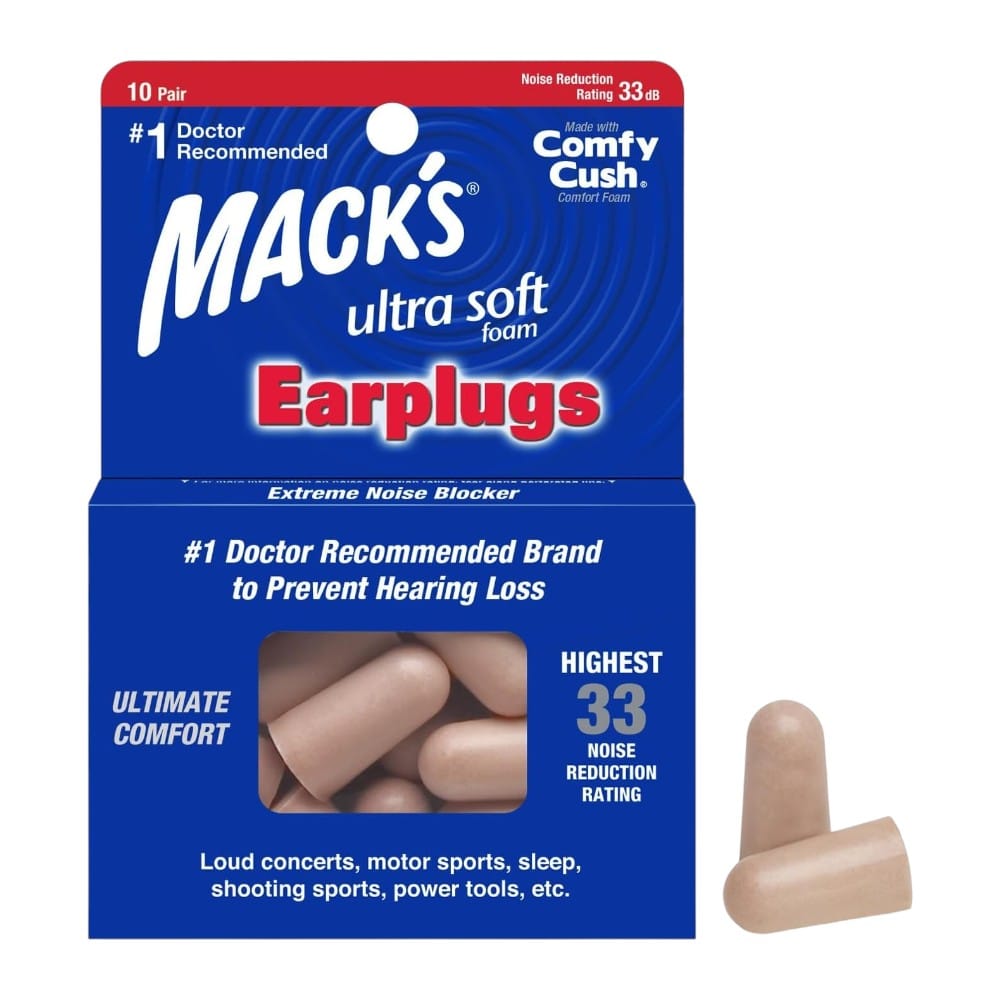
Cuts down noise from nearby campers, traffic, and dawn activity when sleep gets broken too easily.
MZOO Sleep Eye Mask

A low-cost fix for early light in tents, cars, vans, and RV bedrooms.
Disclosure: As an Amazon Associate, we may earn from qualifying purchases.
Gear Comparison Guidance
Start by comparing the part of the sleep system that is failing, not the one that is easiest to buy. A thicker mattress or pad often improves comfort quickly, but it also takes up more space in the RV, vehicle, or gear bin. Compact sleeping gear for camping travels better, though it can leave side sleepers and broad-shouldered campers feeling under-supported.
Pillows are similar. Small packable pillows save space, but they may not provide enough height or firmness for how you actually sleep. Fans, masks, and earplugs are lighter and cheaper than replacing a mattress, yet they only help if the real problem is airflow, light, or noise. Think about trip style too. Campers who move every day usually benefit from gear that packs quickly and stores neatly. Campers staying put for several nights can often justify bulkier comfort upgrades that make bedtime easier. The right choice depends less on what looks impressive online and more on whether the sleeping gear for camping matches your campsite routine, storage room, and tolerance for rough sleep.
Quick Decision Guide
- If you sleep cold on the ground, start with better insulation under your body before buying heavier blankets.
- If your neck is the main complaint, fix the pillow first. That is often cheaper and faster than reworking the whole bed.
- If your RV or tent feels stuffy at night, add airflow before assuming the mattress is the problem.
- If you stay in one campsite for several nights, comfort-heavy pads and toppers usually make more sense than ultra-compact sleeping gear for camping.
- If you move camp often, favor simpler setups that pack quickly and do not turn bedtime into a half-hour project.
- If your sleep is “almost good,” look for small annoyances like light, noise, platform angle, or pressure points before replacing everything.
Buying Considerations
- How much support do you need based on sleep position, body size, and any back or shoulder trouble?
- Whether the sleeping gear for camping is used in an RV, a tent, or another vehicle, or a mix of all three.
- Packed size and storage room in the rig, trunk, rooftop box, or gear closet.
- Warm-weather versus cold-weather use, especially for pads and bedding layers.
- Ease of setup, cleanup, and drying after damp or humid trips.
- Durability of the sleeping gear for camping will be tested by frequent use, loaning, or packing tightly.
- Noise, light, and airflow problems that may require small add-on fixes rather than a larger bed purchase.
- Whether the upgrade solves the real complaint rather than just looking like a nicer version of the wrong thing.
Accessory Ideas
- Fitted mattress protector: Helps keep RV mattresses, toppers, and pads cleaner through dusty trips and muddy feet.
- Moisture-wicking sleepwear: Useful when damp clothes or clammy fabric keeps waking you up in changing conditions.
- Extra closed-cell foam layer: Handy under another pad when ground chill is the real problem.
- Blackout window covers: Helpful for vans, SUVs, and RVs where early light cuts the night short.
- Compact storage sack or bedding tote: Keeps sleeping gear for camping cleaner and easier to grab during setup and teardown.
- Small rechargeable reading light: Lets one person read without flooding the whole sleeping area with bright overhead light.
Sleeping Gear for Camping FAQs
What matters most in a camping sleep system?
The biggest factors are support under your body, temperature control, and head and neck comfort. If one of those layers is weak, the rest of the setup usually has to compensate. That is why a decent overall system often sleeps better than one expensive item surrounded by bad gear.
Is a thicker sleeping surface always better for camping?
Not always. Thicker surfaces can improve comfort, but they also take up more room, weigh more, and may sleep hotter depending on the material. Some campers need more thickness. Others just need a better match for their sleep position or better insulation under the surface they already use.
Why do I still sleep cold even with a warm sleeping bag?
Heat loss under your body is often the culprit. Cold ground or a weak sleep surface can drain heat even if the bag itself is well-rated. That is why pads, mattresses, and insulation layers under you matter just as much as what is covering you on top.
Are small comfort items really worth carrying?
Often, yes. A simple fan, an eye mask, or a pair of earplugs can fix the kind of sleep disruption that keeps the night from breaking into pieces. They do not replace good support or bedding, but they can make a noticeable difference when light, noise, or stale air is the main problem.
What is the quickest fix if I have a bad night’s sleep in my RV?
Start by identifying whether the issue is the mattress, topper, pillow, or airflow. Many RV sleep problems stem from a too-firm or low-quality mattress, weak pillow support, and poor air circulation. A topper or pillow upgrade can sometimes help faster than replacing the whole bed.
Should tent campers and car campers shop for the same sleep gear?
Sometimes, but not automatically. Tent campers usually need to pay more attention to ground insulation, moisture, and uneven surfaces. Car campers may be more limited by platform shape, headroom, and condensation. The same product can work in both settings, but the reasons it works may differ.
Other Resources
A few deeper reads can help if you want more detail on sleeping gear for camping, like mattresses, pillows, and sleep layers, before making changes.
- Best RV Mattresses Ultimate Sleep Solutions 101
- Top 11 Air Mattresses for Outdoor Camping – A Buyer’s Guide
- Sleep Peacefully on Your Camping Trips with These 9 Camping Pillows
- The Perfect Sleeping Bag for Camping
Keep Exploring Related Gear Topics
If you want to keep building out a more comfortable campsite, these related gear pages are a good next stop.
- Camp Chairs – Recommended Gear & Resources (Chapter 1)
- Camp Tables – Recommended Gear & Resources (Chapter 2)
- Camping Lights – Recommended Gear & Resources (Chapter 3)
- Portable Shelter – Recommended Gear & Resources (Chapter 5)
- RV Small Comfort Extras – Recommended Gear & Resources (Chapter 8)
Closing Guidance
Sleeping gear for camping works best when it matches the kind of camping you actually do. That sounds obvious, but plenty of rough nights start with buying gear for an imaginary trip instead of the real one. A bulky comfort upgrade may be exactly right for a roomy SUV setup, a long RV stay, or a tent trip where you do not move camp often. The same item can be a poor fit for frequent one-night stops or tight storage.
That is why it helps to think in layers. Support comes first. Then temperature control. Then pillow comfort. Then the smaller fixes are around noise, light, and airflow. If you work through the problem in that order, you are less likely to waste money on gear that only looks useful in the catalog.
There is always a trade-off somewhere. Softer and thicker often means heavier and bulkier. Compact and light often means giving up some comfort. Simple sleep accessories will not rescue a terrible mattress, but they can solve the smaller problems that still matter. Good camp sleep usually lands in the middle: practical, comfortable enough, and easy to repeat without turning setup into a circus.
If your sleep still feels off, go back to the chapter and review the type of complaint you are dealing with. The right fix is usually there, hiding one layer below the thing you blamed first.
Last updated: 04/26


