


What You’ll Find on This Page
This page pulls together the key sleeping bag ideas from Chapter 7 and turns them into a cleaner shopping and comparison reference. The chapter goes deeper into the tradeoffs. Here, the focus is on the fast scan: which bag styles suit different campers, which product groups are worth comparing, and which comfort factors matter before you buy.
Sleeping bags for camping can look similar on a product grid, but the differences become apparent quickly once you try to sleep. A narrow mummy bag, a roomy spoon-shaped bag, and a big doublewide model may all be called camping bags, yet they solve very different problems. One saves space. One helps restless sleepers. One turns a campground bed into something that feels a little less like roughing it.
Use this page alongside the chapter to narrow choices by season, insulation type, shape, or sleeping style. The recommendations below follow the same structure as the chapter, making it easy to move back and forth between the long explanations and the quick-reference notes. You will also find a comparison chart, a short decision guide, buying checkpoints, accessory ideas, and a set of related links for readers who want to round out their sleep setup.
GEAR TIP:
If you usually wake up with one knee bent or rolled onto your side, do not force yourself into a narrow bag just because the specs look efficient. A slightly roomier shape often sleeps warmer in real life because you stop fighting the bag all night.
Quick Gear Summary
- Temperature ratings and what they really mean at camp
- Three-season, cold-weather, and comfort-focused sleeping bag categories
- Down versus synthetic insulation in real camping conditions
- Mummy, roomy, spoon-shaped, and doublewide bag styles
- Fit factors for side sleepers, cold sleepers, and couples
- Care, drying, and storage habits that affect long-term performance
Product Recommendations by Category
The products below represent commonly recommended options within the categories discussed in this chapter.
Three-Season Sleeping Bags for Camping
These are the bags most campers will get the most use out of. They suit spring-through-fall travel, cooler campground nights, and readers who want balance instead of extremes.
Kelty Cosmic 20 Down Mummy Sleeping Bag

Solid three-season warmth in a packable shape for campers who want dependable value.
Marmot Trestles Elite Eco 20 Sleeping Bag
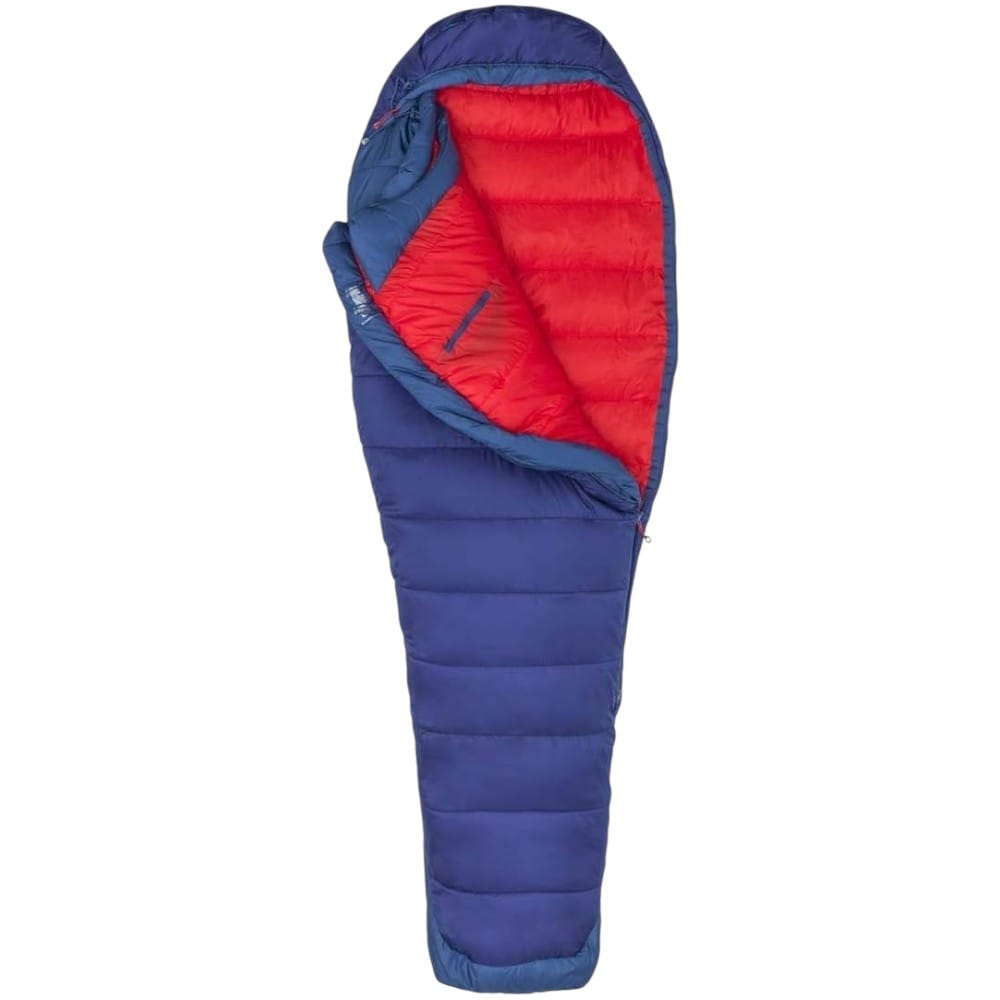
A practical synthetic mummy bag for mixed weather, damp mornings, and broad three-season use.
NEMO Disco 15 Endless Promise Down Sleeping Bag
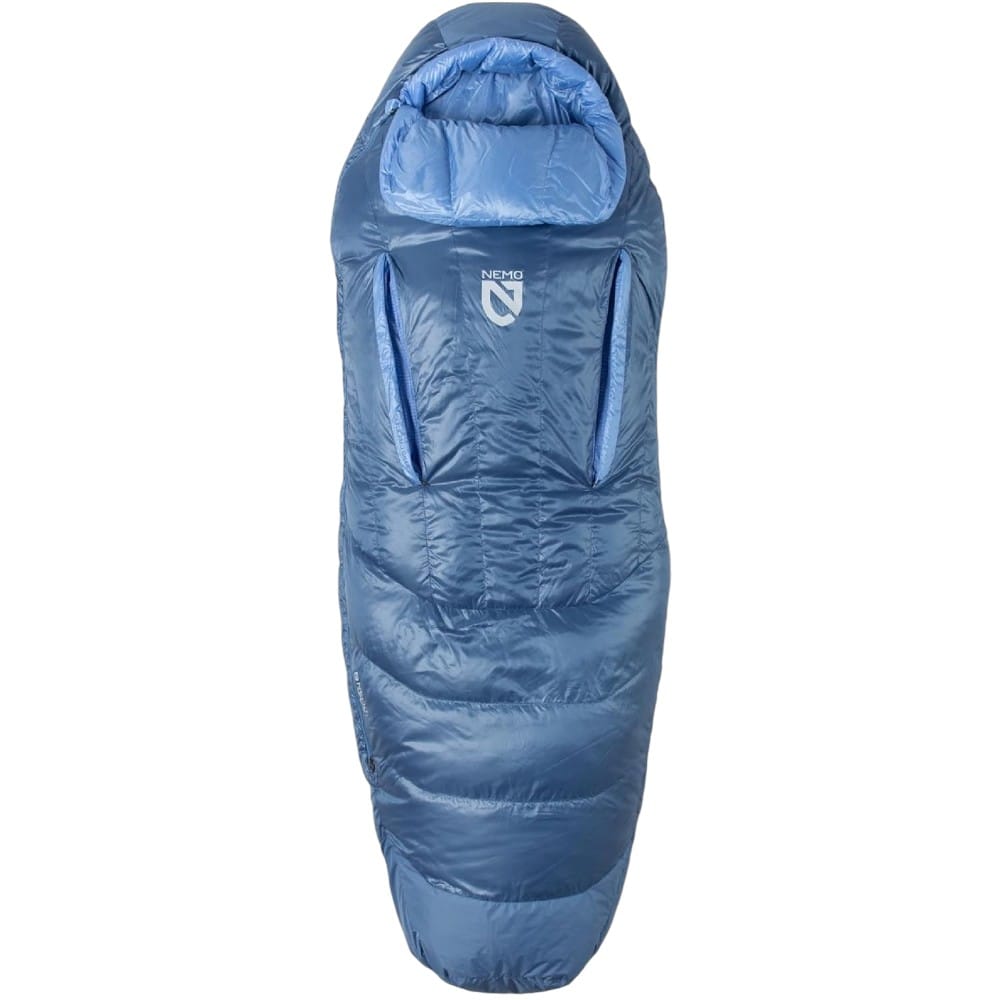
Sleeping bags for camping product image of NEMO Disco 15 Endless Promise Down Sleeping Bag
Cold-Weather and Winter-Oriented Bags
These sleeping bags for camping in cold weather make more sense once cold nights are expected, not just possible. They favor warmth, draft control, and protection over pack-small convenience.
The North Face One Bag
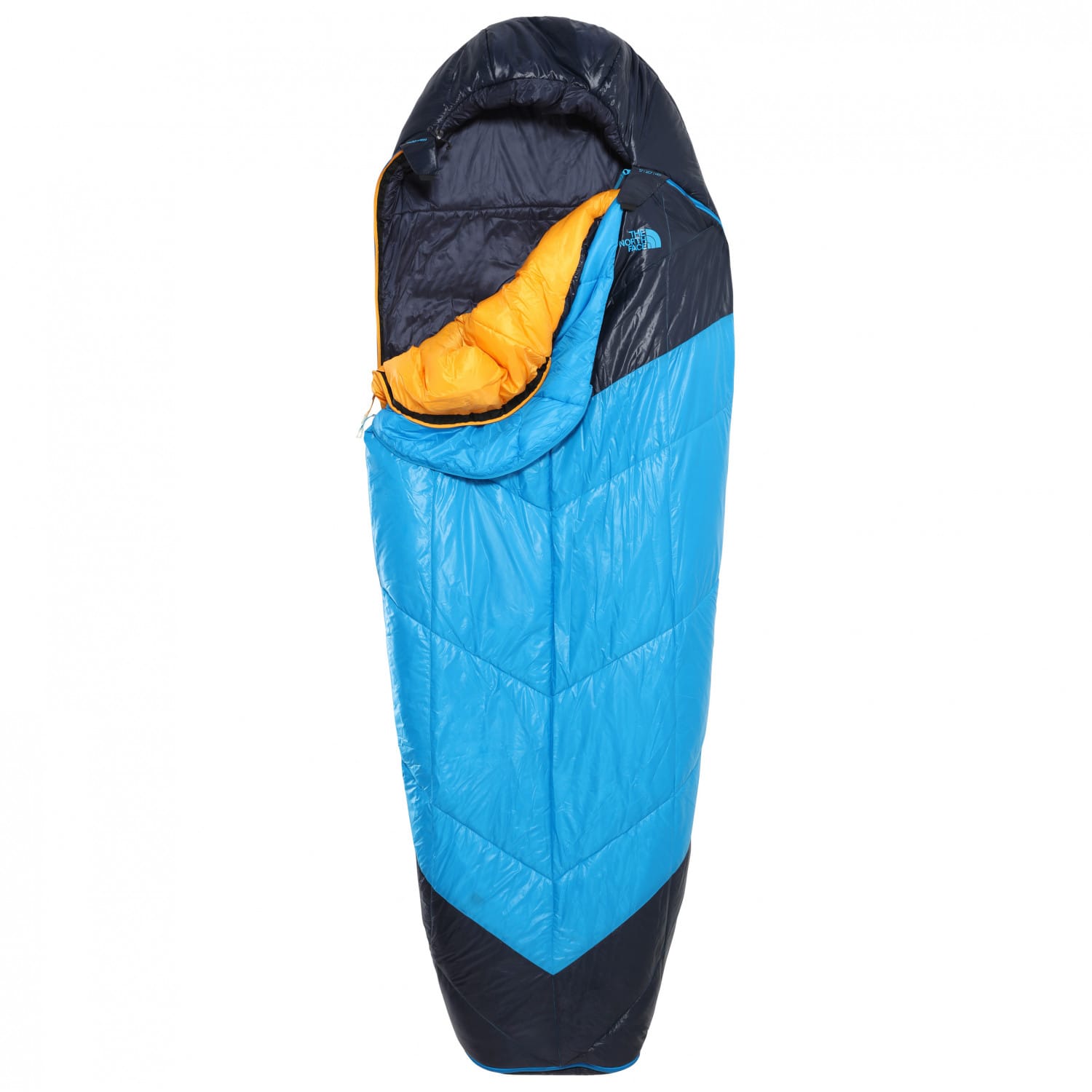
Flexible temperature coverage for campers who want one bag to handle varied trip conditions.
Big Agnes Sidewinder SL 20 Mummy Sleeping Bag
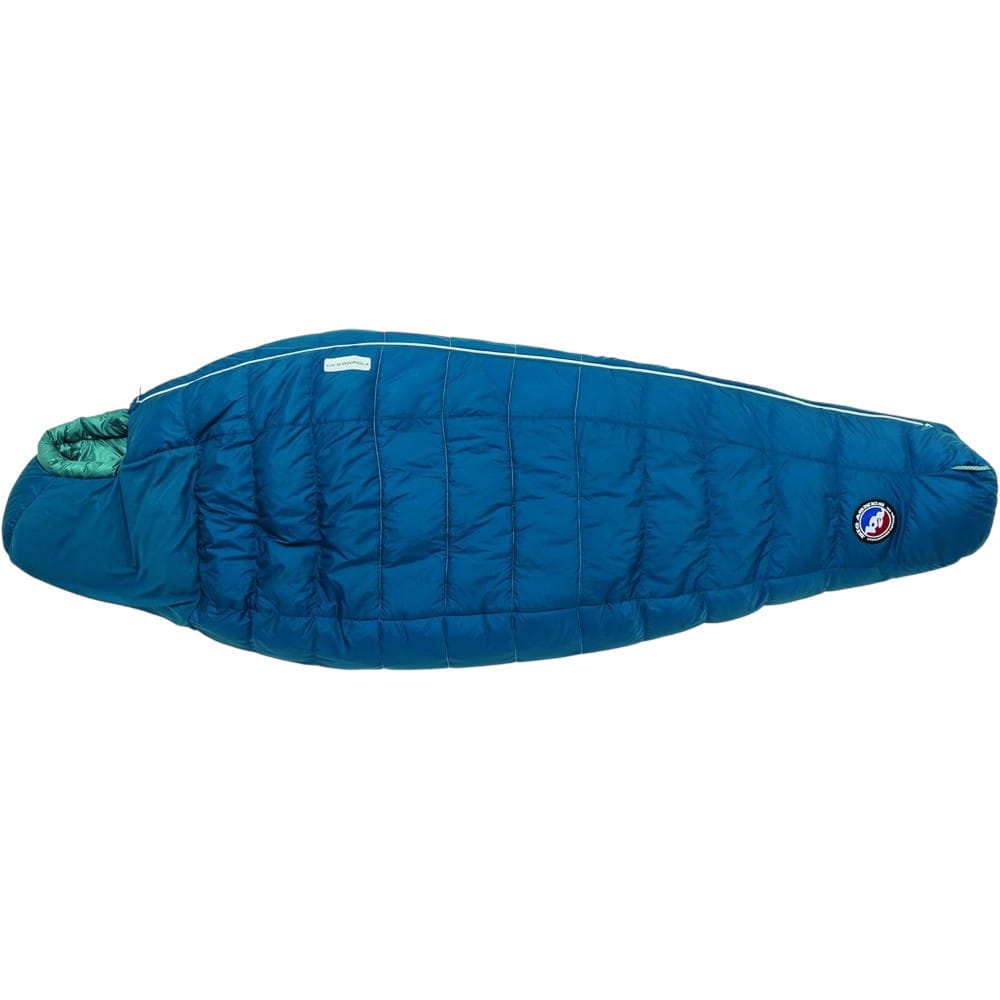
A side-sleeper-friendly mummy bag aimed at colder nights and more natural movement.
TETON Celsius XXL 0 Degree Sleeping Bag
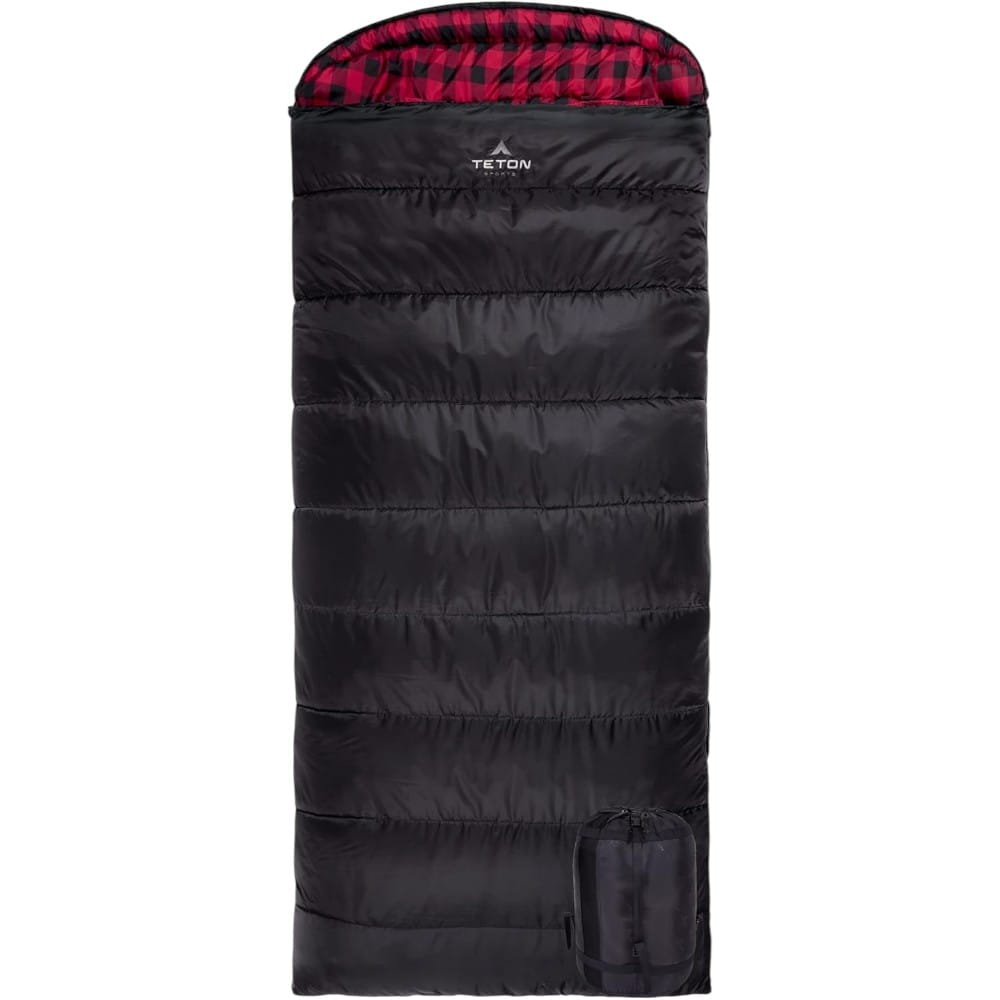
A roomy cold-weather bag for car camping, hunting camp, and base-camp comfort.
Double Bags and Roomier Comfort-Focused Options
These models lean into space and bed-like comfort. They work best for couples, relaxed campground travel, and campers who care more about sleeping room than minimizing bulk.
Kelty Tru.Comfort Doublewide Sleeping Bag
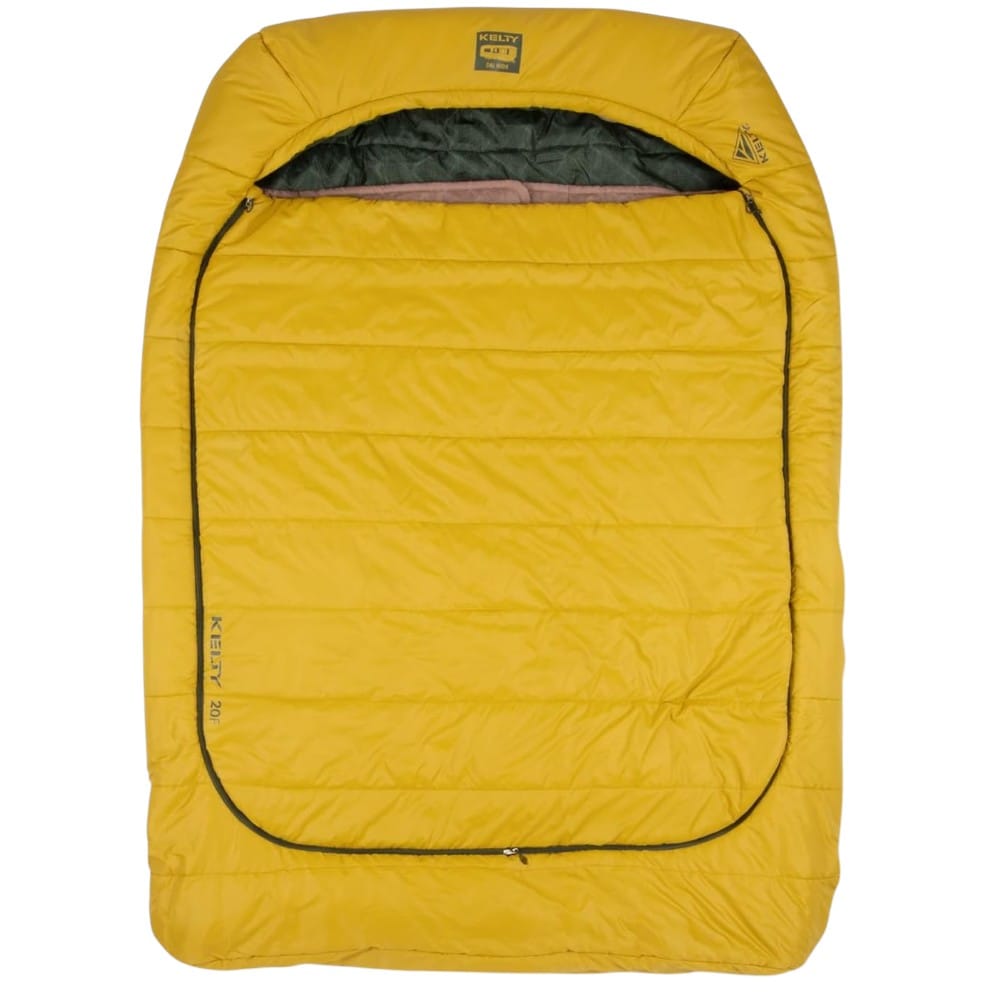
A doublewide bag built for couples who want shared warmth with better venting control.
TETON Mammoth 20 Degree Double Sleeping Bag
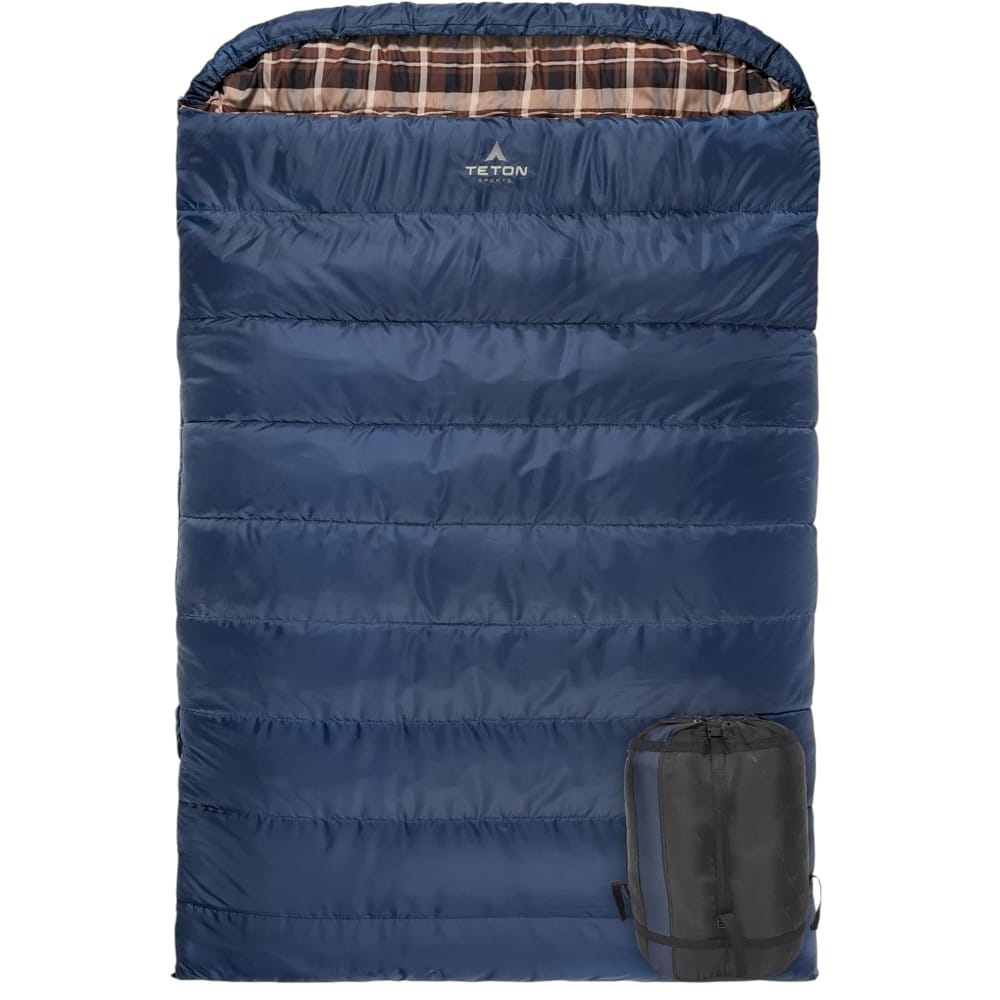
A large double sleeping bag that prioritizes space and straightforward campground comfort.
Big Agnes Dream Island Doublewide 20 Degree Sleeping Bag
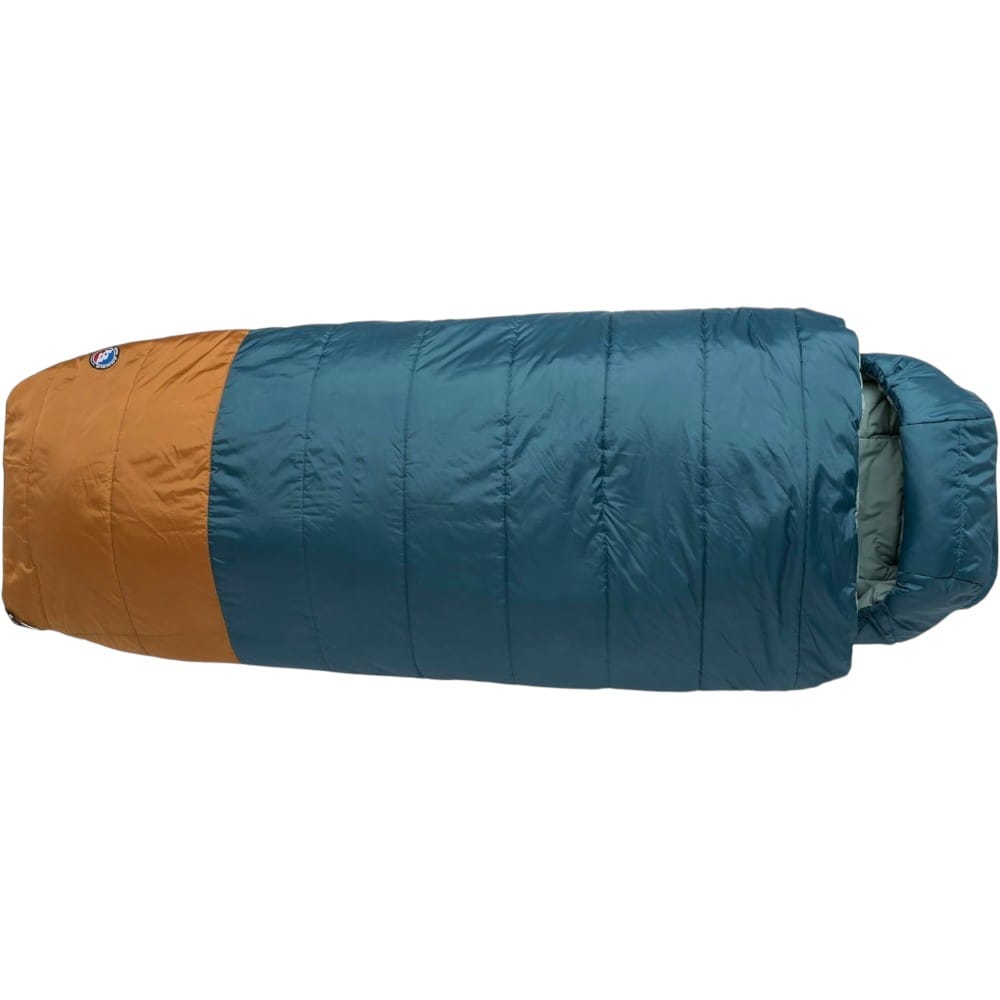
A deluxe doublewide option for couples building a plush car-camping sleep setup.
Disclosure: As an Amazon Associate, we may earn from qualifying purchases.
Product Comparison Chart – Sleeping Bags for Camping
| Product | Insulation | Shape | Best Temperature Range | Best Use |
|---|---|---|---|---|
| Kelty Cosmic 20 Down Mummy Sleeping Bag | Down | Mummy | Three-season | Balanced warmth and smaller packed size |
| Marmot Trestles Elite Eco 20 Sleeping Bag | Synthetic | Mummy | Three-season | Damp-weather dependability |
| NEMO Disco 15 Endless Promise Down Sleeping Bag | Down | Roomier spoon-style | Three-season | Side-sleeper comfort |
| The North Face One Bag | Mixed insulation system | Adaptable system bag | Wide range | One-bag versatility |
| Big Agnes Sidewinder SL 20 Mummy Sleeping Bag | Insulated mummy design | Side-sleeper focused mummy | Cool-to-cold | Natural side-sleeping fit |
| TETON Celsius XXL 0 Degree Sleeping Bag | Synthetic | Roomy rectangular | Cold weather | Budget-friendly cold campground use |
| Kelty Tru.Comfort Doublewide Sleeping Bag | Synthetic | Doublewide | Three-season | Couples needing shared comfort |
| TETON Mammoth 20 Degree Double Sleeping Bag | Synthetic | Doublewide | Cool weather | Spacious base-camp use |
| Big Agnes Dream Island Doublewide 20 Degree Sleeping Bag | Synthetic | Doublewide | Cool weather | Deluxe shared sleep setup |
Gear Comparison Guidance
Start by separating two questions that get mixed up all the time: how warm does the bag need to be, and how much room do you want inside it? Those are related, but they are not the same. A narrow mummy bag will usually hold warmth more efficiently. A roomier bag may feel far more comfortable, especially for side sleepers or campers who dislike restriction, but it usually requires more material and more space.
Then look at your storage and travel style. If your trips start with limited cargo room, a compressible three-season bag often wins. If you are vehicle camping and care more about sleep quality than squeezing gear into a tight compartment, a larger comfort-focused bag can be the better choice. The trick is not to compare everything against everything. Compare within the type of sleep setup you actually want to build.
Quick Decision Guide
- If you want one bag for the biggest slice of the camping season, start in the three-season category.
- If you often wake up on your side or with your knees bent, consider a spoon-shaped or side-sleeper-friendly bag before a standard narrow mummy.
- If you camp from a vehicle and hate feeling boxed in, a roomy rectangular or doublewide bag may improve your sleep more than a lighter technical model.
- If you expect damp weather, condensation, or casual gear care, synthetic insulation deserves a serious look.
- If storage space is tight and you need better packability, a down bag usually makes the stronger case.
Buying Considerations
- Your real lowest overnight temperature, not your optimistic guess
- Whether you sleep warm, neutral, or cold
- How much room do you need at the shoulders, knees, and feet
- Down versus synthetic based on moisture exposure and storage space
- Packed size if the bag must fit in a small RV bay, closet, or trunk
- Zippers, vents, hood shape, and draft control details that affect comfort
Accessory Ideas
- Sleeping bag liner: Adds a little warmth, keeps the inside cleaner, and makes frequent-use bags easier to maintain.
- Supportive sleeping pad: The bag handles top insulation, but the pad protects you from heat loss to the ground.
- Compact camping pillow: A better pillow often makes a good bag feel better because your whole sleep position improves.
- Storage sack: A roomy storage sack helps preserve loft between trips far better than long-term compression.
- Repair tape or patch kit: Handy for fixing small shell tears before insulation starts working its way out.
- Dry bag or waterproof duffel: Useful for keeping your sleep insulation protected during wet travel or sloppy weather.
Sleeping Bags for Camping FAQs
What sleeping bag rating should I choose for camping?
Choose a bag with some margin below the coldest conditions you realistically expect. Ratings are a starting point, not a guarantee, so your sleeping pad, shelter, clothing, and personal cold tolerance all affect how warm the bag feels.
Is down or synthetic better for camping sleeping bags?
Down is usually warmer for its weight and packs smaller, which helps when storage space matters. Synthetic is often the easier real-world choice for damp conditions, tighter budgets, and campers who want insulation that is more forgiving when moisture shows up.
Are mummy sleeping bags always warmer than rectangular bags?
Not automatically, but the shape does help. Mummy bags usually trap less empty air and seal around the body more effectively, improving the warmth-to-weight ratio. Rectangular bags trade some of that efficiency for space and comfort.
What should side sleepers look for in a sleeping bag?
Look for extra room at the knees and elbows, a spoon-shaped or side-sleeper-focused design, and enough flexibility so the bag moves with you rather than twisting awkwardly around your body. A great rating does not help much if the shape keeps waking you up.
Can two people share one sleeping bag comfortably?
Yes, but only if both sleepers want a similar warmth level and can live with the same opening and venting setup. Double bags work best for couples who already know they prefer shared bedding over separate bags.
How should I store a sleeping bag between trips?
Store it clean, dry, and loosely lofted rather than tightly compressed in its stuff sack. Long-term compression can reduce loft over time, which hurts warmth and makes an expensive bag feel tired sooner than it should.
Other Resources Like Sleeping Bags for Camping
These additional reads can help you round out the rest of your camp sleep setup and campsite comfort choices.
- RV Mattresses and Sleep Solutions
- Air Mattresses for Outdoor Camping
- Camping Pillows for Better Sleep
- Winter Camping Warmth Tips
- Campsite Setup and Organization Tips
Keep Exploring Related Camp Comfort Gear
If you are building a fuller camp comfort system, these resource pages pair well with the sleeping bag choices for camping covered above.
- Camping Chairs Resource Guide
- Camp Tables and Prep Surfaces Resource Guide
- Camping Lighting Resource Guide
- Shade, Tarps, and Shelter Resource Guide
- Outdoor Living Spaces Resource Guide
Closing Guidance
Sleeping bags for camping are one of those gear categories where comfort and performance overlap all night long. Buy too cold, and you know it quickly. Buy too cramped and you know it even faster. The best choice usually comes from matching the bag to your typical camping routine rather than buying for an imaginary expedition you may never take.
For many readers, that means starting with a three-season bag, deciding how much room they need to sleep well, and then choosing between down packability or synthetic ease. Cold sleepers should feel warmer than they think. Side sleepers should be less restrictive than they think. Couples should be honest about whether they truly like sharing bedding or just like the idea of it before bedtime.
The more clearly you sort those pieces, the easier it is to shop for sleeping bags for camping. You stop comparing every bag on the market and start comparing the few that actually fit your trips. That saves money, storage space, and frustration. For the fuller reasoning behind these tradeoffs, go back to the chapter and use this page as the shortlist companion while you narrow the field.
Last updated: 4/26


