


What You’ll Find on This Page
This page gathers the gear categories, product recommendations, and related reading that support Chapter 5 of Camp Comfort Gear Essentials. The chapter is all about building a campsite using a portable camp shelter to make it feel less like a frying pan and more like a place you actually want to sit for a while.
You will find the main portable camp shelter options, shade tarps, and screen rooms, along with gear picks and buying tips, in Chapter 5 of Camp Comfort Gear Essentials. types covered in the chapter, including tarpaulins, canopies, sun shades, screen rooms, gazebos, and pop-up shelters. Each one solves a slightly different problem. Some are better for fast shade on a beach day. Others make more sense when you want a defined cooking area, a dry place to stash gear, or a bug-free spot to eat dinner after the sun drops.
This page is meant to work beside the book, not replace it. Use it when you want a quick reference for the products mentioned in the chapter, when you are comparing portable camp shelter styles before a trip, or when you need a cleaner shortlist for shopping. The chapter explains the bigger picture, like how wind direction, coverage, setup style, and campsite layout affect comfort. This page provides the gear list and follow-up links so you can put those ideas to work.
If you have ever cooked in blazing sun, chased a loose napkin across a windy site, or spent an evening slapping mosquitoes instead of relaxing, you already know why this chapter matters. A good portable camp shelter setup changes the whole mood of a campsite. It adds shade, structure, breathing room, and a little bit of sanity when the weather decides to be difficult.
FIELD TIP:
Shade becomes far more important after the first hot afternoon at camp. Even a simple tarp or portable shelter can create a cooler place to cook, relax, and escape direct sun during long summer days.
Quick Gear Summary
- Tarpaulins
- Canopies
- Sun Shades
- Screen Rooms
- Gazebos
- Pop-Up Shelters
- Windbreak use for cooking and comfort
- Shade planning for RV sites, beach camps, and group camps
- Weather protection for gear storage and outdoor living
Product Recommendations by Category
The products below represent commonly recommended options within the categories discussed in this chapter.
Tarpaulins – Recommendations
Tarpaulins work well for campers who want flexible coverage and don’t mind handling lines, poles, and pitch angles. They are handy over camp kitchens, gear zones, and seating areas where you want rain coverage, airflow, and control over how the shelter sits.
Aqua Quest Defender Tarp
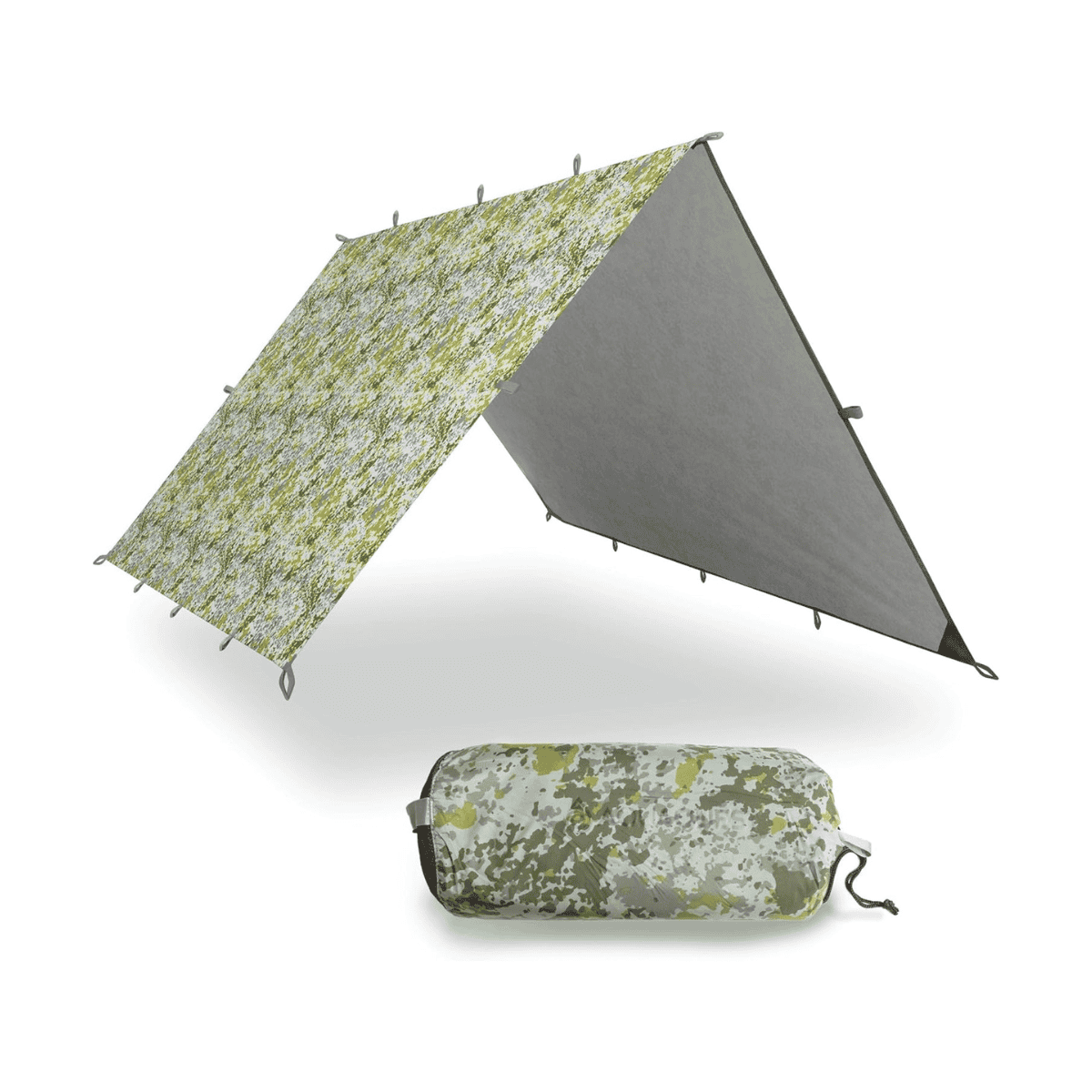
70D nylon with an extra-thick dual coating, reinforced webbing, bar-tacked tie-outs, and precision stitching

Wise Owl Outfitters Rain Tarp
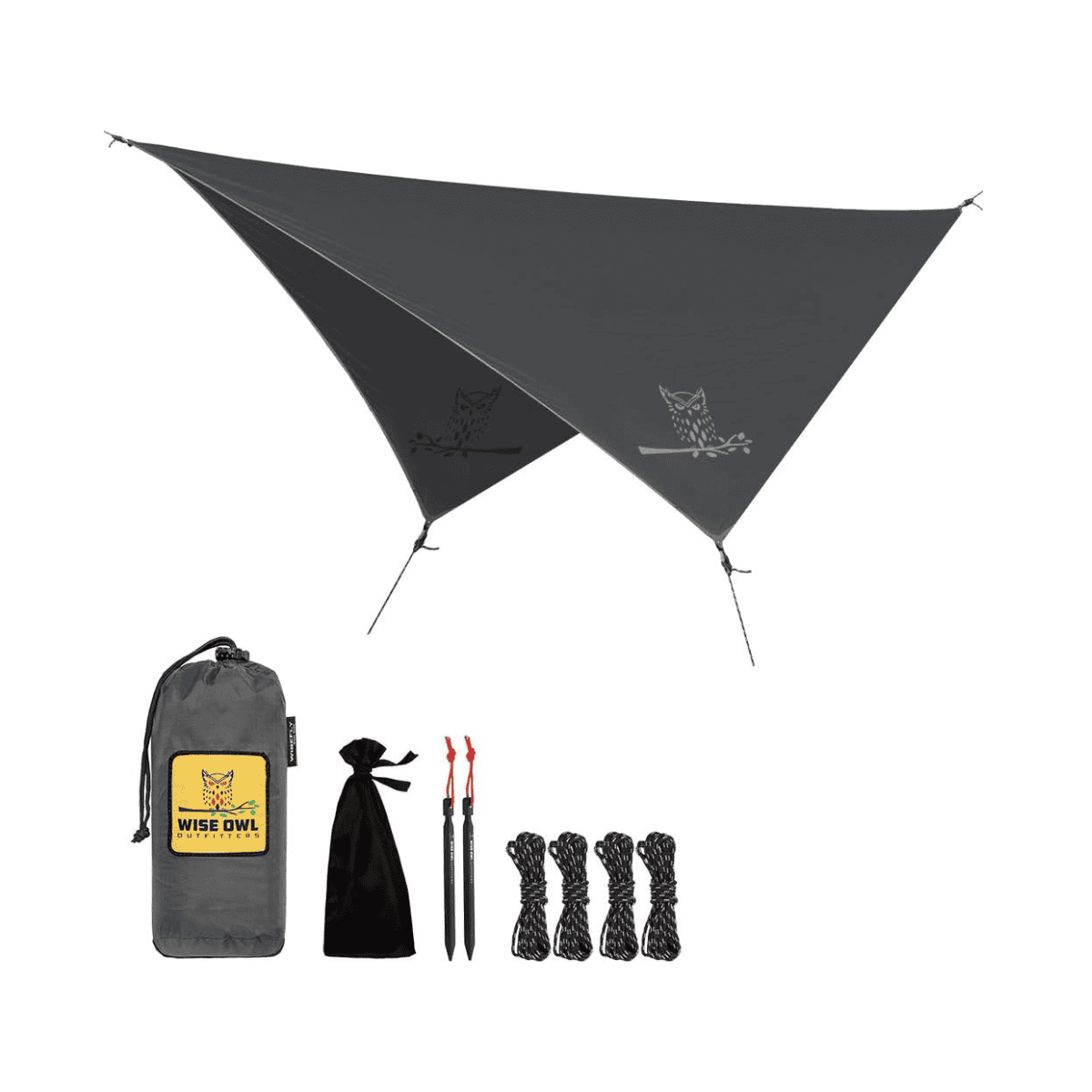
Made with ripstop waterproof nylon and PU-coated to withstand 3000 mm of water pressure
Canopies – Recommendations
Canopies are a strong fit for RV campers, family sites, and anyone who wants fast shade with defined headroom. They make it easy to create an outdoor room for cooking, eating, or hanging out without fussing with a tarp pitch every time.
Coleman Instant Canopy
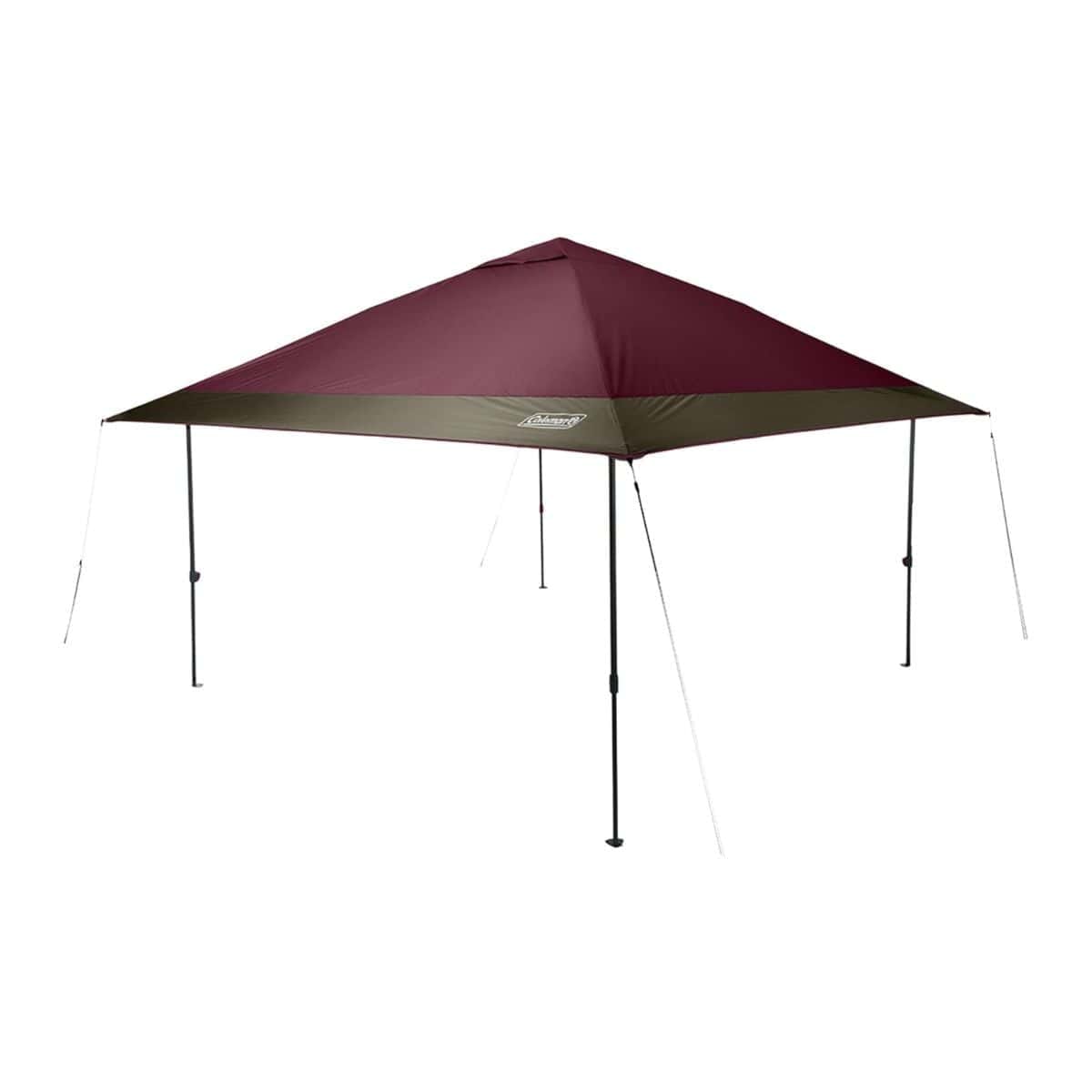
Withstands winds up to 35 mph when fully staked to the ground with guy lines.
ABCCANOPY Heavy-Duty Canopy
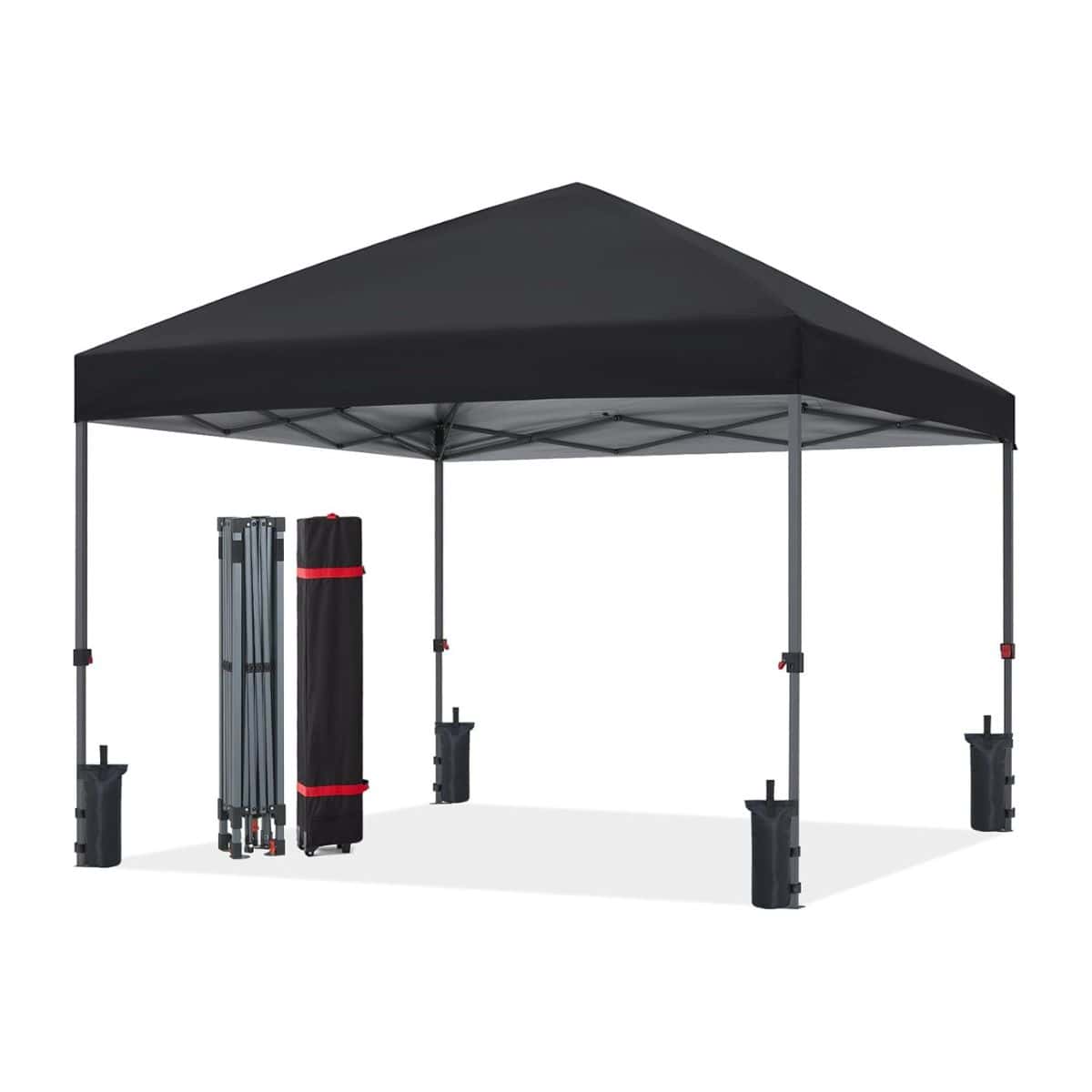
You can enjoy 100 square feet of real shadow. Singing, Dancing, BBQ, or enjoying leisure time.
Sun Shades – Recommendations
Sun shades are best for open sites, beaches, and roadside stops where UV exposure is high and natural shade is scarce. They usually pack smaller than framed shelters, which makes them easier to carry when storage is tight.
Neso Grande Sun Shade
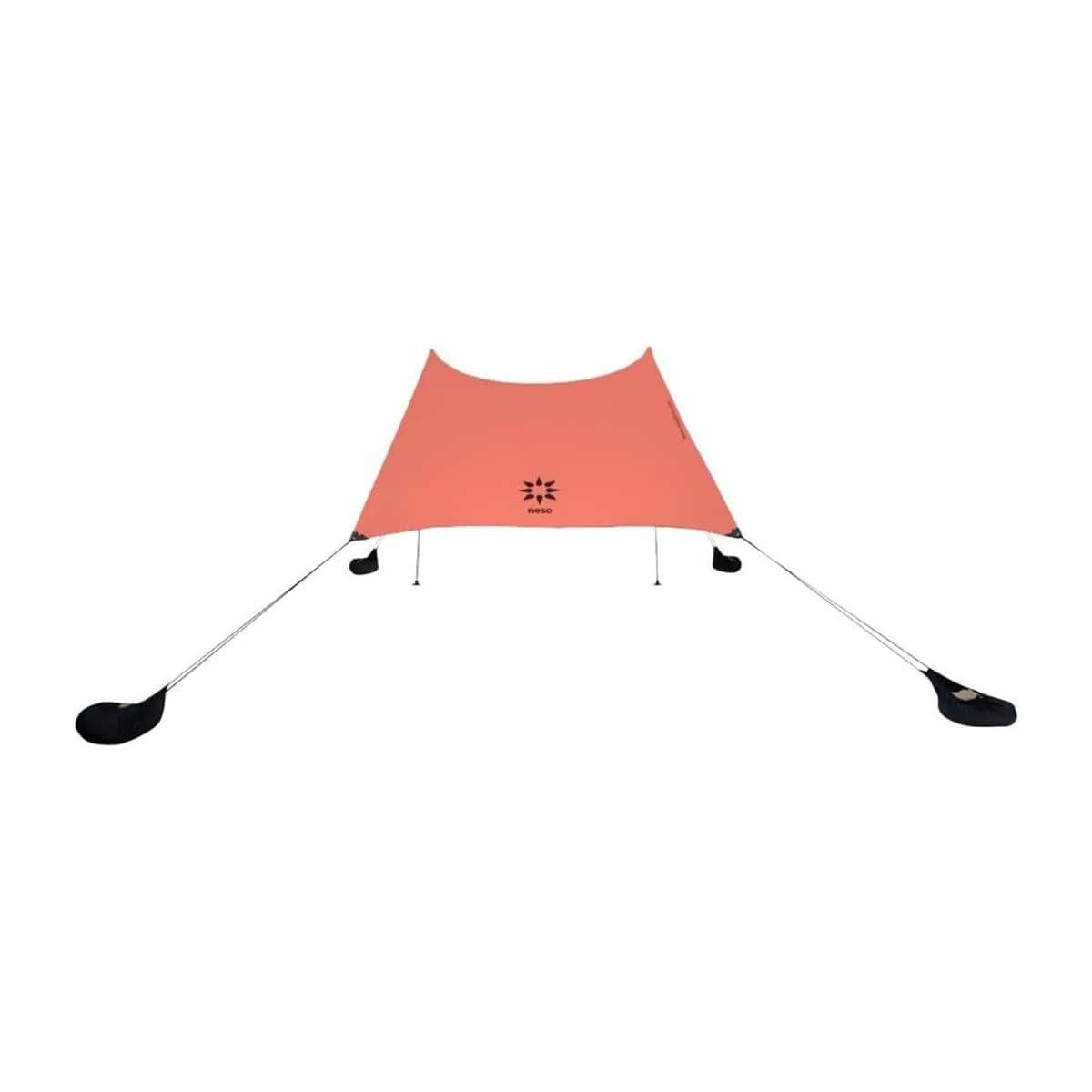
The simple, two-pole design allows for quick setup in minutes
Shibumi Beach Shade
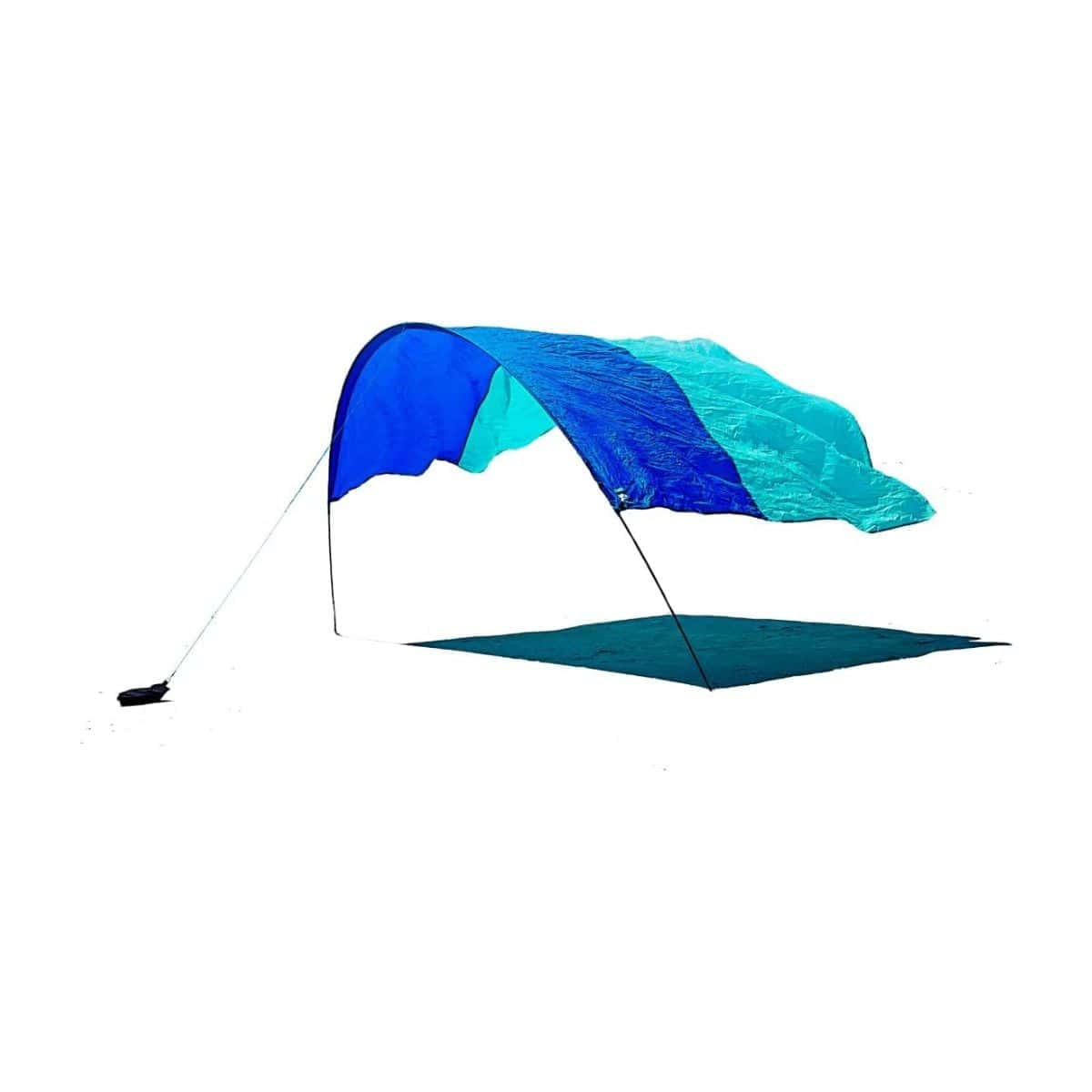
1 Person can assemble in 3 minutes
Screen Rooms – Recommendations
Screen rooms make sense for humid campgrounds, lakeside sites, and mosquito-heavy areas where being outdoors is great in theory and itchy in practice. They create a more livable evening space for meals, reading, and relaxing without becoming bug bait.
Coleman Screened Shelter

Enjoy outdoor meals bug-free inside the enclosed mesh walls
CLAM Quick-Set Escape
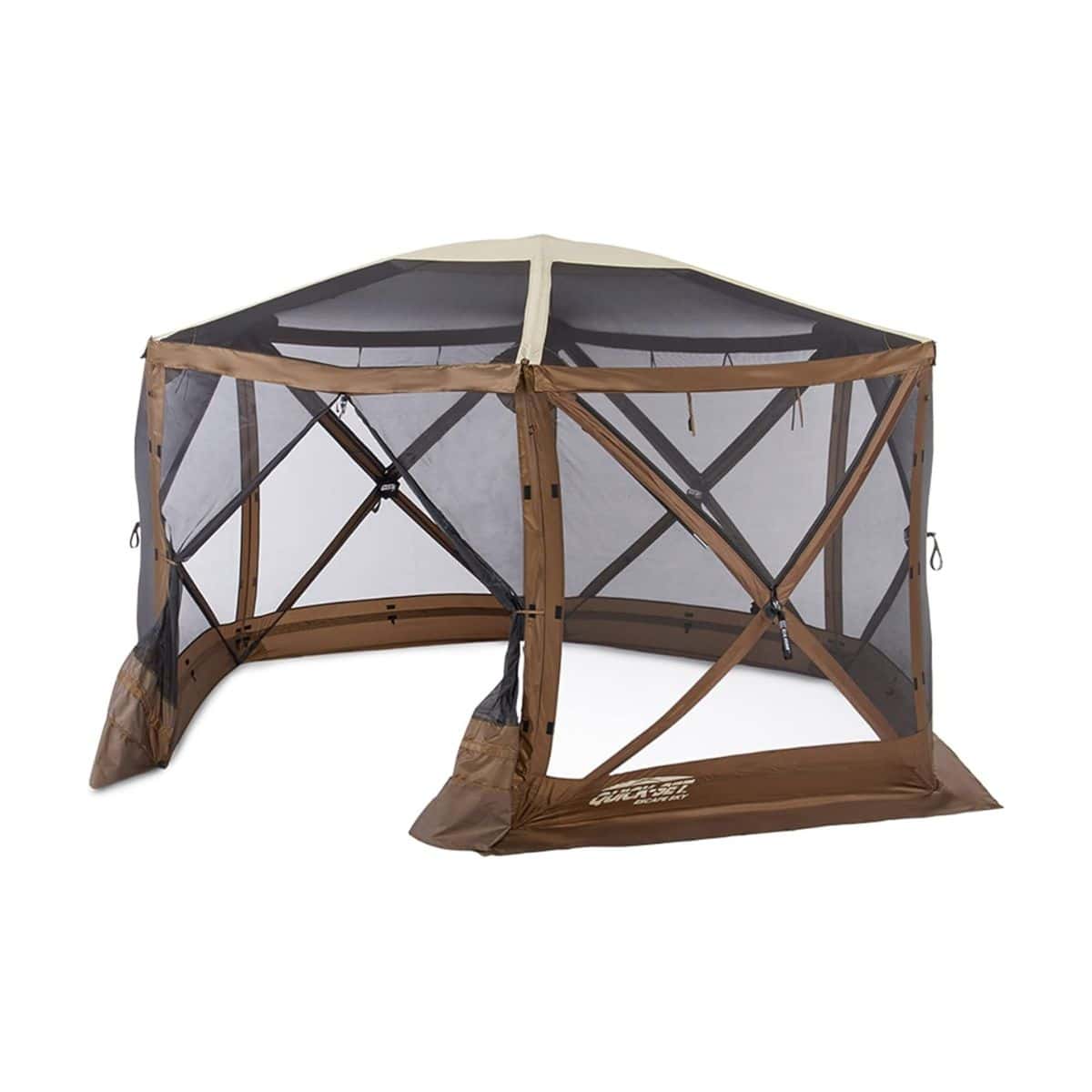
Sets up in 60 seconds or less with integrated hubs and pre-attached poles
Gazebos – Recommendations
Gazebos are aimed at campers who want a larger, more structured outdoor living area. They work especially well for longer stays, group trips, and social camps where people need room to sit, eat, and move around without crowding each other.
Gazelle T4 Hub Gazebo
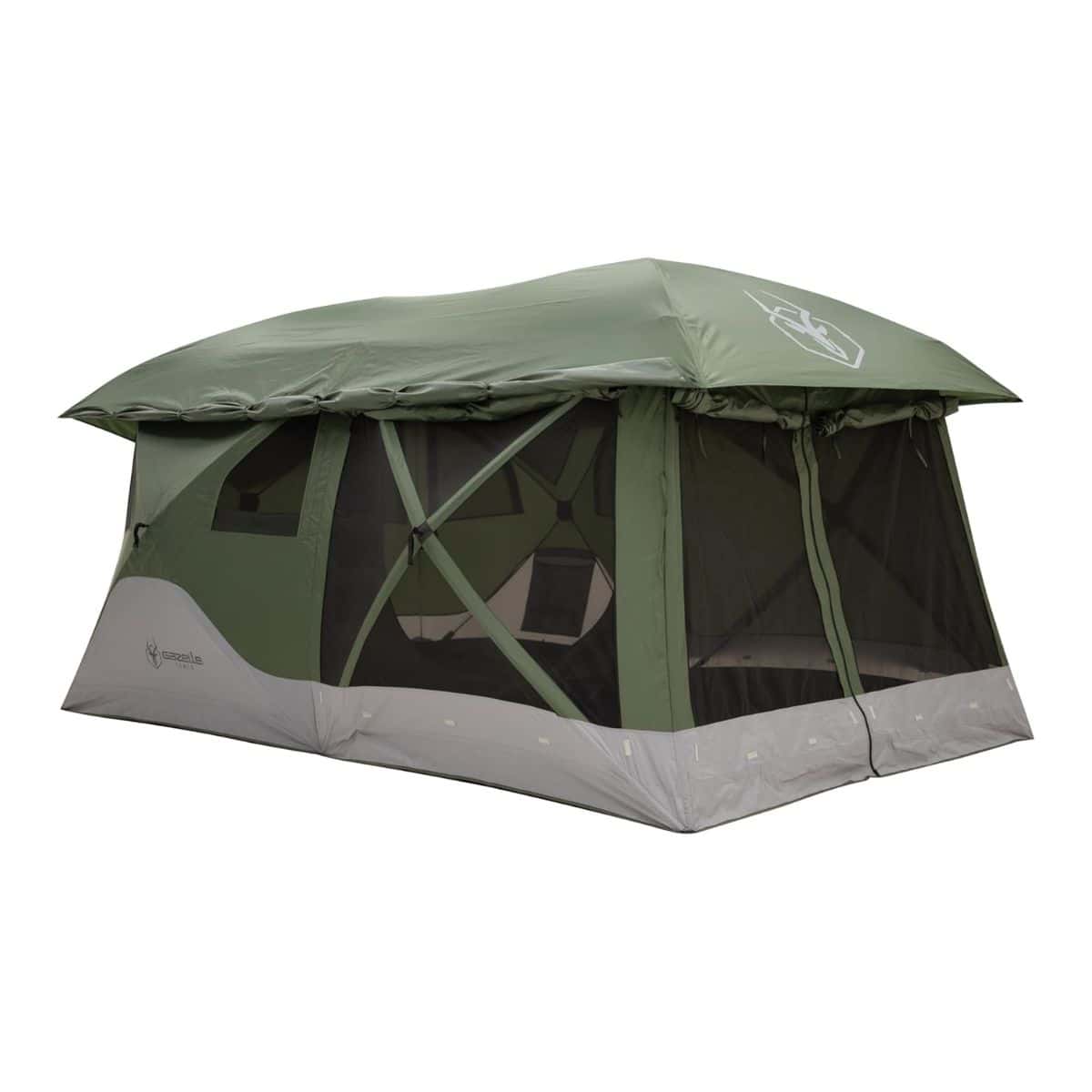
Convertible screen room for additional leisure or sleeping area
Alvantor Screen House
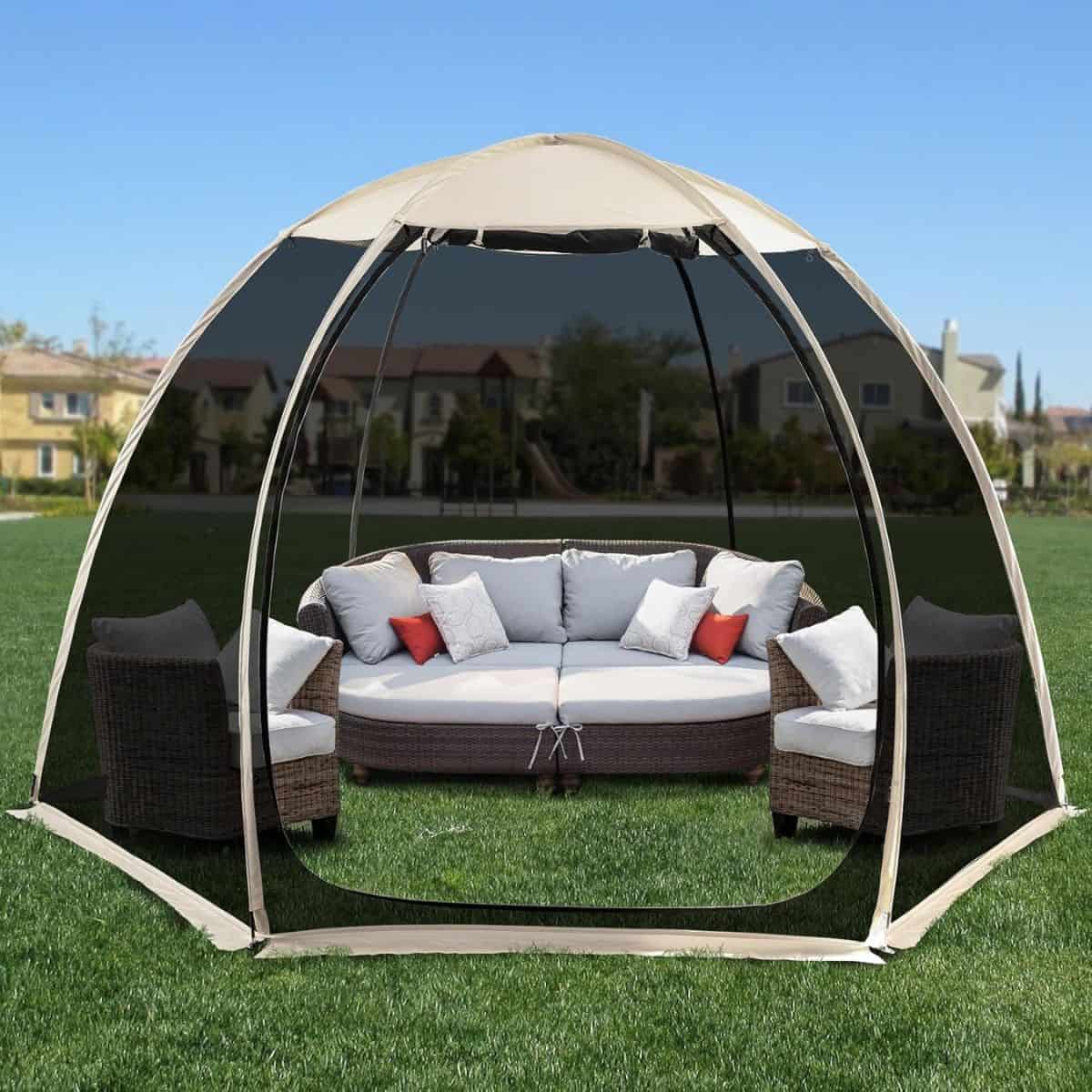
Mesh Tent adopts a Snap-fit pop-up structure, with no assembly required
Pop-Up Shelters – Recommendations
Pop-up shelters are for short stops, casual beach use, and quick shelter when convenience is king. They are easy to like because setup is fast, but they are not the tool for rough weather or gusty camps where sturdier structures win.
Pacific Breeze Easy Setup Shelter
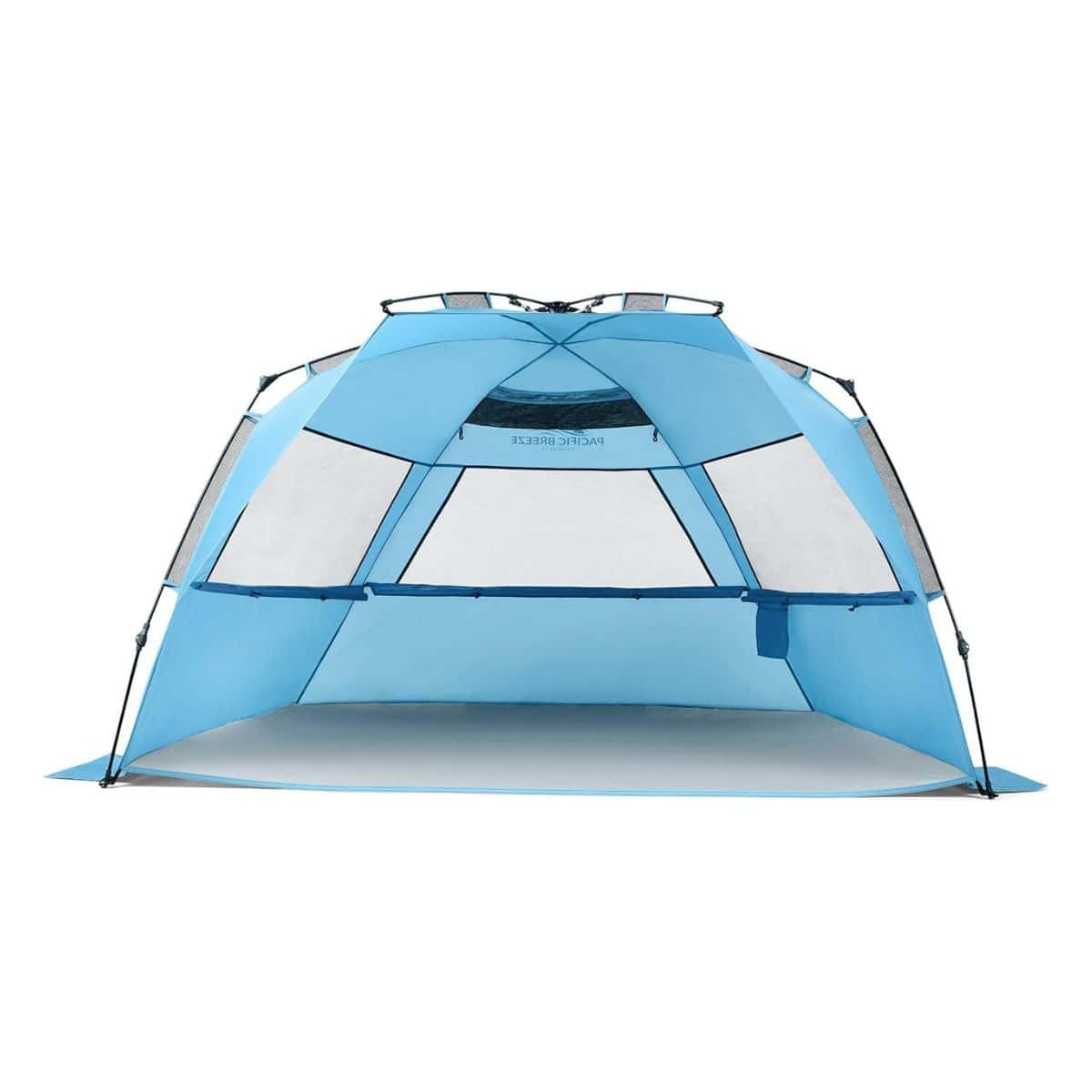
Specially designed hub system showcases industry-leading design
Coleman Beach Shade Shelter
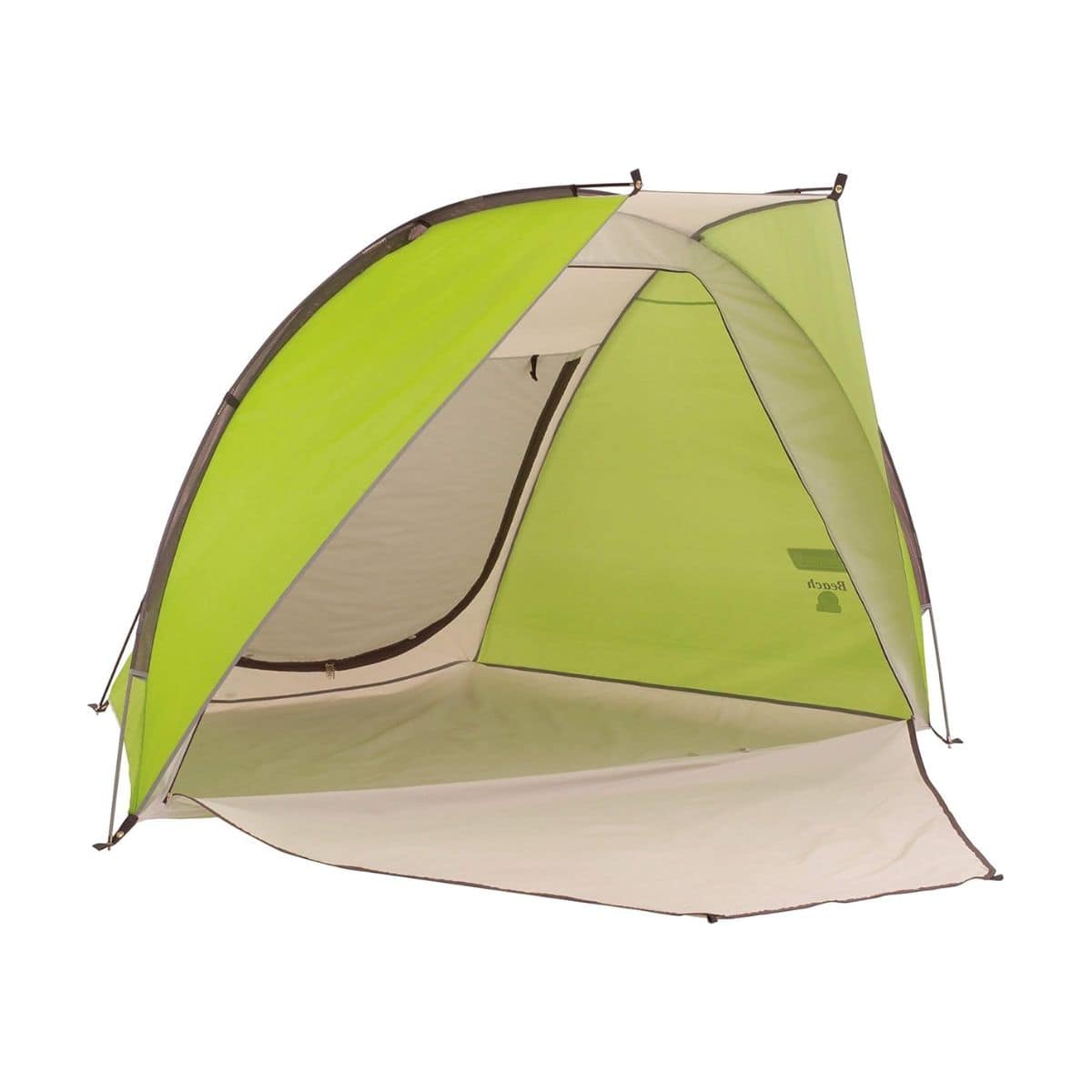
UVGuard material offers UPF 50+ sun protection

Disclosure: As an Amazon Associate, we may earn from qualifying purchases.
Gear Comparison Guidance
The best portable camp shelter is usually the one that matches how you camp, not the one with the flashiest feature list. Tarps give you the most flexibility, but they require more skill and patience. Canopies are easier for everyday campground use, though they take up more space in storage and can be fussier in windy conditions if not secured well.
Sun shades and pop-up shelters shine when portability matters most. They are great for beach days, picnic stops, and fast breaks, but they are not the first thing I’d trust when the weather gets bossy. Screen rooms and gazebos take up more space and usually cost more, yet they can completely change how livable a campsite feels, especially during bug season or longer stays.
Think about headroom, anchoring, setup time, and how much weather protection you really need. Also, think about what you are trying to protect. A shaded chair is nice. A dry cooking area, a cooler zone, and an evening hangout are better. That is where the right portable camp shelter earns its keep.
Buying Considerations
- expected weather and wind exposure
- shade coverage needed during the day
- packed size and RV storage limits
- frame strength and anchoring needs
- set up speed and complexity
- bug protection requirements
- beach use versus campground use
- headroom for cooking or standing
- space for chairs, tables, and gear
- durability for frequent trips
Accessory Ideas
- Extra guy lines – Helpful for windy sites and better control over tarp pitch angles.
- Heavy-duty stakes – Better holding power in mixed soil than the skinny throwaway ones.
- Sand anchors or sandbags – Useful for beach shelters and loose ground.
- Tarp poles – Add height and flexibility when trees are not where you want them.
- Leg weights for canopies – A smart backup when a site pad does not stake well.
- Clip-on lights – Handy for turning a portable camp shelter into an evening dining or game area.
FAQ: Common Questions About Portable Camp Shelter
Are tarps better than canopies for camping?
It depends on how you camp. Tarps are more flexible and often pack smaller, which is great for multipurpose use. Canopies are easier for predictable shade and a tidy campsite layout. One is a multitool. The other is a folding table. Both help, but in different ways.
Which type of portable camp shelter works best for RV camping?
For many RV campers, a canopy or screen room works best because it creates a defined outdoor living area with fast setup and good headroom. Tarps can work well too, especially over cooking areas, but they usually require more adjustment and practice to get right.
Do I really need a screen room?
If you camp by water, in humid regions, or during bug season, yes, a screen room can be a game-changer. It gives you a place to eat, read, or relax outside without spending the evening swatting at the air like you’re directing traffic.
What matters most when choosing a beach shade?
Look at the packed size, anchoring method, airflow, and how well it handles shifting sun and breeze. Beach shelters should be easy to move and quick to reset. A heavy-framed shelter can work, but it is often more trouble than it is worth on sand.
How much portable camp shelter coverage should a campsite have?
Think in activity zones. You usually want enough coverage for seating, cooking, and at least a small dry area for gear. Too little coverage feels cramped. Too much can be hard to anchor and manage. Match the portable camp shelter size to what you actually do at camp.
Other Resources
- RV Awning Parts and Accessories: A Comprehensive Guide
- Learn How to Build an RV Carport: 5 Simple Steps to Get the Job Done Right
- Outdoor Cooking Equipment for Beginners – Camping Guide
- 20 Outstanding Bug Repellents for RV Camping to Keep the Bugs Away
- 7 RV Safety Essentials: Fire, First Aid, and Emergency Equipment
- RV Window Shades: A Complete Guide to Sun Protection on Wheels
- The Complete Guide to Upgrading Your RV Window Shades
Keep Exploring Camp Comfort Gear
- Camp Comfort Gear Essentials – Camp Chairs That Don’t Wreck Your Back – Recommended Gear & Resources (Chapter 1)
- Stay Hydrated on the Road with These 15 Premium RV Water Filters
- LED RV Lighting Fixtures
Closing Guidance
Shade and shelter gear does more than block sunlight. It changes how the whole campsite functions. A good setup gives you a place to cook without squinting into the sun, sit outside longer, keep gear dry, and dodge bugs when the evening air turns thick. That is a lot of work from a few pieces of fabric and a frame.
The smart move is to match your portable camp shelter setup to your camping style. Beach campers and day-trippers usually want lighter, faster options like sun shades and pop-up shelters. RV campers often get more value from canopies, screen rooms, and gazebos because they create a real outdoor room beside the rig. Tarps are the wildcard. They can do a little bit of everything, but they reward campers who are willing to learn how to pitch them well.
It also helps to think in trade-offs. Lighter gear is easier to pack, but it usually gives up some strength. Bigger portable camp shelters are more comfortable, but they take up more space and require more effort to secure. Fast setup is great, but wind stability can matter a lot more when the forecast starts acting suspiciously.
At the end of a long day outdoors, comfort matters. A shaded chair, a dry stove area, and a calm place to eat can turn a rough site into a good one. That is the real lesson in this chapter. Portable camp shelter gear is not just about protection from the weather. It is about making outdoor living easier, more comfortable, and a whole lot more enjoyable.
When you are comparing options, return to Chapter 5 and use it alongside this page. The book gives the reasoning. This page gives the quick-reference gear list. Put the two together, and you will make better campsite decisions with fewer “well, that was dumb” moments.
Date Updated: 03/26


