


What You’ll Find on This Page
Sleep gear usually wears out by inches, not by miles. A bag loses loft bit by bit. A topper starts holding a body groove. A pad that was fine last season is now leaking slowly. This page pulls together the practical side of keeping camp sleep gear working longer, along with the cleaners, protectors, repair tools, storage helpers, and replacement options that fit the chapter.
You will find camping sleeping gear care coverage for sleeping bags, camp pillows, air mattresses, self-inflating pads, RV mattresses, mattress toppers, and the smaller bedding pieces that often take the brunt of camp grime. Some products here help prevent damage before it starts. Others are useful once a seam, a puncture, an odor problem, or a storage mistake has already occurred. A few are here because there comes a point where patching old gear is just putting a fresh bandage on a flat tire.
Use this page beside the chapter, not instead of it. The chapter explains how to clean different sleep items without shortening their life, how to store gear so it keeps its loft and shape, and how to tell the difference between a repair worth doing and a replacement you should stop postponing. This page keeps the gear references in one place so you can move faster when you need a cleaner, a repair kit, a mattress protector, or a better replacement plan before your next trip.
PRACTICAL TIP:
If a sleeping bag, topper, or pad goes back into storage even slightly damp, the damage starts before the next trip even hits the calendar.
Quick Gear Summary
- Cleaners for synthetic shell fabrics and down insulation
- Mattress and topper protection for RV and camp sleep setups
- Repair tape and sealants for punctures, seam wear, and shell damage
- Breathable storage gear for preserving loft between trips
- Replacement options for pads, mattresses, toppers, and pillows that no longer perform
Product Recommendations by Category
The products below represent commonly recommended options within the categories discussed in this chapter.
Camping Sleeping Gear Care and Protection Accessories
, the products that help you keep your sleeping gear clean, protected, and easier to manage before it gets expensive.
Nikwax Tech Wash
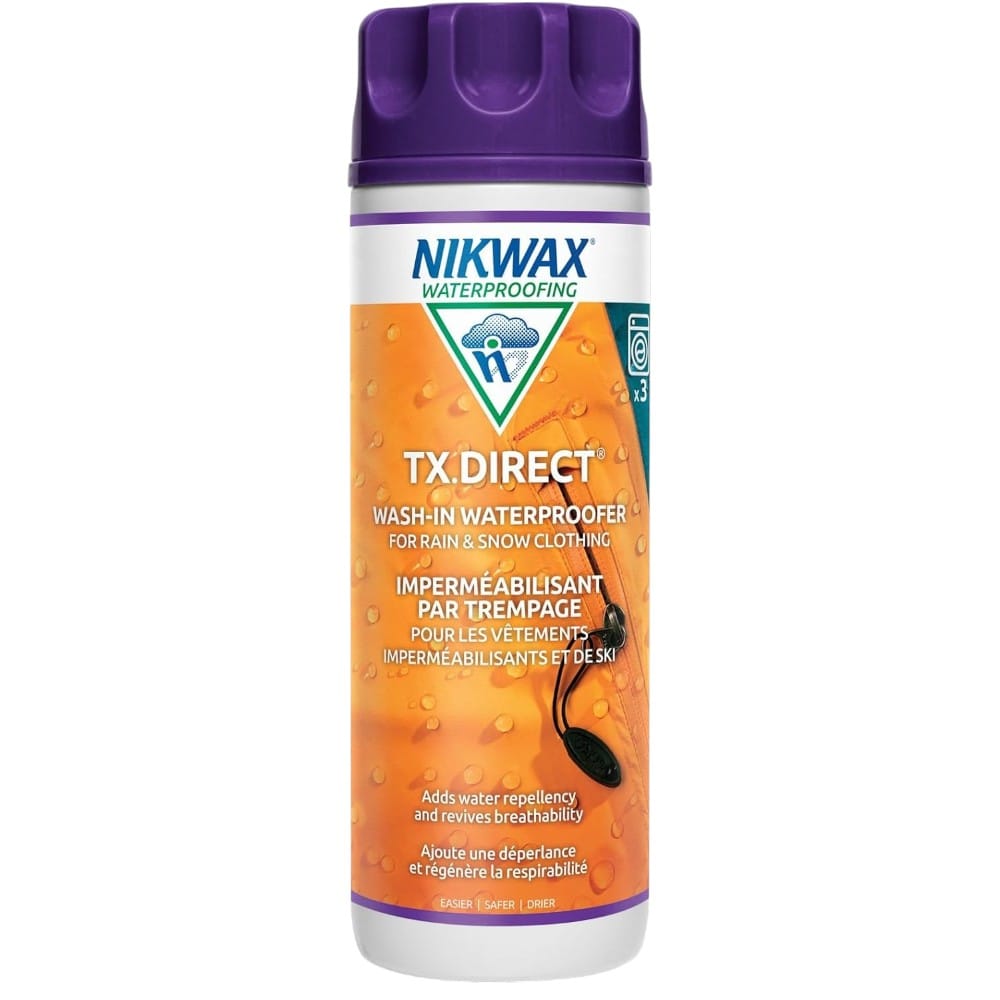
Technical cleaner for synthetic sleeping gear shells, liners, and washable camp bedding with light grime buildup.
Nikwax Down Wash.Direct
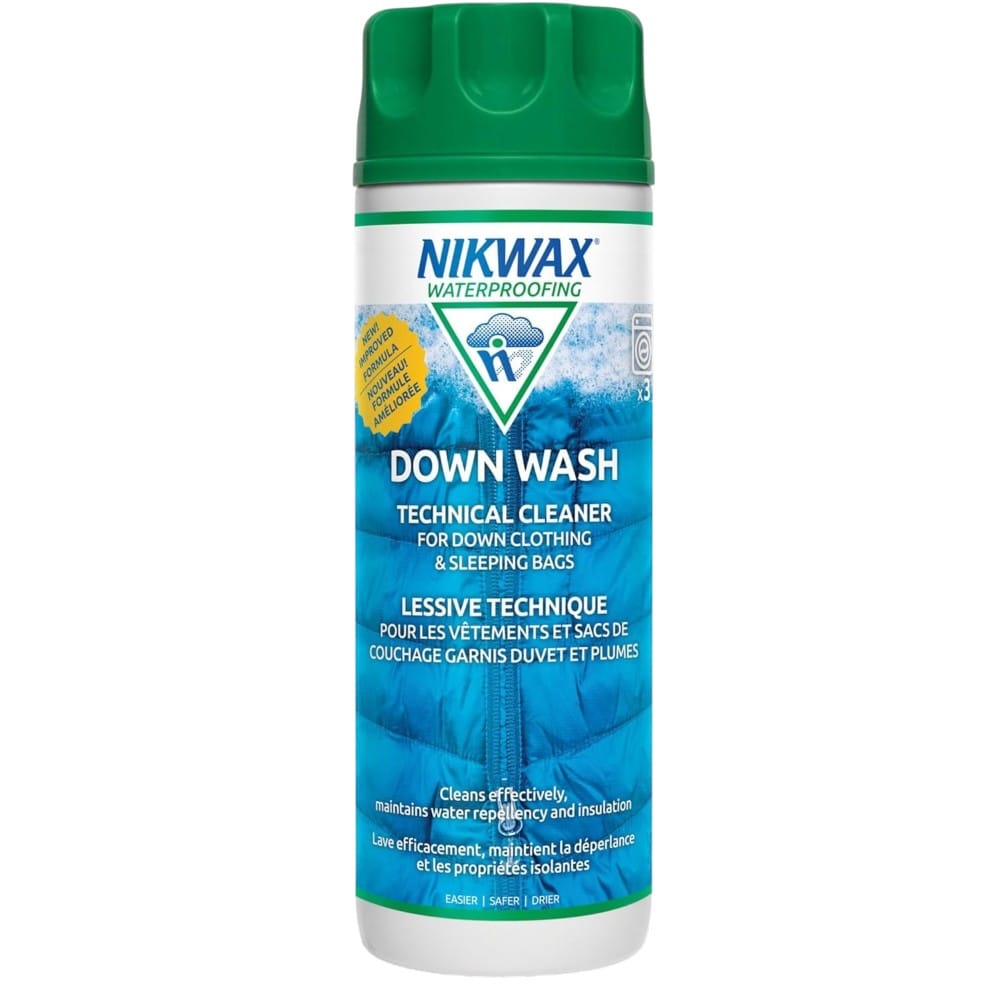
Down-specific cleaner for sleeping bags and camp blankets that need washing without crushing the loft.
SafeRest Waterproof Mattress Protector
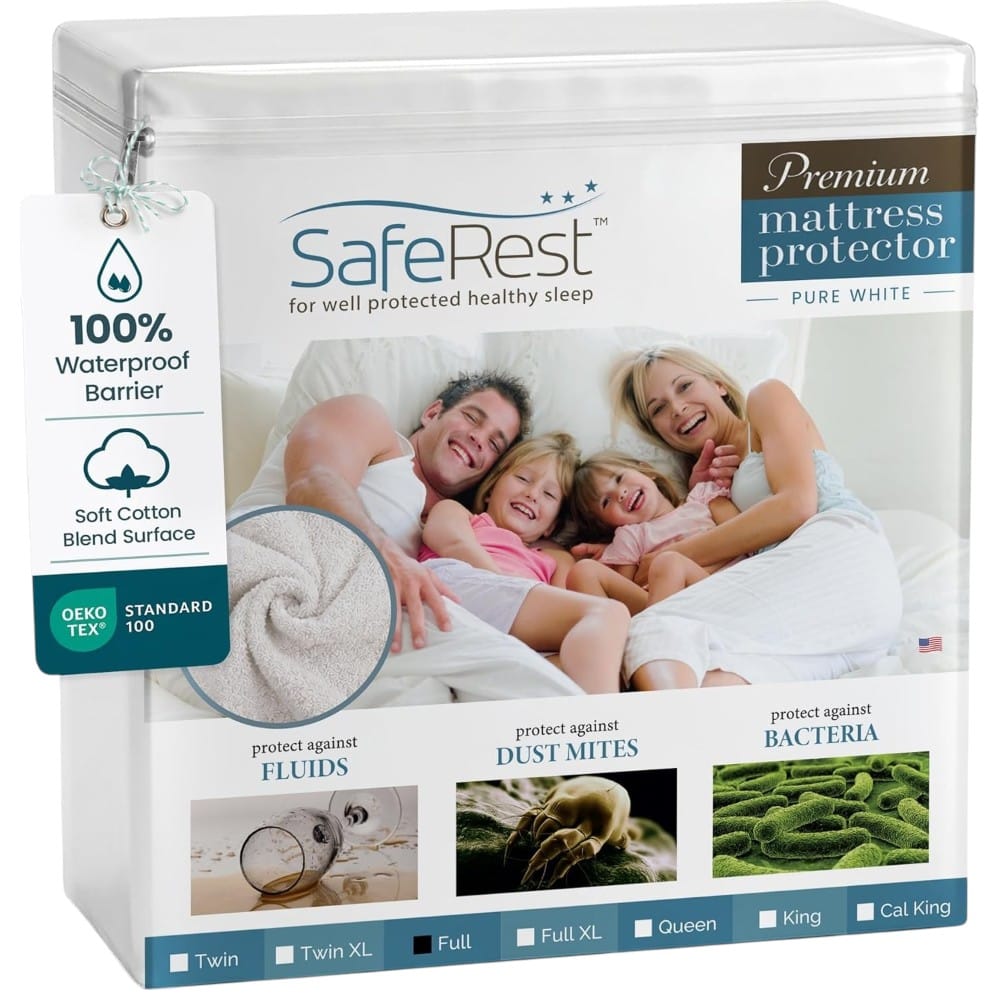
Waterproof barrier that helps shield RV mattresses and toppers from sweat, spills, pet mess, and grime.
Repair, Patch, and Storage Helpers
These pieces are the quiet workhorses of sleep-gear upkeep. They help stop small failures from becoming miserable nights.
GEAR AID Tenacious Tape Repair Tape
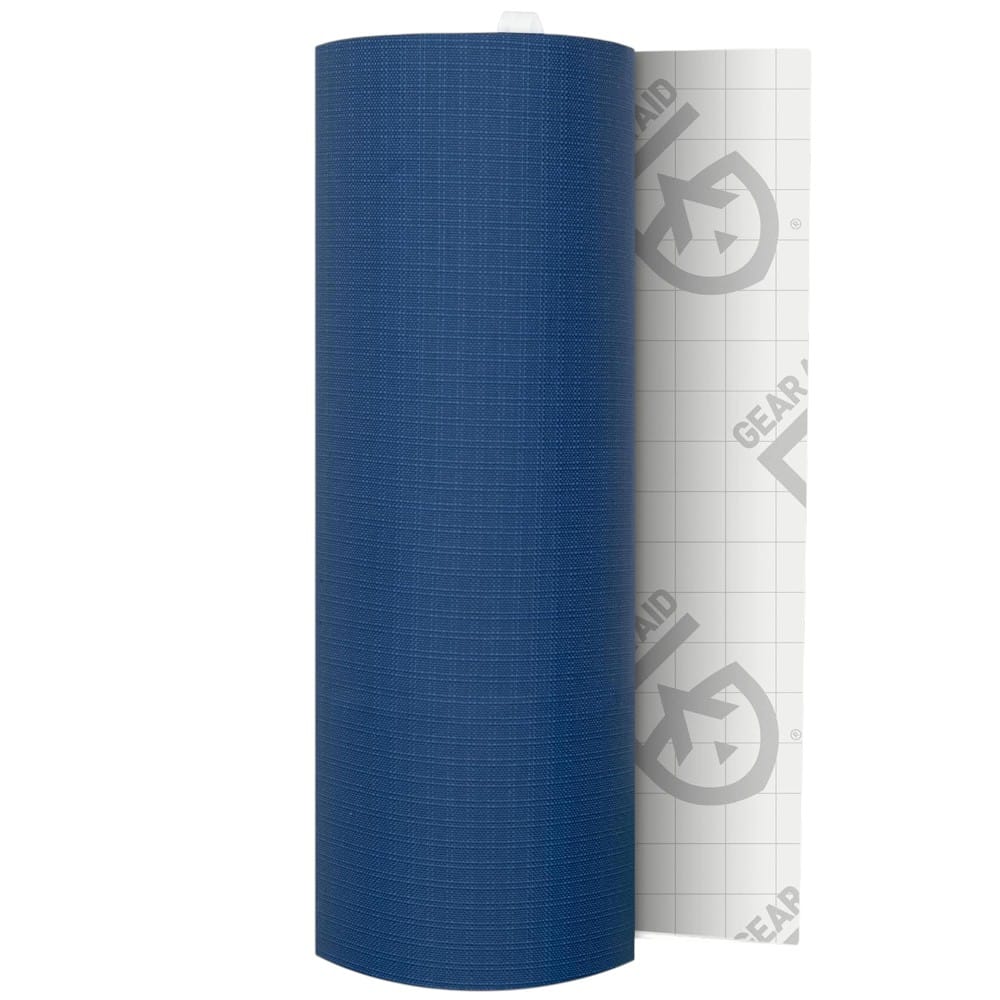
Fast patch tape for small tears on sleeping bags, pads, stuff sacks, and camp fabric shells.
GEAR AID Seam Grip WP Camp & Trail Repair Kit
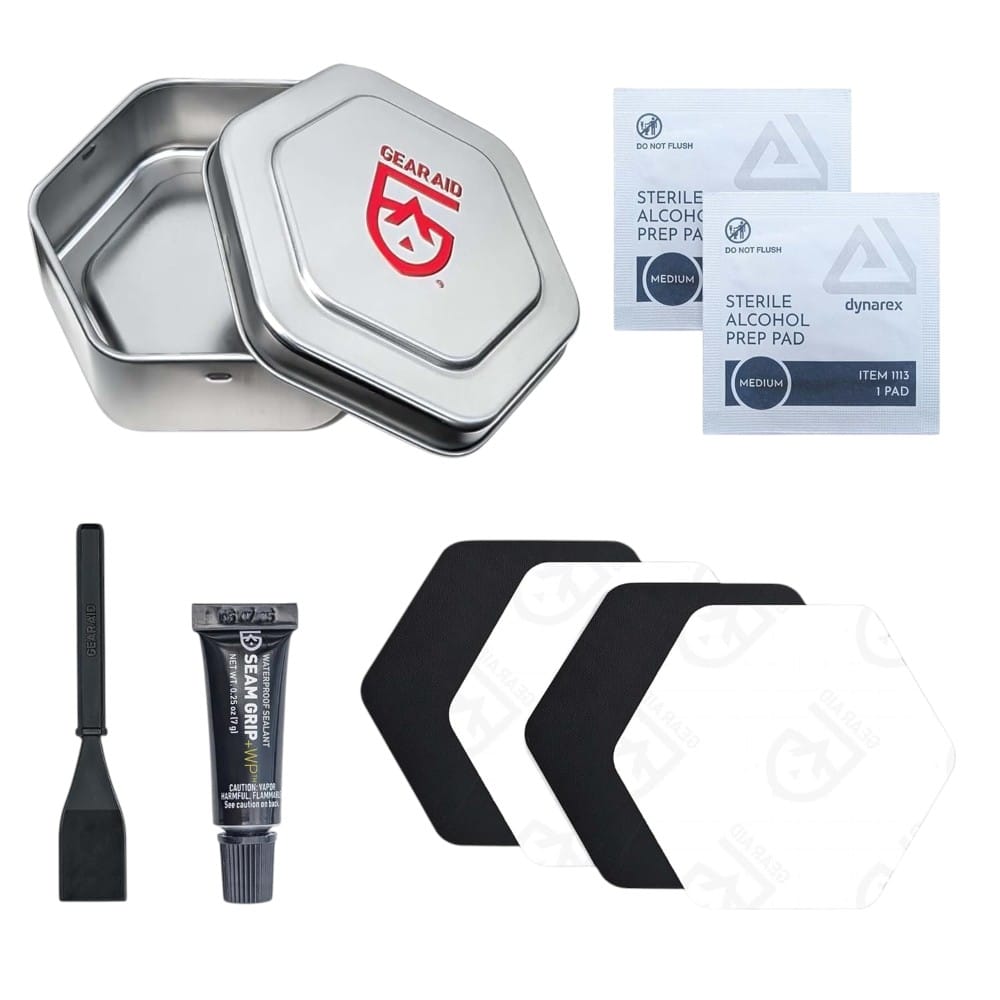
Compact repair option for small punctures, seam touch-ups, and leak-prone inflatable sleep gear.
COCOON 100% Cotton Sleeping Bag Storage Bag
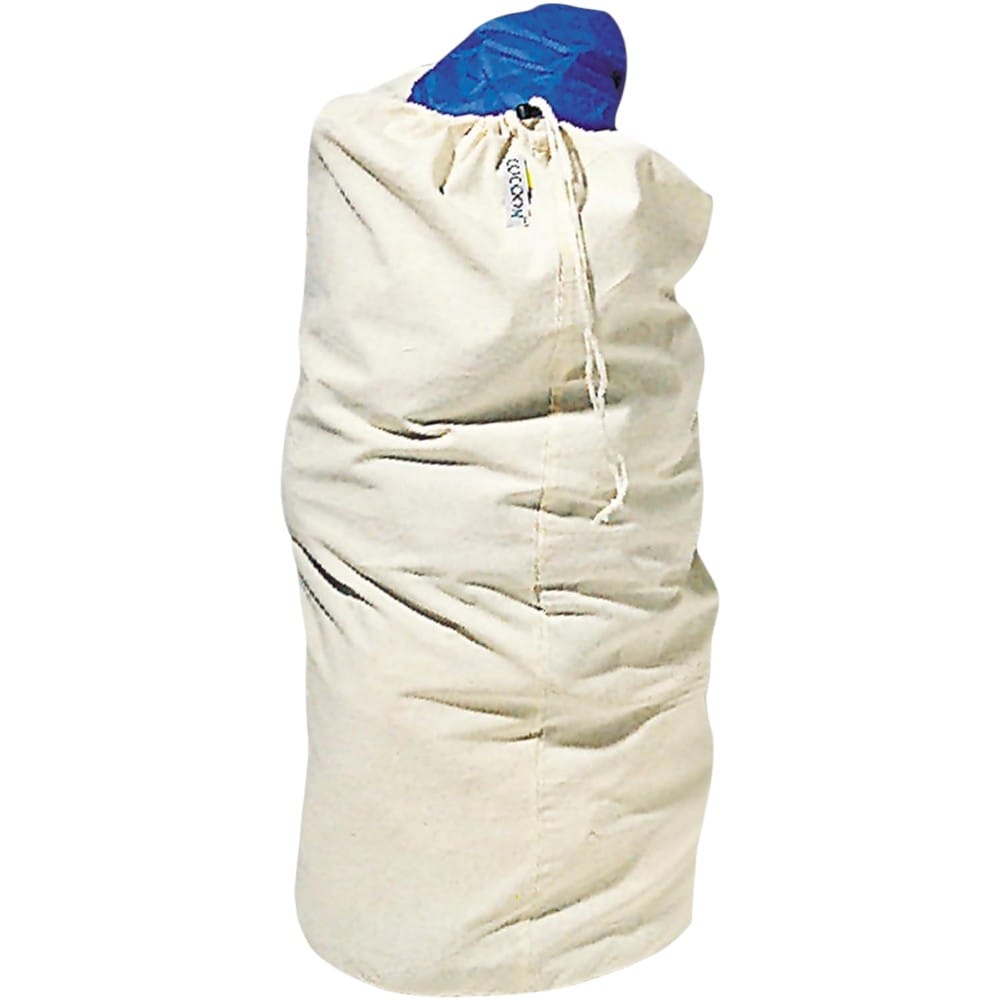
A breathable storage bag that helps sleeping bags keep their loft instead of staying crushed for months.
Replacement-worthy Upgrade Categories
These options make sense when old sleep gear still exists, but confidence in it has left the building.
Therm-a-Rest NeoAir XLite NXT
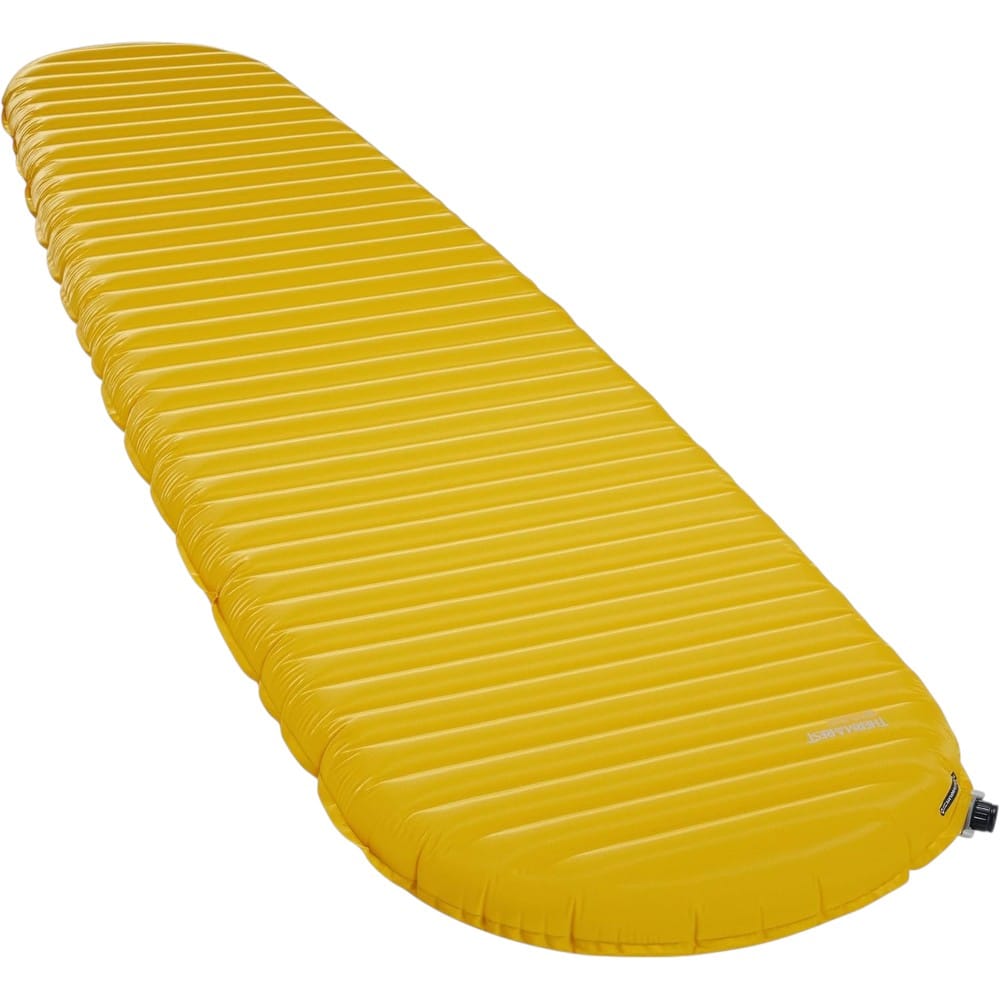
Lightweight replacement pad for campers moving on from aging inflatables that no longer provide dependable comfort.
HEST Foamy Camping Mattress Pad
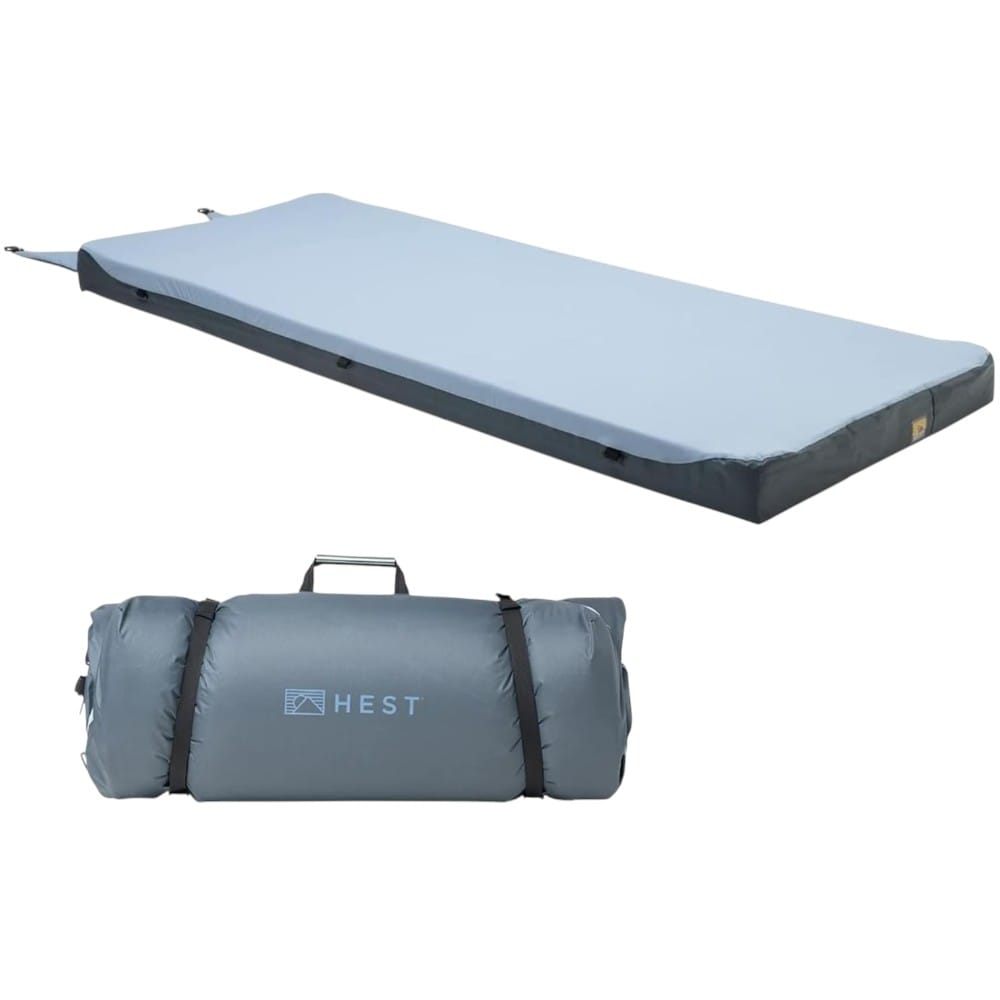
Foam-based camp mattress upgrade for sle,epers done fighting leaks, thin padding, or tired support.
Etekcity Camping Air Mattress with Rechargeable Pump
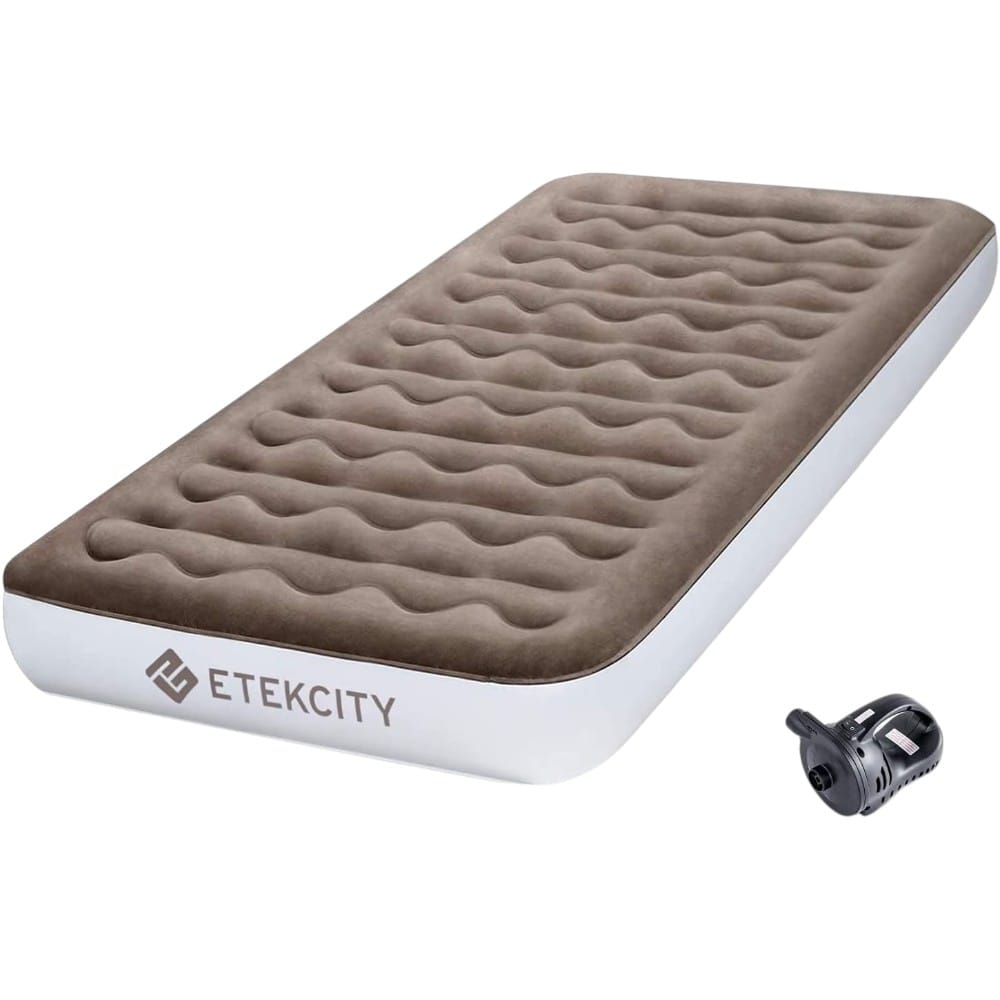
Budget-friendly air-bed replacement for campers who want an easier setup and fewer pump hassles.
Therm-a-Rest Compressible Cinch Camping and Backpacking Pillow
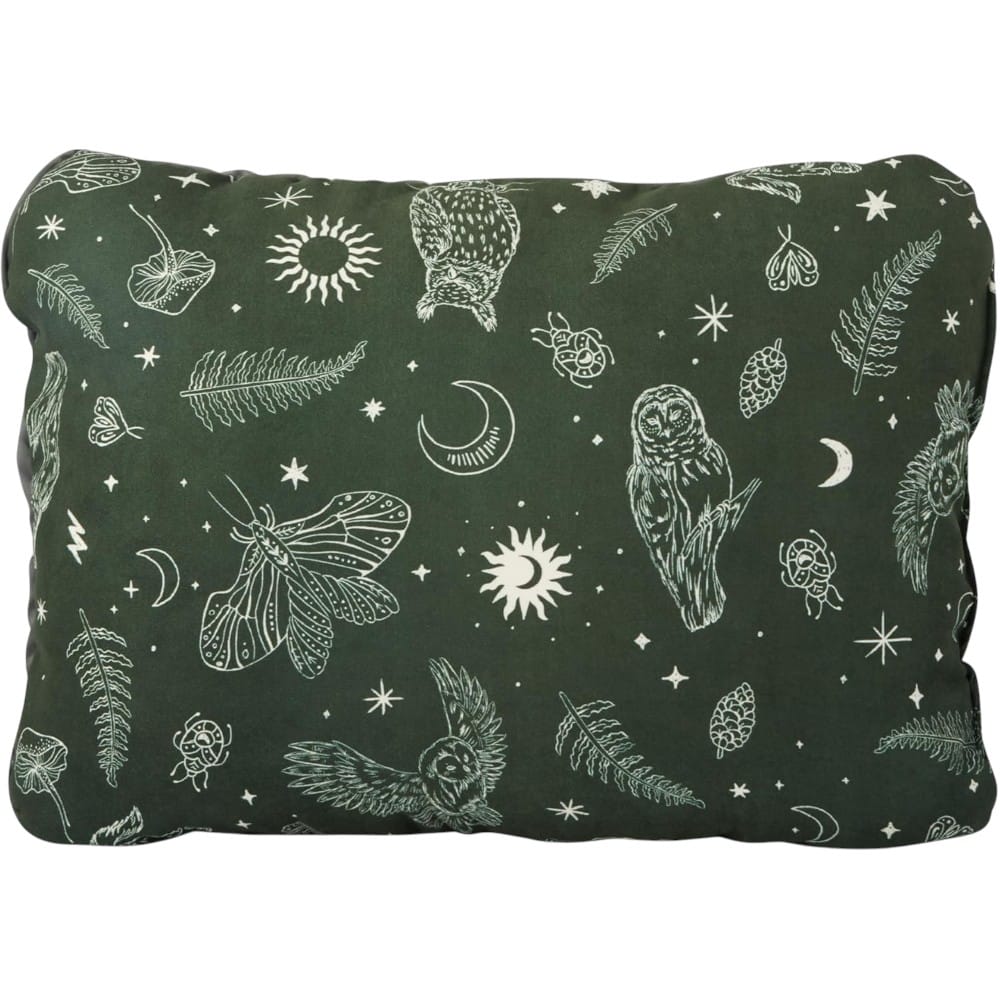
Supportive camp pillow replacement for flat, slick, or underfilled pillows that quit doing their job.
TEMPUR-Adapt + Cooling 3-Inch Mattress Topper
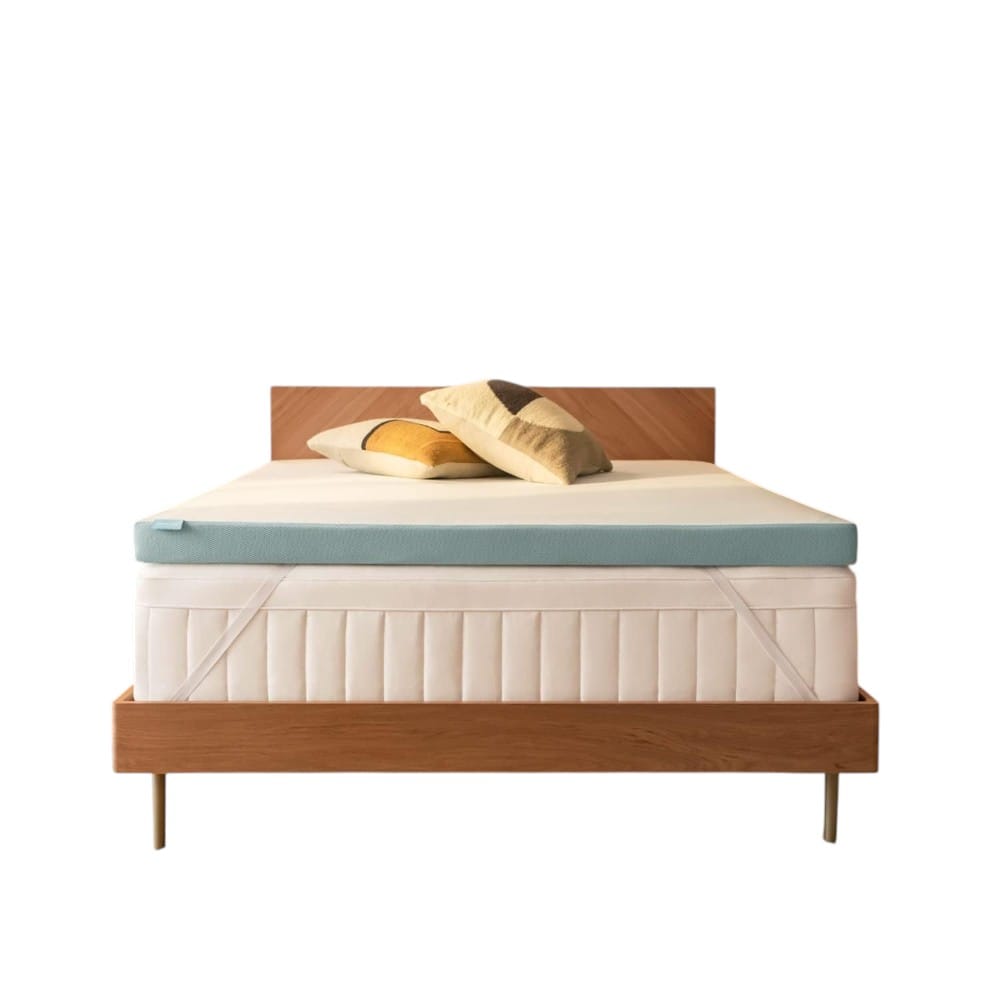
Pressure-relief topper option for RV sleepers trying to rescue a usable mattress without replacing it.
Disclosure: As an Amazon Associate, we may earn from qualifying purchases.
Gear Comparison Guidance
The big trade-off here with sleeping camping gear care is not only comfort. It is also whether you are trying to protect current gear, fix gear that still has honest life left, or replace gear that keeps asking for second chances it has not earned. Cleaners and protectors matter most when the core item still performs well. Repair kits make sense when the problem is small and isolated, such as a puncture or shell tear. Storage helpers are cheap insurance for lofted gear that gets crushed between trips. Replacement products belong in the conversation once support, loft, seal quality, or trust has dropped far enough that every trip starts with a backup plan.
Quick Decision Guide
- If your sleeping bag still feels warm but smells tired or looks grimy, start with a proper cleaner before shopping for a replacement.
- If your air pad loses pressure overnight but the damage is minor, try a patch or seam repair before retiring it.
- If your topper or pillow stays flat after airing out, replacement is usually smarter than another cleaning cycle.
- If you keep storing lofted gear in tight travel sacks, fix the storage habit before blaming the gear.
- If your RV mattress is still structurally usable but too firm, a topper may solve the problem without a full mattress swap.
Buying Considerations
- Match the cleaner to the insulation and fabric type
- Look for protection that adds a barrier without trapping too much heat
- Choose repair items that suit the material you are actually patching
- Store lofted gear in breathable containers, not tight sacks
- Replace gear when support, loft, or air retention has become unreliable
- Think about campsite style, storage room, and how often the gear gets used
Accessory Ideas
- Sleeping bag liner: Reduces how often the bag itself needs a full wash.
- Ventilated mattress underlay: Helps reduce trapped moisture under RV mattresses.
- Microfiber camp towel: Useful for wiping condensation, spills, and damp sleep surfaces before packing.
- Mesh laundry bag: Keeps pillow covers, liners, and small bedding items organized between trips.
- Moisture absorber packs: Handy in RV bedrooms and gear bins where humidity likes to linger.
Camping Sleeping Gear Care FAQs
How often should I wash a camping sleeping bag?
Only wash a sleeping bag when it truly needs it. Frequent washing adds wear, especially on down gear. Air it out after each trip, spot-clean small messes, and use a full wash when dirt, odor, or reduced performance tell you it is time.
What is the best way to store a mattress topper in an RV?
Keep the topper dry, clean, and aired out before storage. If space allows, store it flat or loosely rolled instead of tightly folded. Check underneath it for trapped moisture from time to time, because dampness is one of the fastest ways to shorten topper life.
Can I repair a slow leak in an air mattress, or should I replace it?
You can often repair a slow leak if the damage is small and the valve and seams are still in decent shape. Replacement becomes the better call when leaks keep returning, seam failures spread, or you no longer trust the mattress for an actual trip.
Why does my camping pillow still feel bad after washing the cover?
The problem may be the fill, not the cover. Once a pillow loses support, gets lumpy, or stays flat after fluffing, washing the outer layer will not restore the structure inside. That is usually the point where a replacement makes more sense.
Should sleeping bags stay in their compression sacks between trips?
No. Compression sacks are mainly for travel. Long-term storage in a tight sack can reduce loft and hurt long-term warmth. A large breathable storage bag or open shelf is a much better home base between trips.
Other Resources
These articles go deeper into the sleep gear categories most likely to connect with cleaning, storage, comfort, and replacement decisions.
- RV Mattress Sleep Solutions
- Best Air Mattresses for Outdoor Camping
- Camping Pillows for Better Sleep
- Guide to the Perfect Sleeping Bag
Keep Exploring Related Gear Topics
These resource pages pair well with sleep-system planning and round out the rest of a more comfortable campsite setup.
- Camp Chairs Resource Page
- Camp Tables Resource Page
- Camping Lighting Resource Page
- Sleeping Gear Resource Page
- Storage and Organization Resource Page
Closing Guidance
The biggest lesson in this camping sleeping gear care chapter is simple: sleep gear lasts longer when you stop treating it like it is indestructible camp clutter. A little drying, a little airflow, a little storage discipline, and the occasional patch or cleaner can keep perfectly good gear out of the replacement pile. That matters for comfort, but it also matters for trust. You want to know your sleep setup will still do its job after a long drive, a wet evening, or a cold night.
Not every problem should be repaired. Sometimes a flattened pillow, a tired topper, or a leaky air bed has already made its final argument. The smart move is learning to tell the difference early. Protect what still performs. Repair what can honestly be saved. Replace what keeps costing you sleep.
If you are building or rebuilding a camp sleep setup, think in layers. Clean surfaces. Dry storage. Reliable support underneath. A pillow that actually supports your neck. Protection where moisture tends to creep in. Those are the ordinary habits and choices that keep “roughing it” from turning into “why did I even come?”
Last updated: 04/26


