


What You’ll Find on This Page
This page brings the main sleeping pads for camping and camp sleeping mat options from Chapter 3 into one practical shortlist. It is built for campers who want to compare the big differences quickly without rereading the whole chapter every time they shop, pack, or rethink a sleep setup. You will find the major pad categories covered in the chapter, product recommendations grouped by pad type, and a few extra notes to help sort out which direction makes the most sense for your camping style.
The gear here covers the range most campers actually debate: simple foam pads, selfinflating sleeping pads, and thicker comfort-focused mats. That matters because these products solve different problems. One camper wants a light, no-fuss pad that can be tossed in the truck and forgotten until bedtime. Another wants more warmth and cushion without carrying a giant mattress roll. Another wants the closest thing possible to a guest bed at camp and does not mind using more cargo space to get it.
That is why this page works best beside the chapter, not instead of it. Use this page when you want the short version: category summaries, direct product names, Amazon search links, and related reading. Then go back to the chapter where you want the deeper explanation of insulation, thickness, durability, repairability, and the trade-offs between sleeping pads for camping and full air mattresses.
If you are building a sleep system from scratch, start with the Quick Gear Summary and the Product Recommendations by Category. If you already know the type of camper you are, jump straight to the section that fits your setup. There is no sense in wrestling a giant camp mat into a backpacking plan, and there is no medal for sleeping on thin foam if you have room for something kinder to your hips.
Expert Insight Callout
GEAR TIP:
A sleeping pad that feels fine for five minutes in a store can feel very different at 2 a.m. on hard ground. Side sleepers usually need more thickness than they think, while cold sleepers often need more insulation than they expect.
Quick Gear Summary
- Closed-cell and simple foam pads: best for reliability, low cost, minimal setup, and backup use.
- Self-inflating pads for comfort and insulation: best for balanced warmth, support, and practical three-season camping.
- Thicker inflatable pads and camp mats: best for vehicle-based camping, side sleepers, and comfort-first setups.
- Pads generally beat tall air mattresses when you want better stability, a smaller packed size, and an easier setup.
- Wider pads often matter more than campers expect, especially for restless sleepers and RV guests.
Product Recommendations by Category
The products below represent commonly recommended options within the categories discussed in this chapter on sleeping pads for camping.
Closed-cell and simple foam pads
These pads suit campers who want dependable gear with almost no setup or repair fuss. They work well for minimalist trips, youth camping, backup sleep kits, and rough-ground use where toughness matters more than plushness.
Therm-a-Rest Z Lite SOL Sleeping Pad
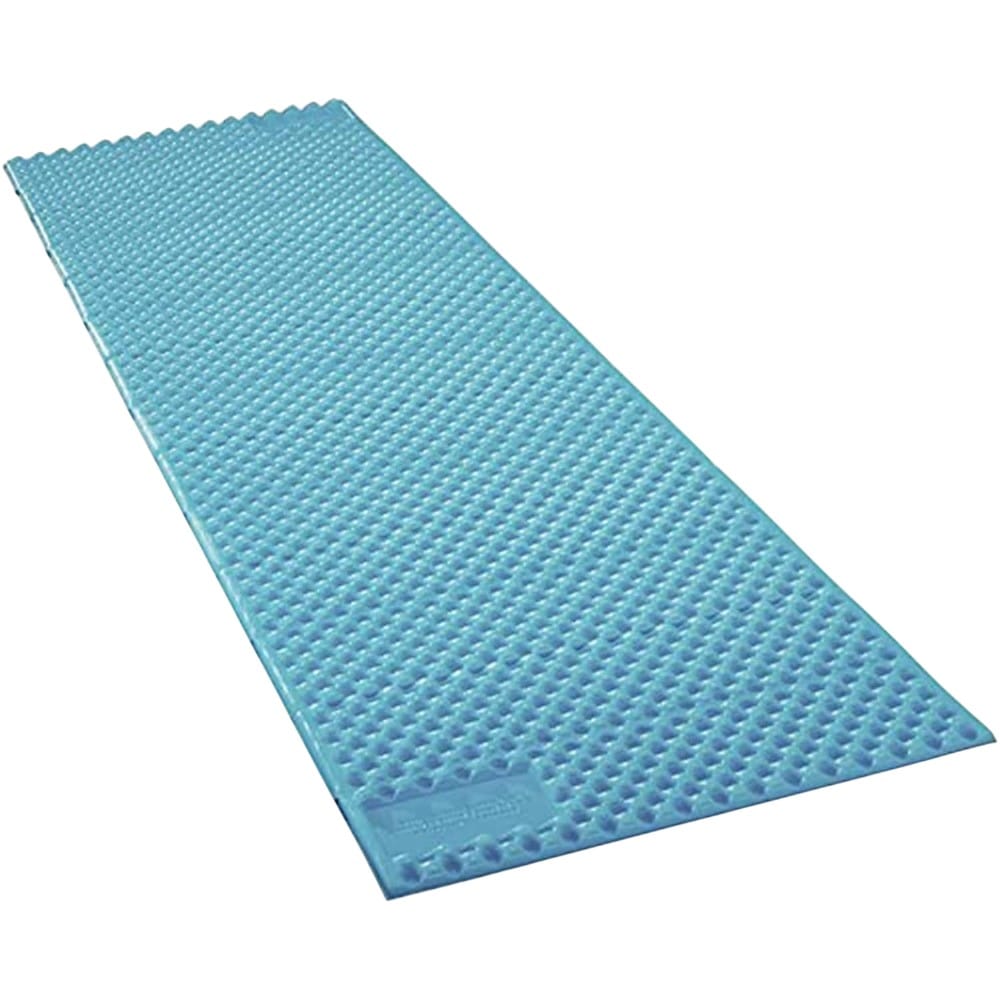
Fast, durable foam pad for minimalist camping, scout trips, and cold-ground layering under another pad.
NEMO Switchback Ultralight Sleeping Pad
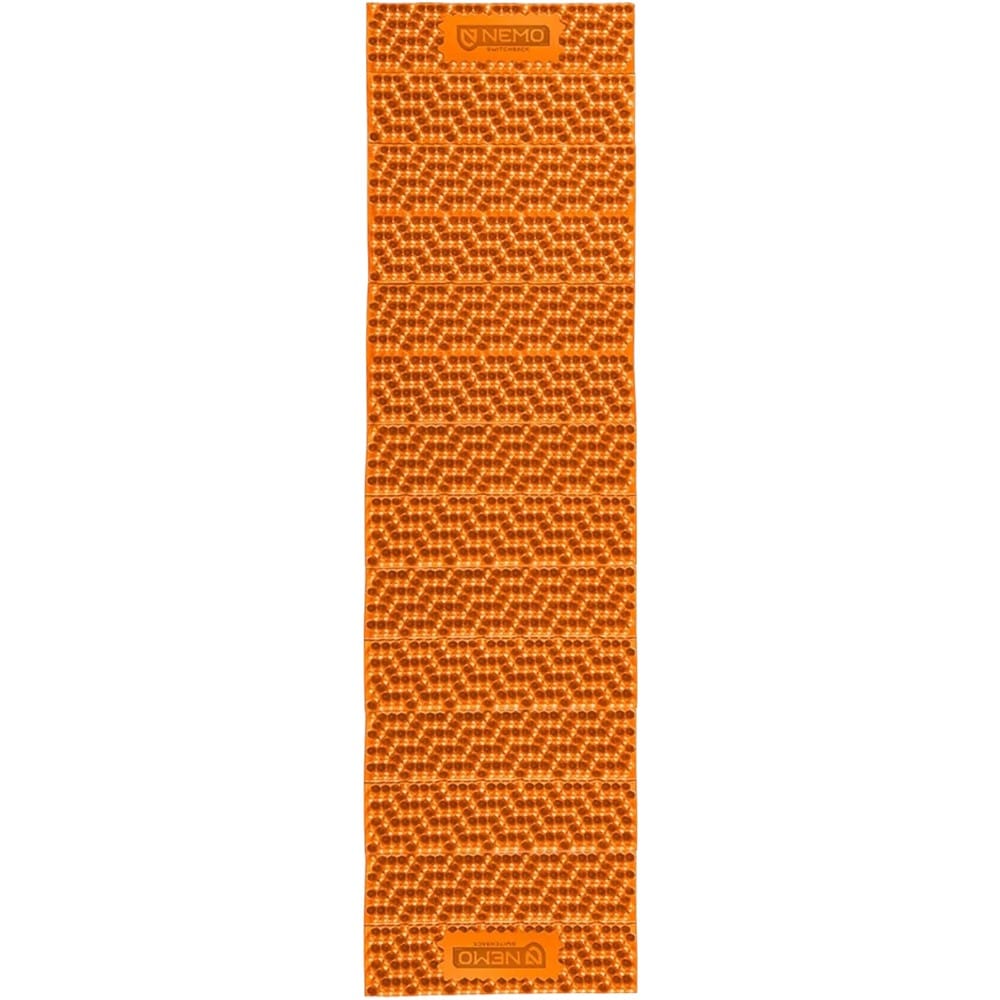
Foldable foam pad with good packability for backpacking, car camping, and reliable spare bedding.
Therm-a-Rest RidgeRest Classic Sleeping Pad
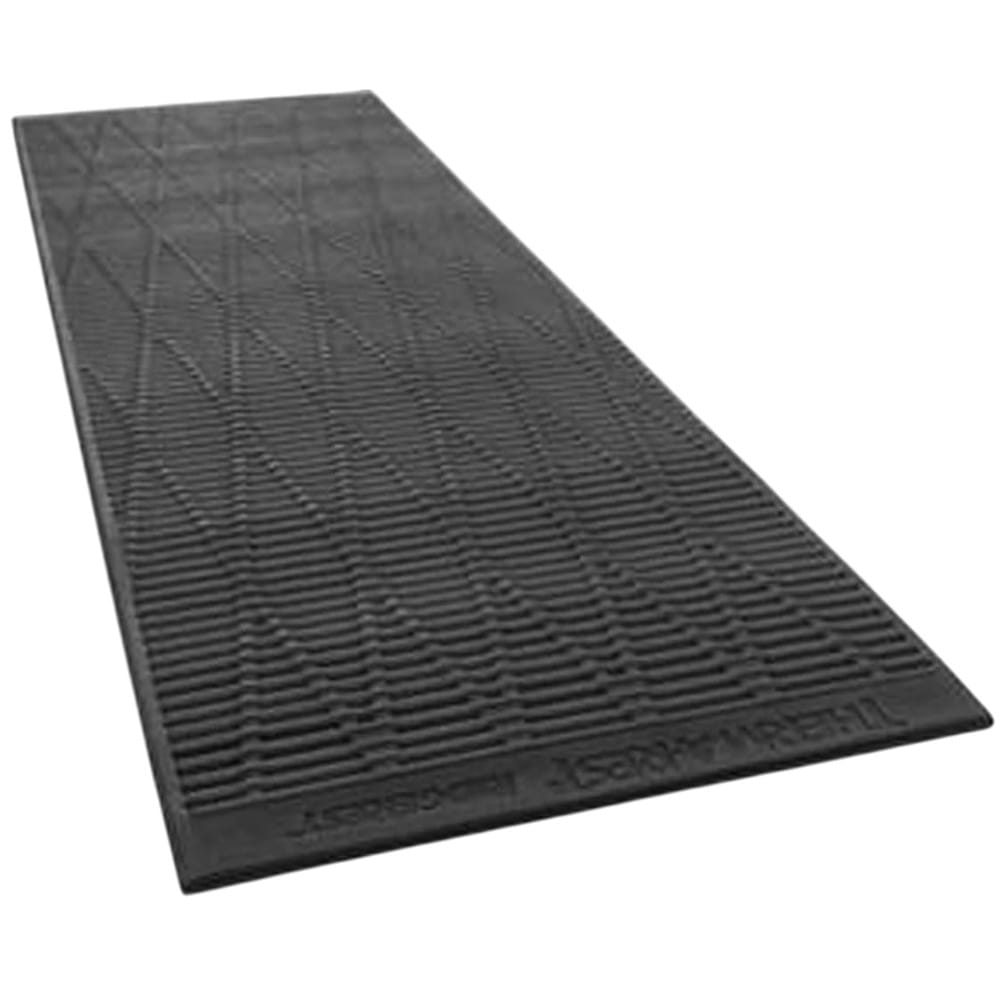
Simple roll-up foam pad for budget camping, backup kits, and hard-use camp conditions.
Self-inflating pads for comfort and insulation
This category fits campers who want more warmth and cushion without jumping all the way to oversized camp mats. These pads are often the sweet spot for weekend tent camping, mixed-use family trips, and practical three-season setups.
Therm-a-Rest Trail Scout Sleeping Pad

Entry-level self-inflating pad for weekend camping, light three-season use, and better comfort than bare foam.
Sea to Summit Camp Plus Self-Inflating Sleeping Pad
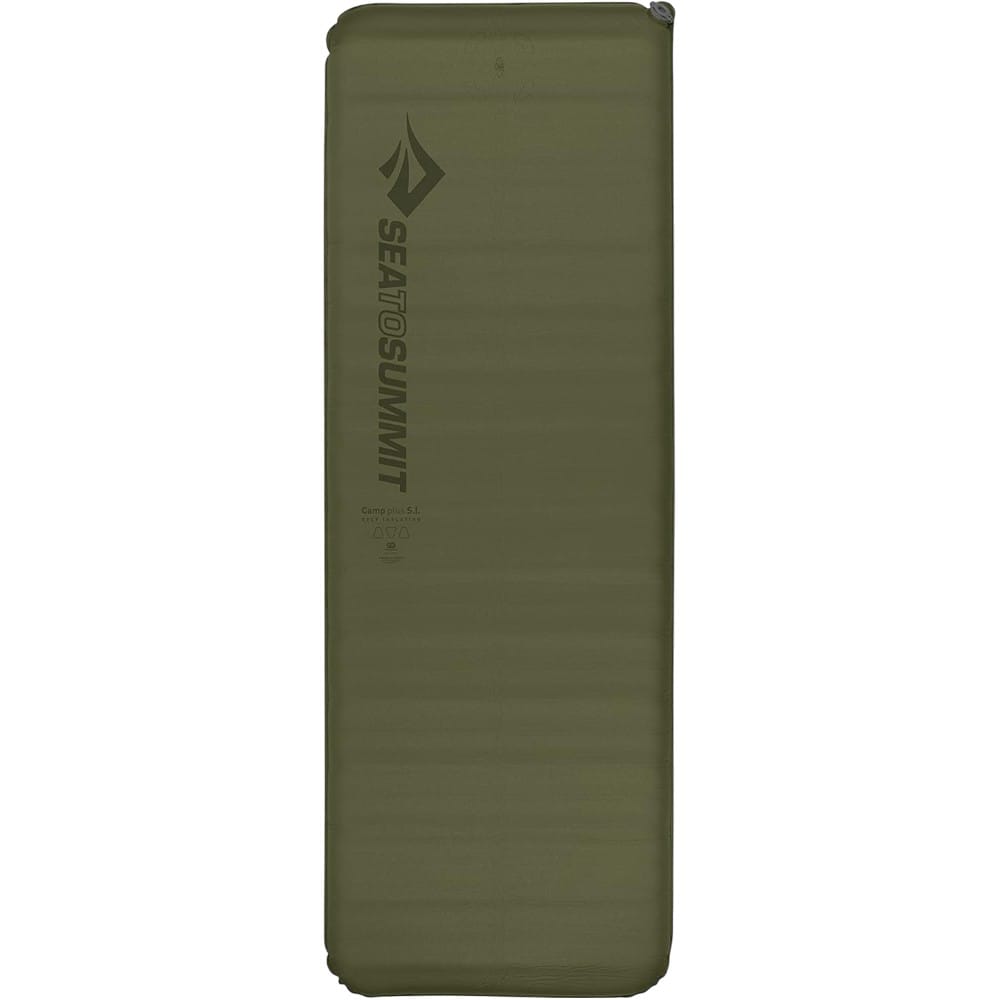
Thicker self-inflating option for side sleepers, car campers, and cooler-ground tent sites.
NEMO Flyer Self-Inflating Sleeping Pad
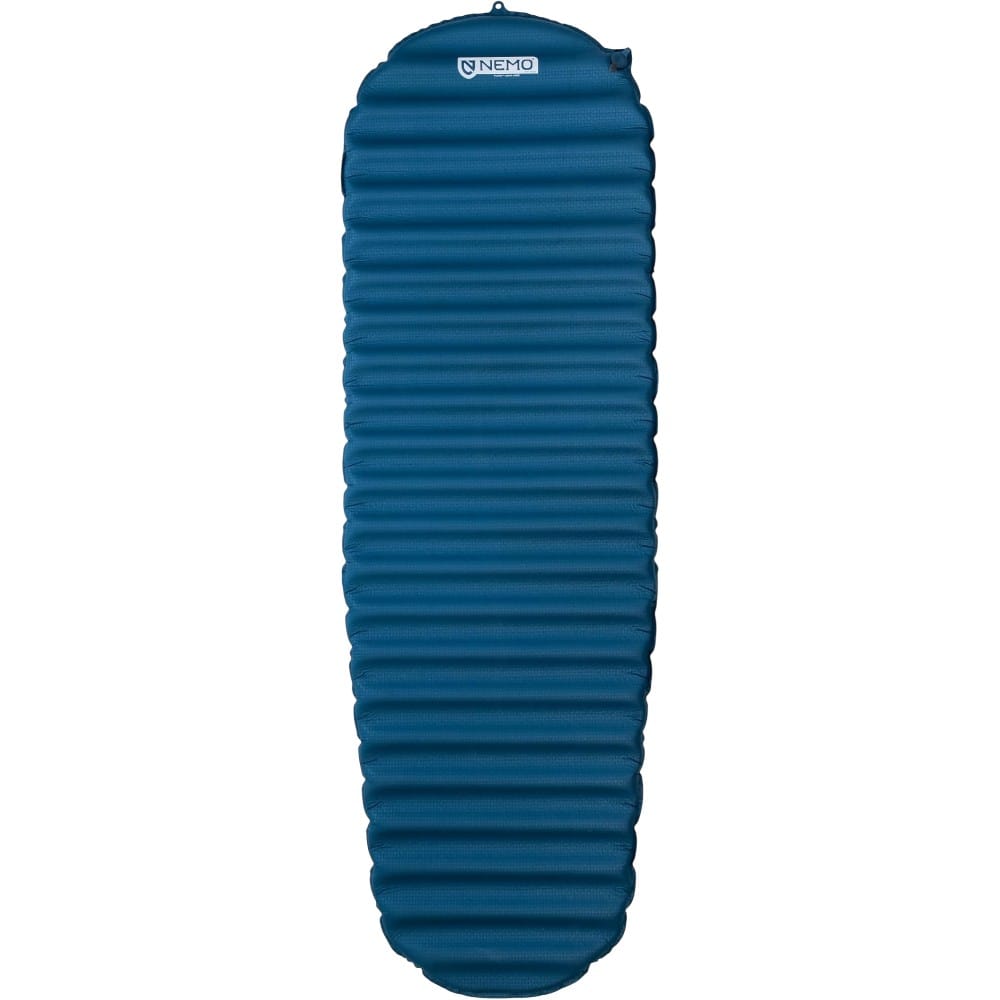
A hybrid-feel pad that adds more loft and support without the full bulk of deluxe mats.
Thicker inflatable pads and camp mats
These are the comfort-first choices. They are best suited for car camping, overlanding, truck beds, van platforms, cots, and RV guest sleeping, where packed size matters less than a good night’s sleep.
Sea to Summit Ether Light XR Insulated Air Sleeping Pad
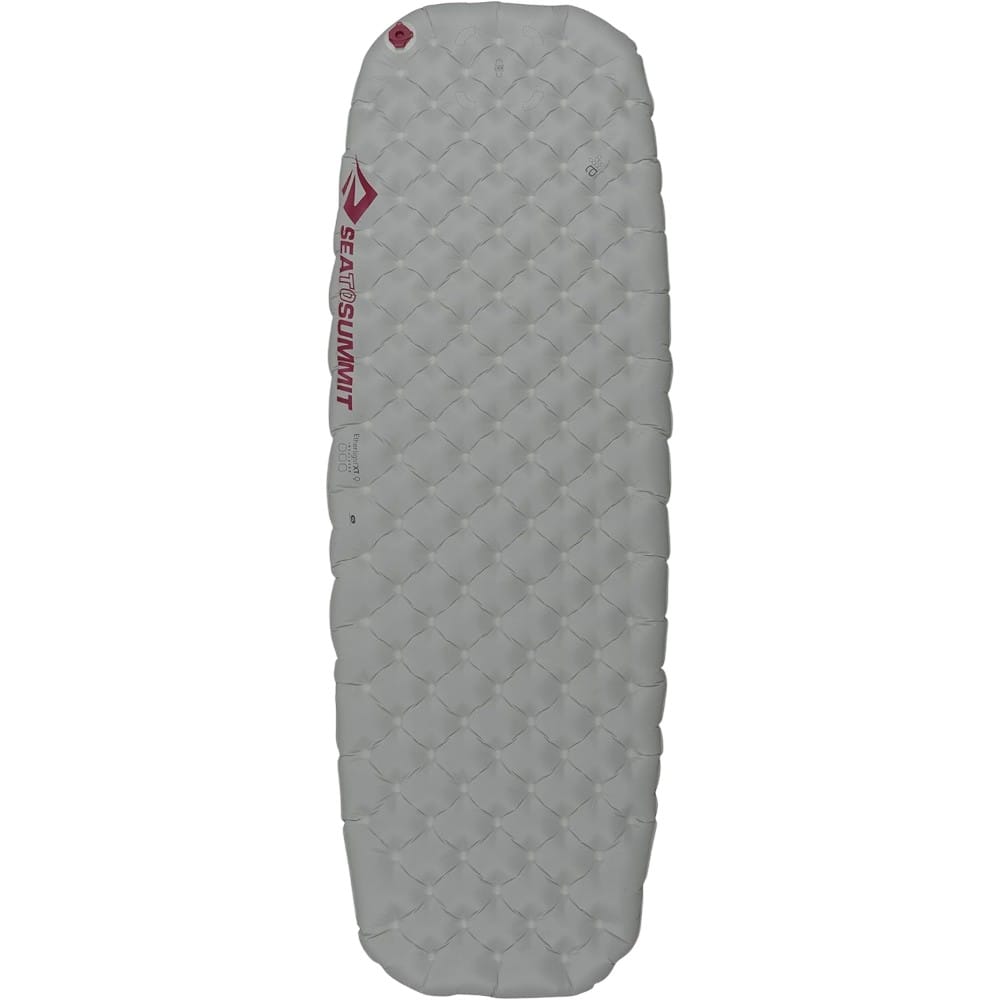
Plush inflatable pad for side sleepers who still want a camping pad that packs fairly small.
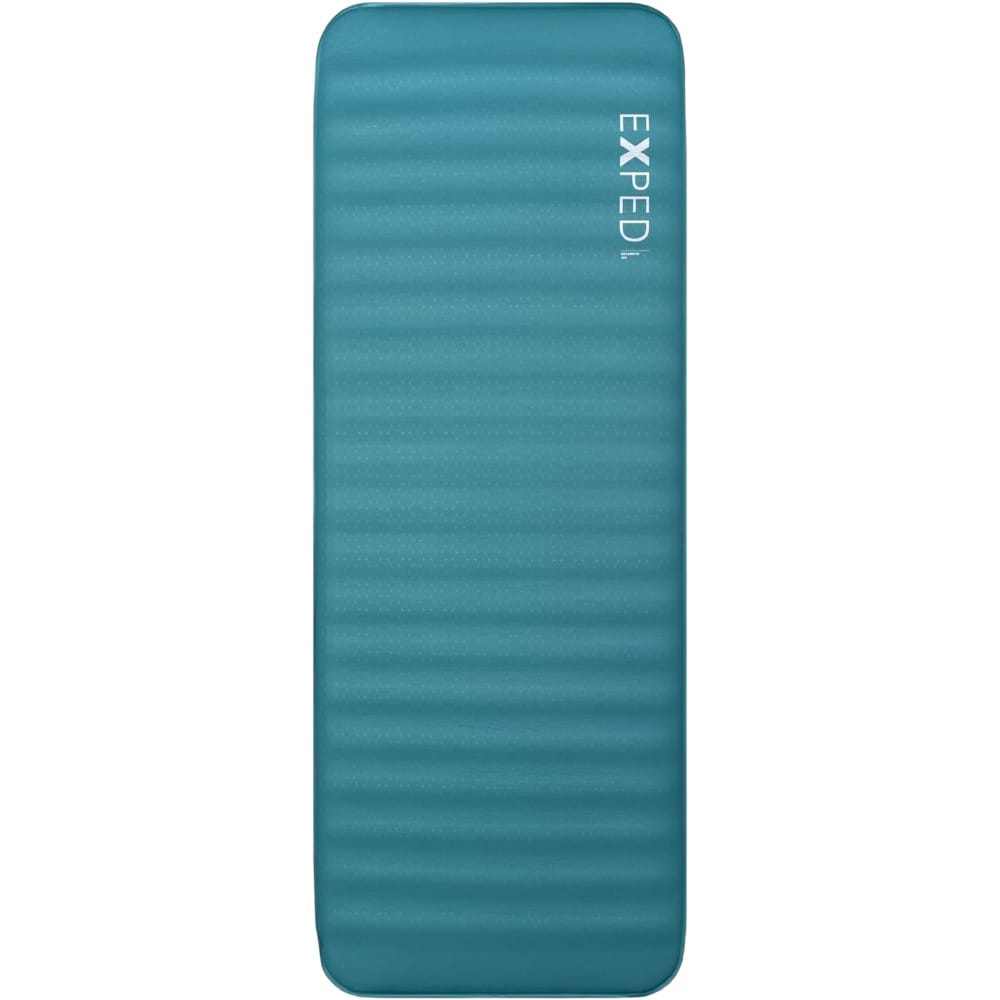
HEST Foamy
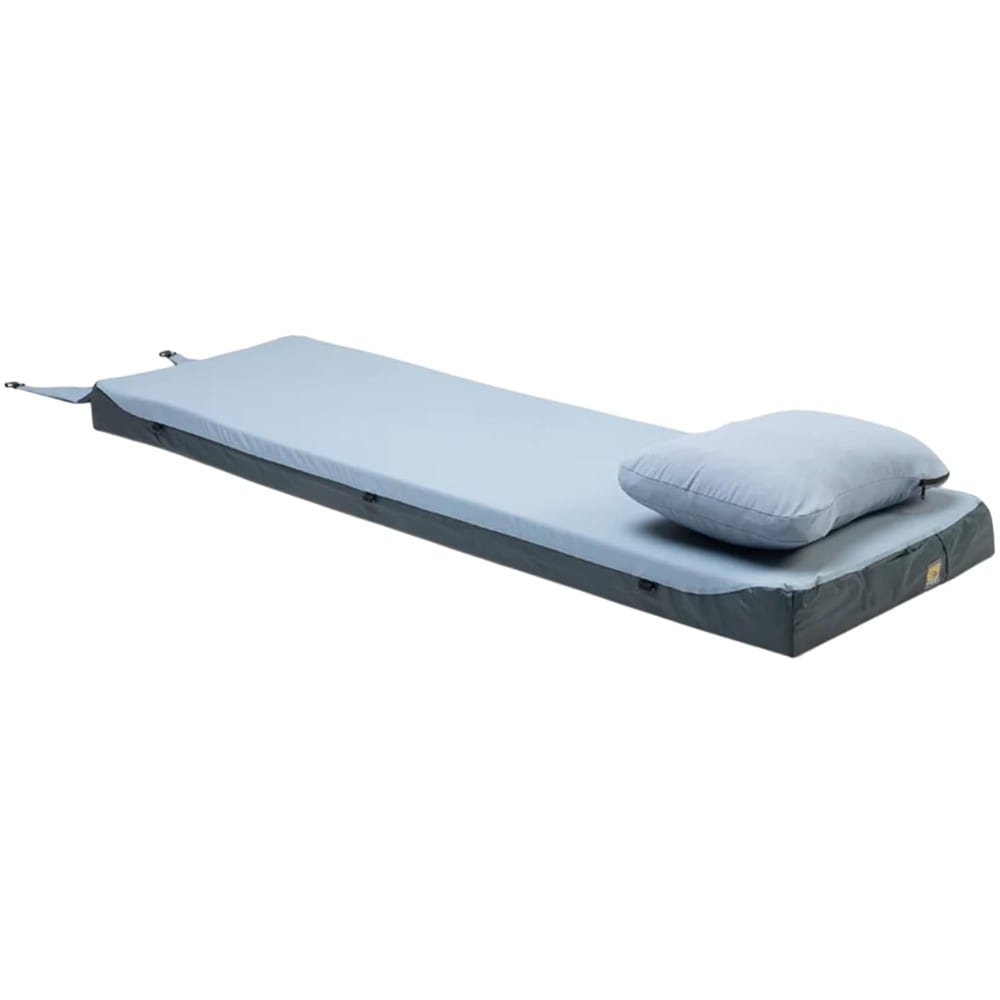
Premium foam-forward mat for truck beds, SUV camping, base camps, and cushier sleep setups.
Disclosure: As an Amazon Associate, we may earn from qualifying purchases.
Gear Comparison Guidance
The quickest way to compare these pad types is to stop asking which one is best and start asking what kind of camp sleeper you are. Foam pads win on toughness, simplicity, and low cost. They lose on plush comfort. Self-inflating pads sit in the middle. They usually feel warmer and more supportive than basic foam while staying easier to manage than oversized camp mats. Thicker inflatables and deluxe mats shift the balance hard toward comfort, but they take up more room and usually need more care.
Portability matters most when you are carrying gear any distance or packing a small vehicle. Comfort matters more when you are staying put, sleeping on rocky ground, or trying to make a guest setup feel less like punishment. Durability matters more in rough camps, youth use, and frequent trips. Repairability matters more as you lean on air-heavy designs.
There is also a practical line between “packs smaller” and “sleeps better.” Every camper draws that line in a different place. The trick is knowing where yours is before you check out.
Quick Decision Guide
- If you move camp often and want the least possible fuss, start with a closed-cell foam pad.
- If you mostly take weekend tent trips and want a noticeable jump in comfort, a self-inflating pad is usually the smartest middle-ground buy.
- If you sleep on your side and your hips always seem to hit the ground, consider thicker self-inflating or inflatable options first.
- If you camp from a truck, SUV, van, or RV and storage space is less tight, a deluxe mat can be worth the bulk.
- If you need backup bedding for kids, guests, or unpredictable trips, simple foam pads are hard to beat.
Buying Considerations
- Insulation level: Match the pad’s warmth to the coldest ground conditions you expect to camp on.
- Thickness: Side sleepers and larger campers usually need more cushion than back sleepers.
- Width and shape: A wider rectangular pad often feels better for restless sleep and guest use.
- Packed size: Make sure the rolled or folded pad fits your vehicle, bunk, storage bay, or gear closet.
- Durability: Rough campsites, pets, and frequent use favor tougher materials and simpler designs.
- Repair needs: Air-heavy pads sleep well, but they ask for more care and a patch plan.
- Setup speed: Foam wins here; self-inflating pads and full inflatables need more fiddling.
- Budget: Spending more can improve sleep, but only if the pad matches the way you actually camp.
Accessory Ideas
- Sleeping pad repair kit: A small patch kit can save a trip if an inflatable pad picks up a leak.
- Pump sack or inflation bag: Useful for air pads when you want faster setup and less moisture inside the pad.
- Groundsheet or tent footprint: Adds a bit of protection against abrasion, thorns, and sharp gravel.
- Fitted sleeping pad sheet: Makes some sleeping pads for camping feel less slick and a little more bed-like.
- Compression straps: Helpful for managing bulky self-inflating pads and larger camp mats in storage.
- Camping pillow: A decent pad helps, but neck comfort still needs its own support.
Sleeping pads for camping FAQs
Are sleeping pads warmer than air mattresses for camping?
Often, yes. Many sleeping pads are built with insulation or foam that helps block ground cold better than a basic air mattress. A cheap air mattress may feel soft at first, but it can lose a surprising amount of warmth underneath you. The real answer depends on the specific product, but pads usually have an edge in outdoor insulation.
What is the difference between a self-inflating pad and an air sleeping pad?
A self-inflating pad contains foam that expands when you open the valve, so it pulls in air on its own and usually needs only a few finishing breaths. A full air sleeping pad relies much more on inflation from you or a pump. Self-inflating pads often feel more stable, while air pads usually pack smaller for their thickness.
Do side sleepers need a thicker sleeping pad?
In many cases, yes. Side sleepers tend to put more pressure on their hips and shoulders, so thin camping sleeping pads can feel harsh or bottom out. A thicker self-inflating pad or a well-designed inflatable pad usually does a better job of relieving pressure points. Width matters too, especially if you toss and turn.
Can I use a camping pad for RV guests or sleepovers?
Yes, and some pads work very well for that. Wider self-inflating sleeping pads for camping and deluxe camp mats are especially useful for RV guests, tent annex spaces, truck beds, and temporary floor sleeping. They are often easier to store than a full spare mattress and faster to deploy when you need an extra bed in a pinch.
Are foam sleeping pads too uncomfortable for adults?
Not always. Foam pads can work well for adults who sleep on their backs, camp light, or simply value toughness over softness. They are also useful as backup bedding or as a base layer under another pad. That said, many side sleepers and comfort-focused campers will want more thickness than a basic foam pad provides.
Other Resources
If you want to compare the rest of your sleep setup, these articles pair well with the sleeping pads for camping choices covered here.
- Best RV Mattresses Ultimate Sleep Solutions 101
- Top 11 Air Mattresses For Outdoor Camping – A Buyer’s Guide
- Sleep Peacefully on Your Camping Trips with These 9 Camping Pillows
- The Ultimate Guide to Discovering the Perfect Sleeping Bag for Camping, Step-by-Step
Keep Exploring Camp Comfort Gear
If you want to keep building a more comfortable campsite, these gear pages are the natural next stops.
- Camp Chairs That Don’t Wreck Your Back – Recommended Gear & Resources
- Tables, Prep Surfaces, and Folding Furniture – Recommended Gear & Resources
- Sleeping Gear: Bags, Pads, Mattresses, and Pillows – Recommended Gear & Resources
- Shade, Tarps, and Portable Shelter – Recommended Gear & Resources
- Outdoor Living Spaces – Recommended Gear & Resources
Closing Guidance
Good sleeping pads for camping do not need to be fancy. It needs to fit your camping style. That is the thread running through this whole chapter and this page. Foam pads still make a lot of sense for stripped-down travel, youth camping, loaner kits, and anyone who wants gear that is almost impossible to kill. Self-inflating sleeping pads for camping remain one of the best all-around answers for campers who want more comfort and warmth without hauling a giant mat. Deluxe inflatables and comfort mats earn their keep when the vehicle is doing the heavy lifting, and better sleep is high on the priority list.
The mistake many buyers make is shopping by category buzzwords rather than by camping habits. A thick pad is not automatically the right pad. A small packed size is not automatically worth giving up sleep quality. And a bargain price loses some shine if the pad leaves you stiff every morning. Camp gear is full of those trade-offs. Sleeping pads for camping just make them easier to feel, literally.
Use the recommendations here as a shortlist, not a commandment. Think about your sleeping position, your weather, your storage space, and whether you usually camp on the move or settle into one site for a few nights. Sleeping pads for camping that match those realities will serve you far better than the most impressive spec sheet in the aisle.
If you want the fuller breakdown of how these camping sleeping pads stack up, head back to the chapter text. That is where the deeper comparison lives.
Last updated: 04/26