


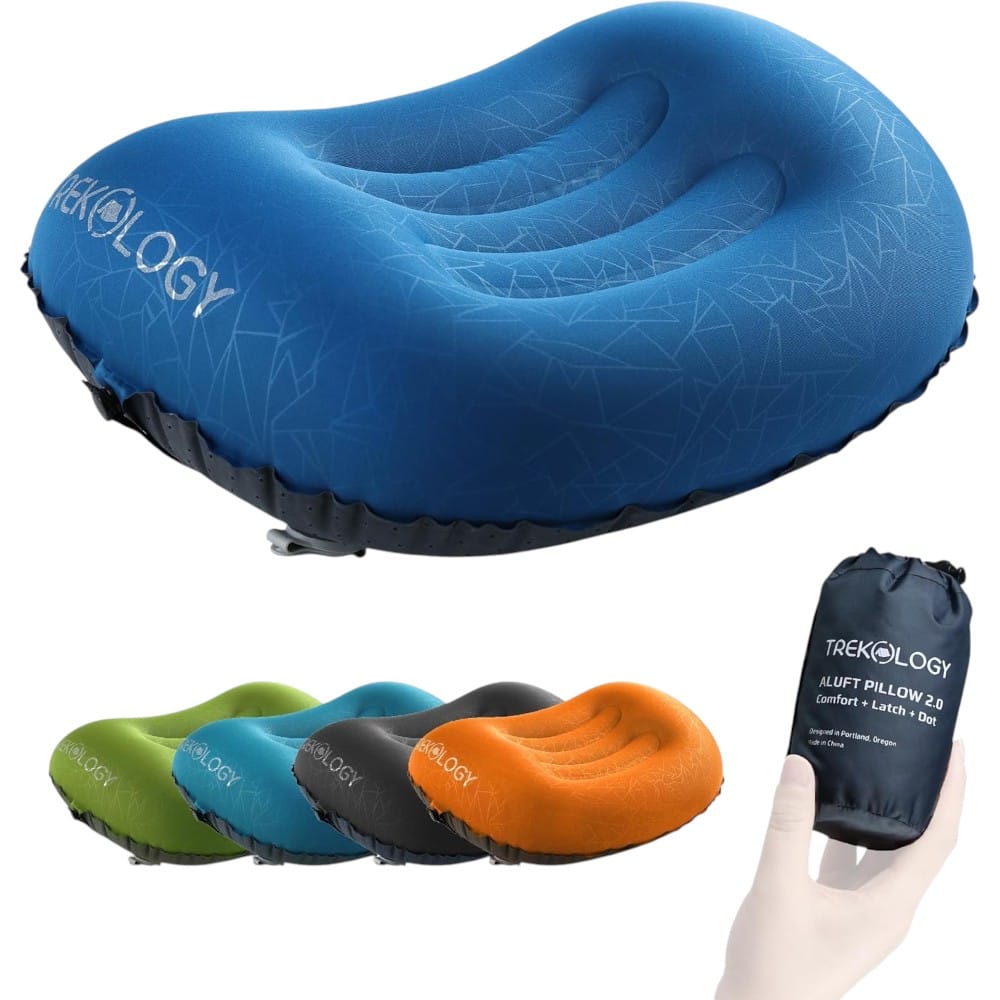

What You’ll Find on This Page
This page pulls together the gear choices that make the most sense for building a camping sleep setup by budget and real trip style. Instead of treating every mattress, bag, and pillow like an isolated purchase, the focus here is on how the pieces work together. That matters in camping because a system that looks balanced on a shopping list can still feel mismatched once you are on the ground, in an RV bunk, or trying to make room for one more sleeper.
You will find recommendation groups for budget, mid-range, and premium setups, along with picks that fit specific use cases such as couple camping, RV bed upgrades, guest sleeping, and fast comfort fixes. That gives you a way to shop by outcome instead of by random category. Maybe you want a simple tent setup that does not cost a fortune. Maybe you are trying to improve the main bed in a trailer. Maybe you just need an overflow mattress that folds and stores without becoming a nuisance. Those are different problems, and they deserve different buying plans.
Use this page as a quick-reference companion to the chapter, not a substitute for it. The chapter explains why these combinations work and where each trade-off shows up in the field. This page makes the short list easier to review when you are comparing products, collecting images, or handing the build to a VA. It is also handy when you are looking at one weak link in your current setup and want to upgrade that part first instead of replacing everything at once.
GEAR TIP:
The fastest way to waste money on sleep gear is to upgrade the warm layer over you before fixing the cold, thin, or unstable layer under you.
Quick Gear Summary
- Budget sleep systems are built around simple, dependable gear
- Mid-range comfort picks for regular weekend camping
- Premium options for near-home sleep quality at camp
- Use-case picks for couples, RV beds, and guest sleeping
- High-impact comfort upgrades for existing setups
- Comparison guidance for deciding where to spend first
Product Recommendations by Category
The products below represent commonly recommended options within the camping sleep setup by budget categories discussed in this chapter.
Camping Sleep Setup by Budget Bundle Picks
These are the pieces that make sense when you want a usable sleep system without overspending. They work best for new campers, casual weekend trips, and backup kits that still need to perform.
Therm-a-Rest Z Lite Sol Sleeping Pad
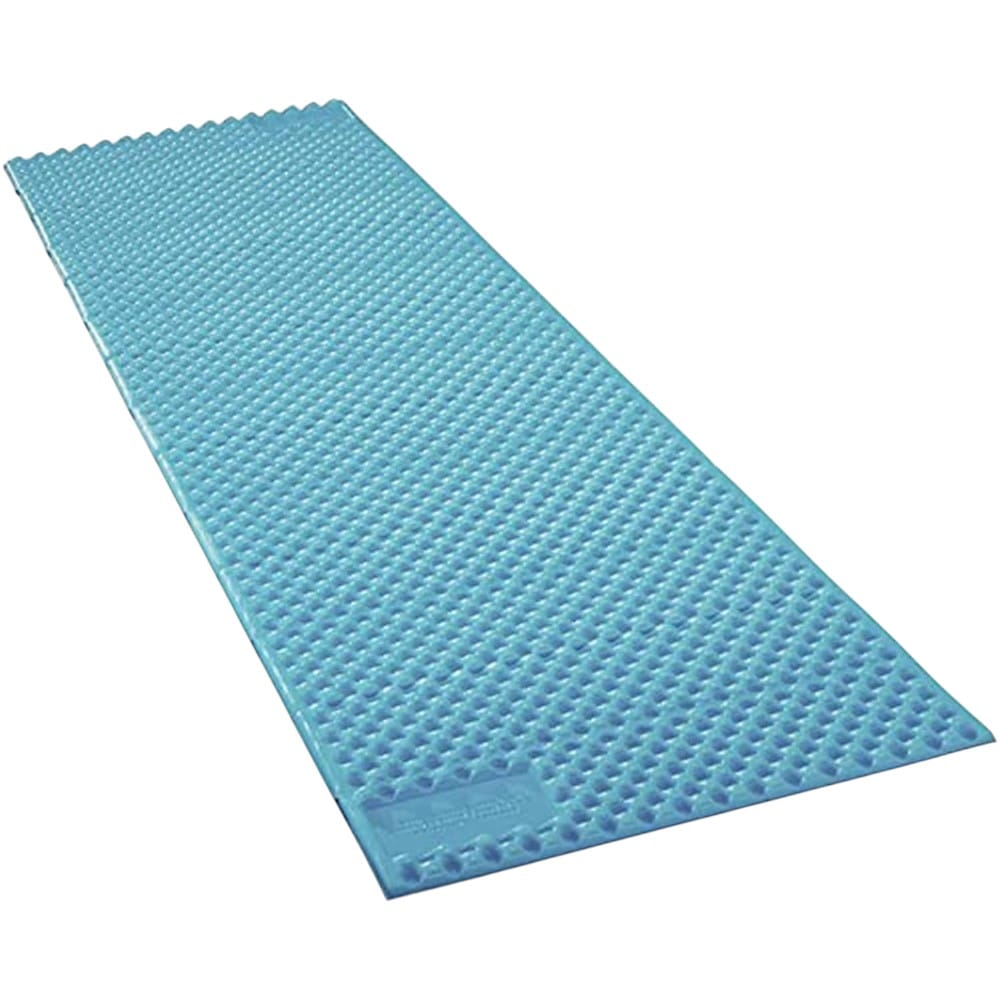
A reliable foam pad for new campers, rough ground, and backup insulation in low-cost kits.
Coleman Brazos 20/30°F Adult Sleeping Bag
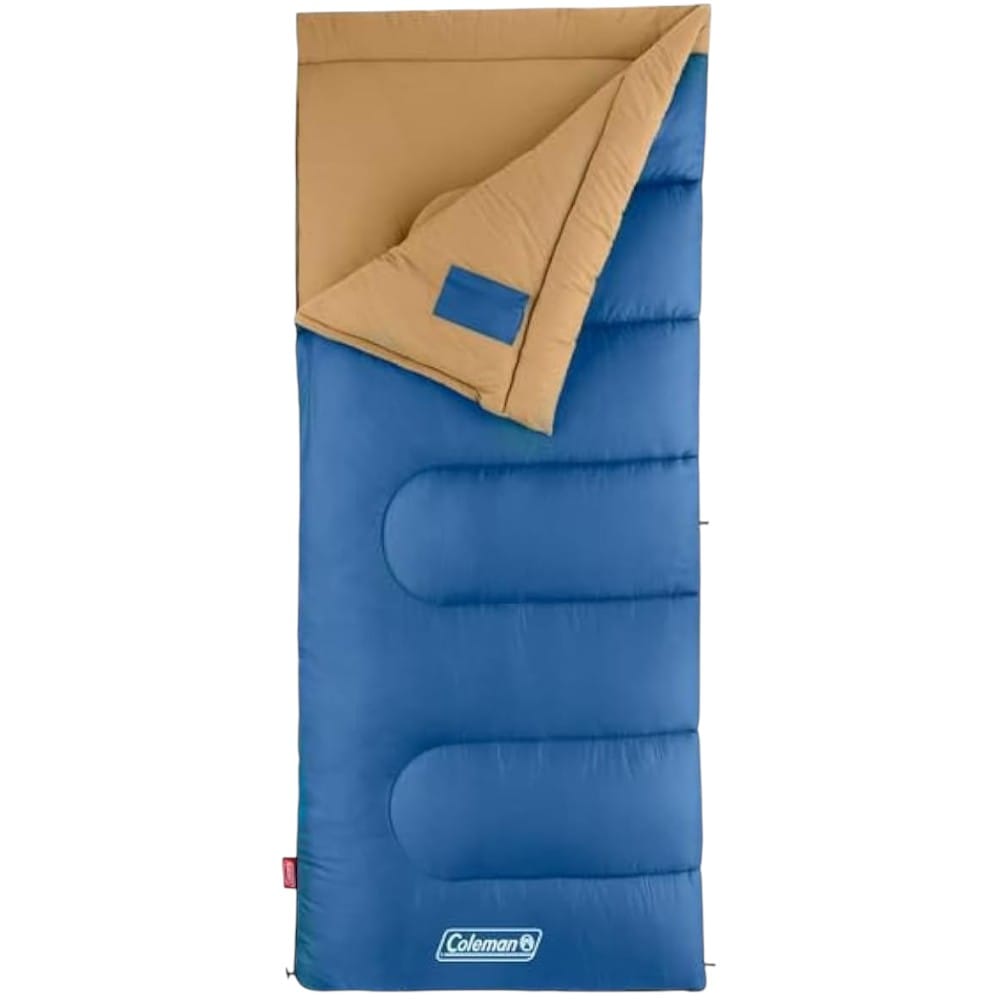
A value-friendly sleeping bag for cool nights, casual trips, and outfitting multiple campers.
TREKOLOGY ALUFT 2.0 Camping Pillow
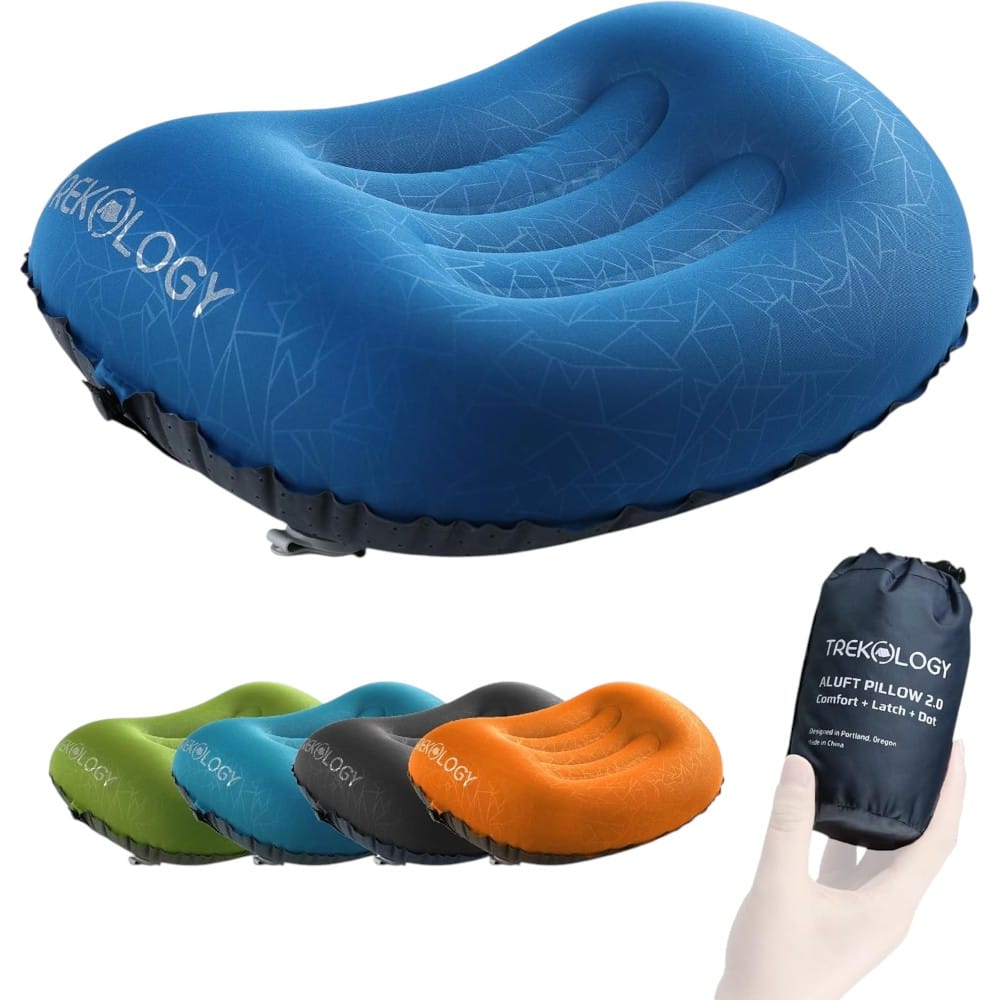
A compact inflatable pillow that gives budget kits better neck support without adding much bulk.
Premium Sleep Setup Bundle Picks
These picks suit campers who care deeply about overnight comfort and want fewer compromises. They are especially strong for frequent travelers, side sleepers, and anyone tired of waking up sore.
Exped MegaMat 10 Sleeping Pad
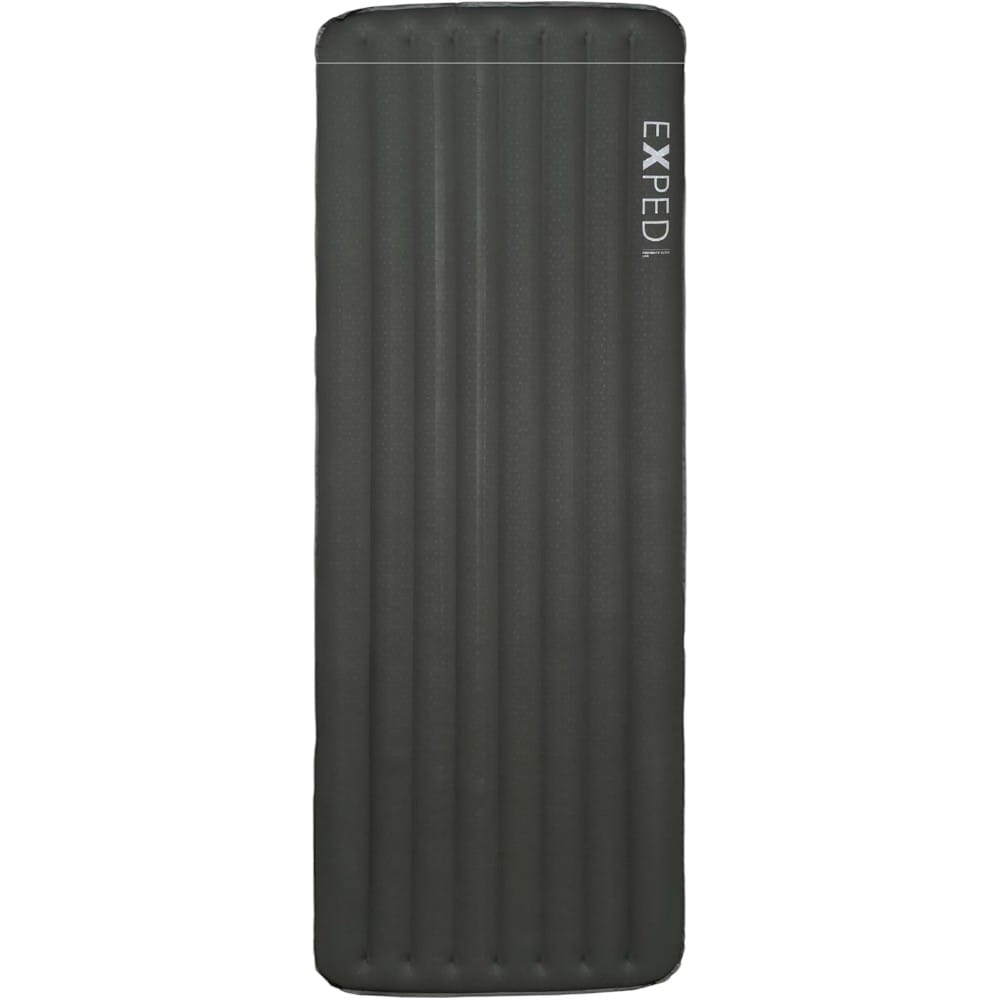
A premium bed-like pad for campers who want serious cushioning and less pressure-point pain.
NEMO Disco Endless Promise Sleeping Bag
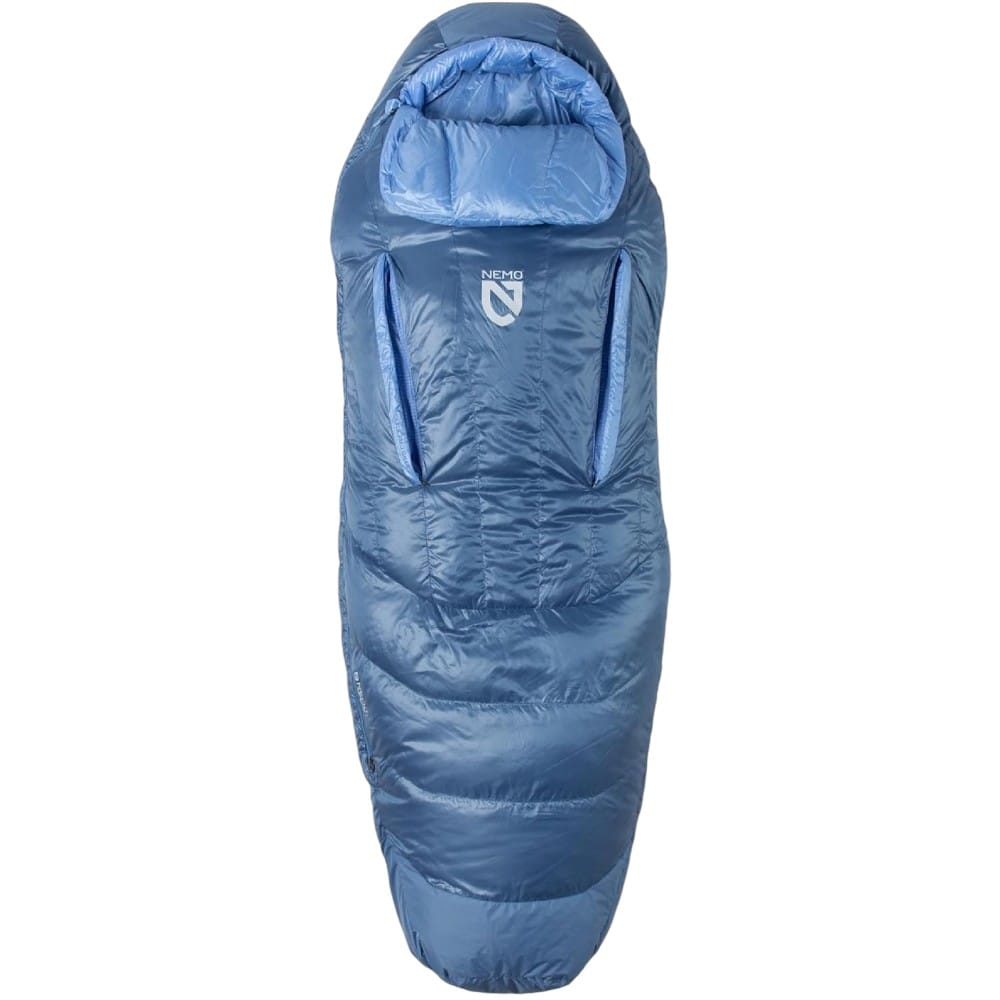
A comfort-focused bag with more room for side sleepers and restless sleepers.
Sea to Summit Aeros Premium Pillow
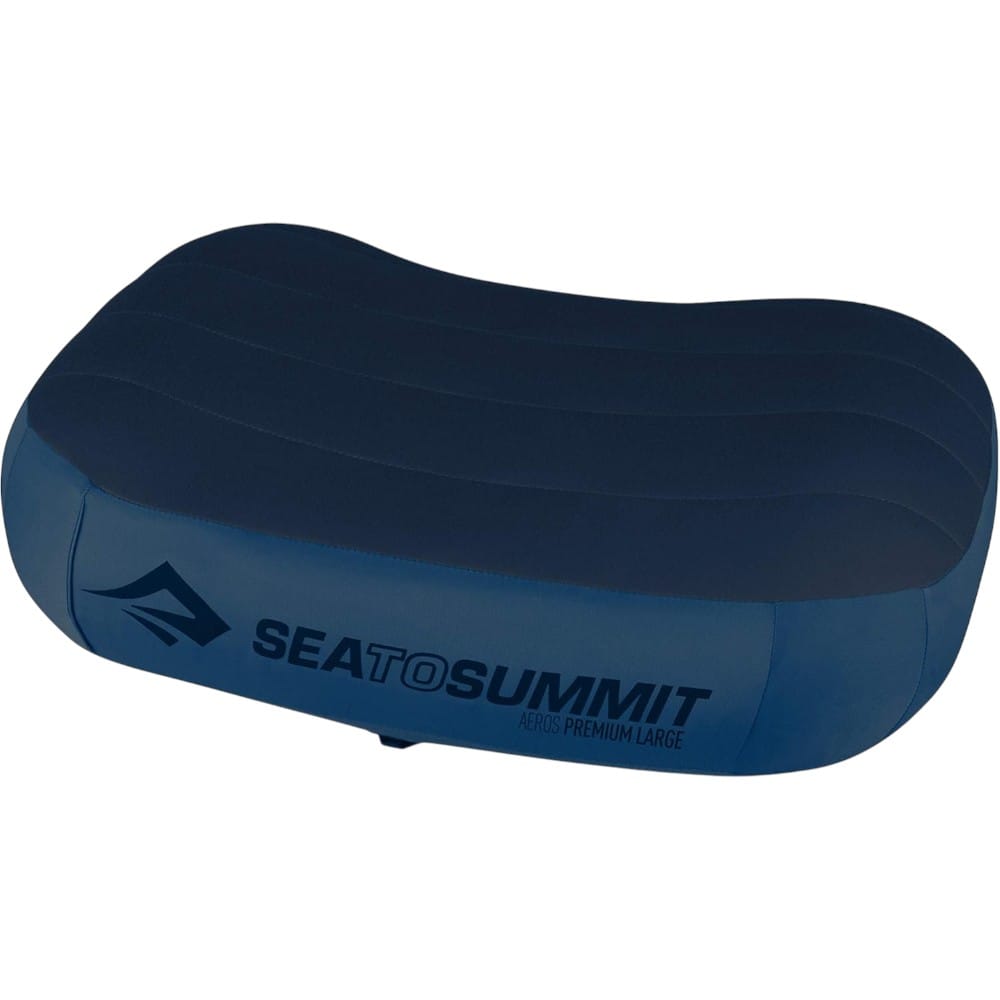
A lightweight adjustable pillow that packs small and fine-tunes comfort quickly.
Best Setups By Camping Style and Trip Type
These products fit specific travel patterns well, whether that means couple camping, RV sleeping, or adding flexible guest capacity. They are not the most universal pieces, but they shine in the right role.
Kelty Tru.Comfort Doublewide 20 Degree Sleeping Bag
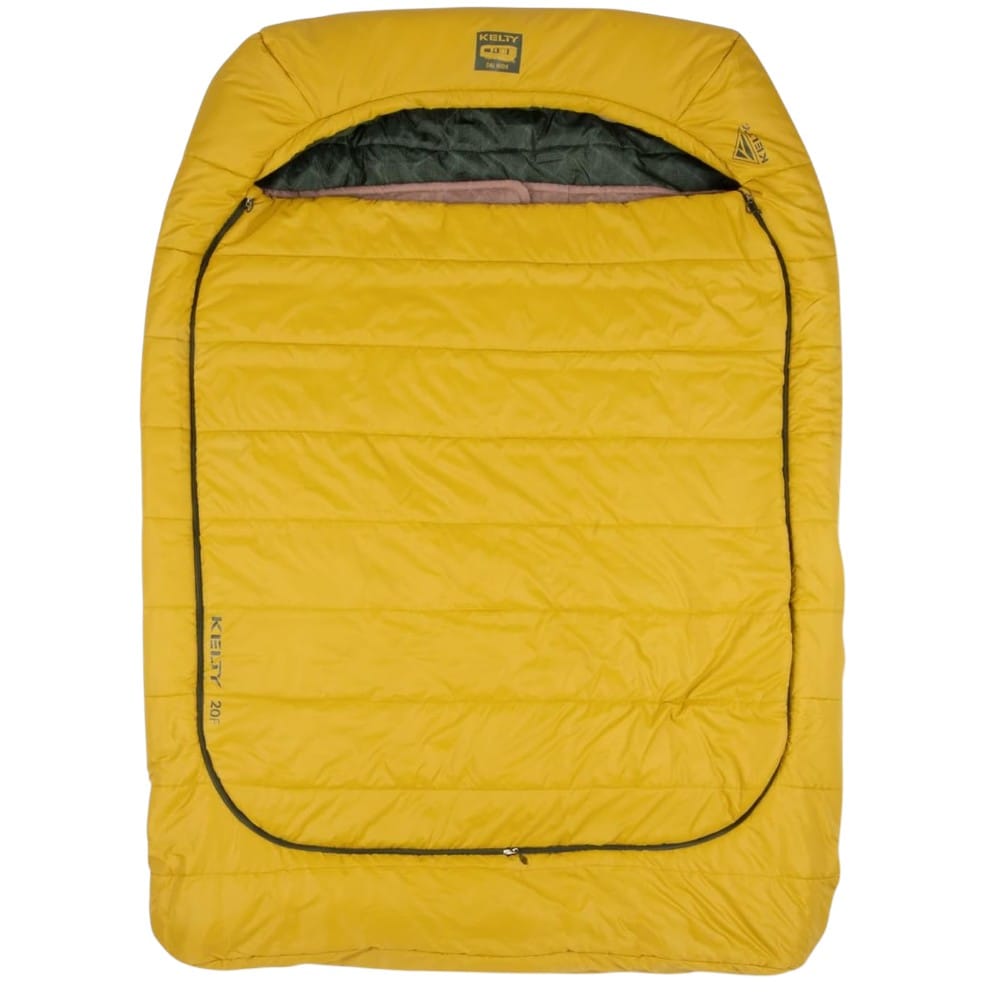
A strong shared-sleep option for couples and family campers who want flexible blanket-style comfort.
WanderRest Cool Hybrid 10” RV Mattress
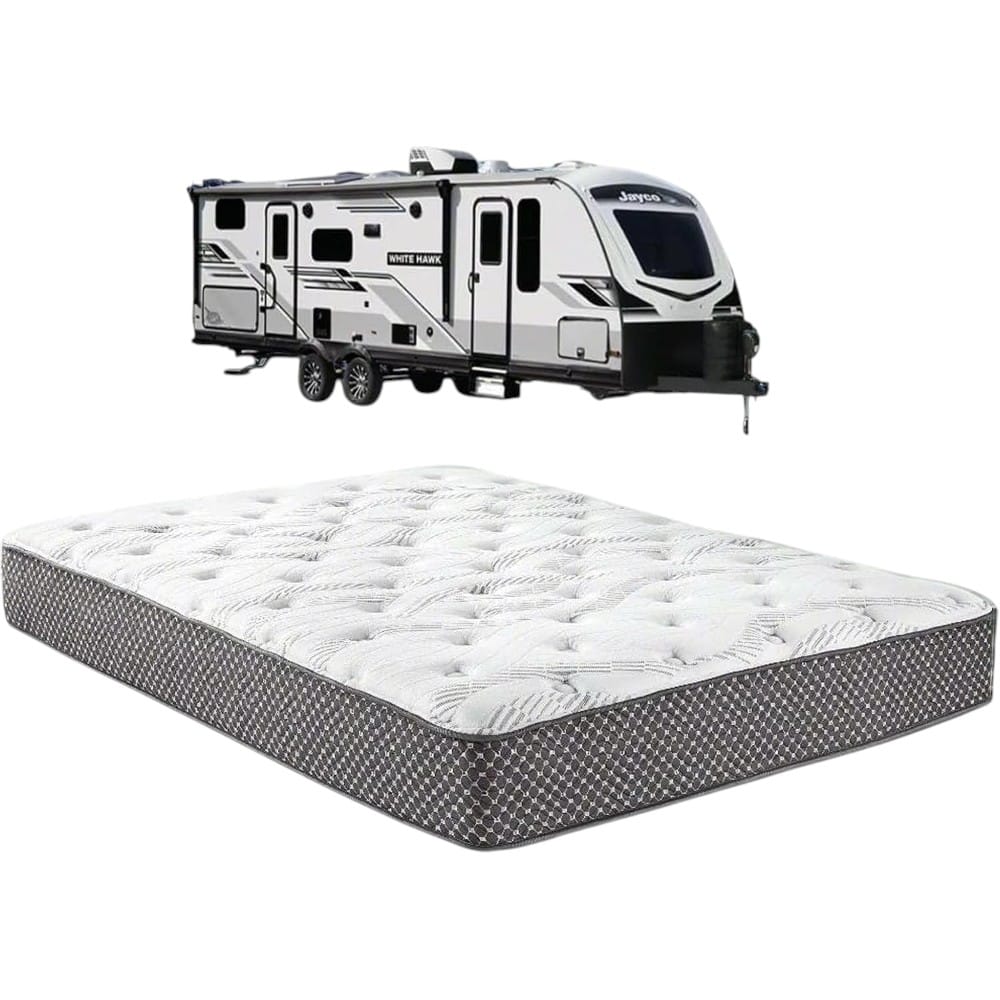
A purpose-built RV mattress for travelers ready to improve the main bed instead of patching it.

SoundAsleep Dream Series Air Mattress
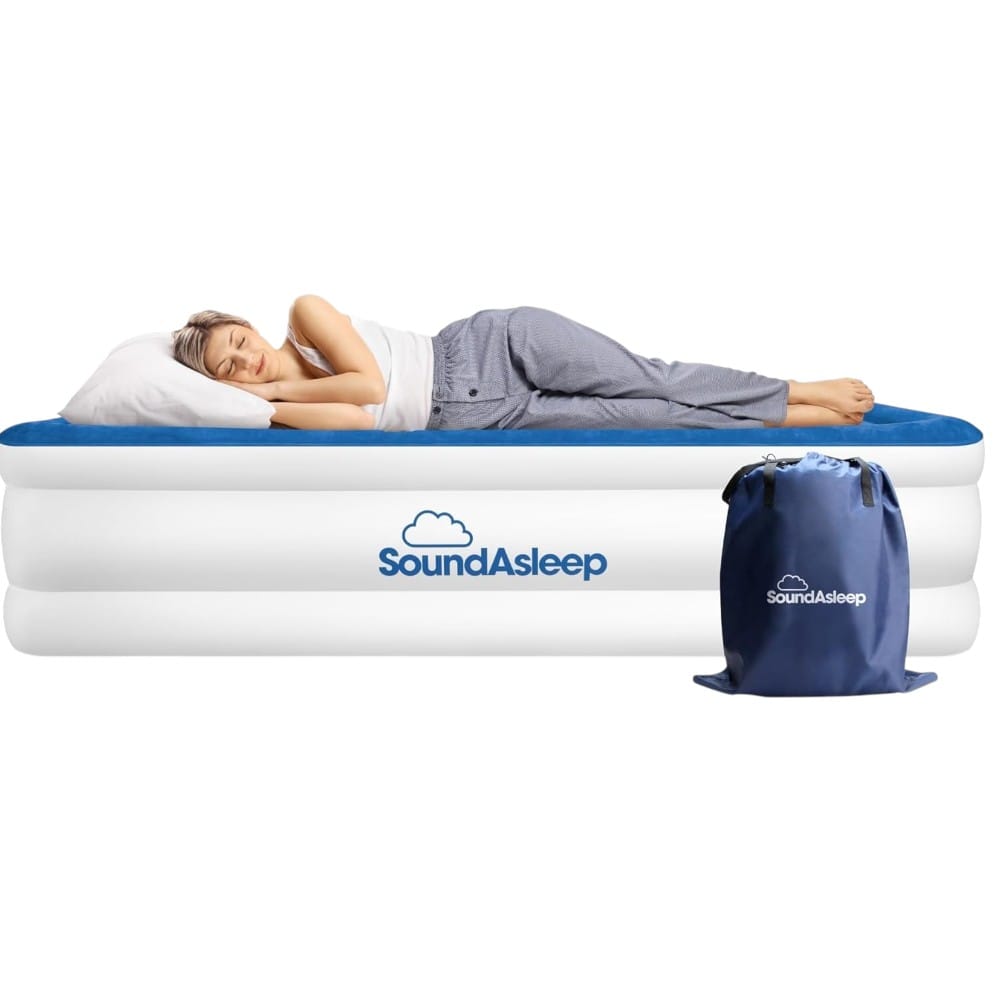
A practical portable bed for guest use, family overflow, and flexible sheltered sleeping.
Milliard Dual-Sided Premium Tri-Folding Mattress
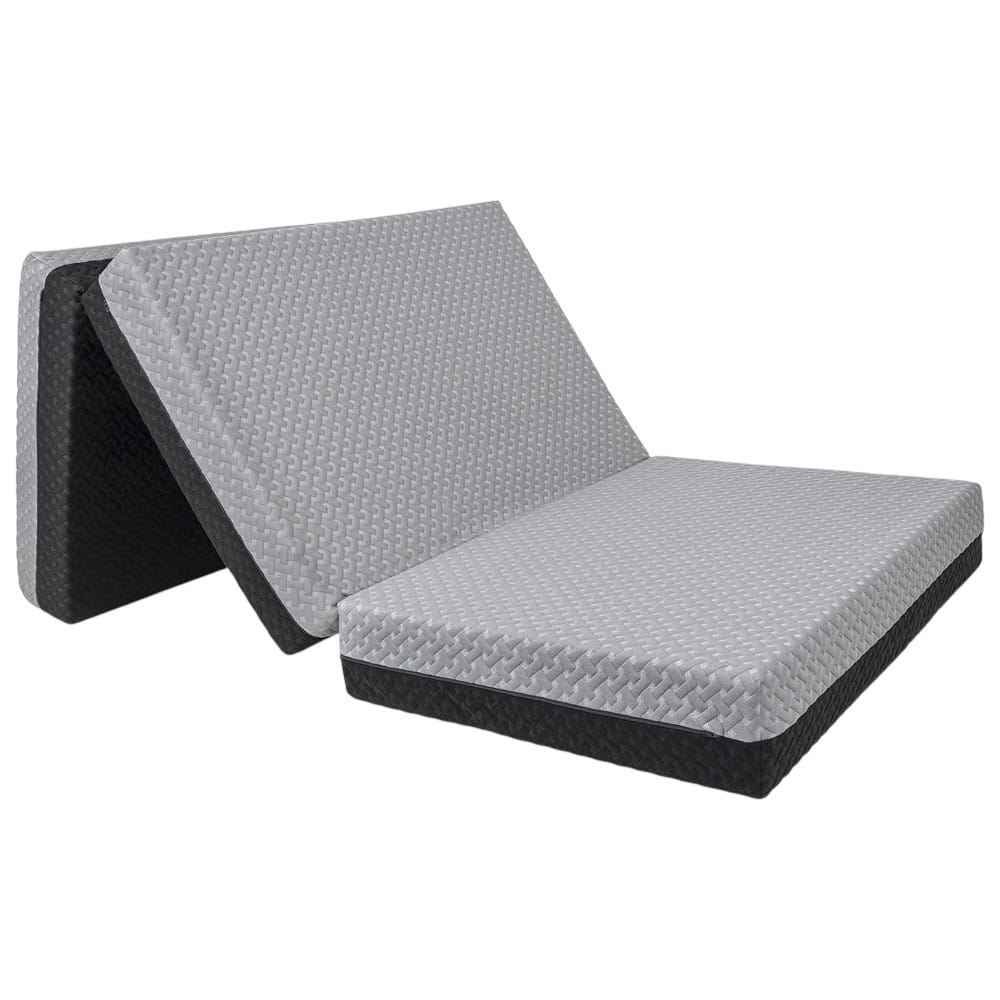
A folding foam mattress that works well for bunks, RV guests, and multi-use sleeping spaces.
Fastest Comfort Upgrades for Readers: Improving An Existing Setup
These are the quickest ways to improve an existing bed or sleep kit without replacing everything at once. They work best when a single weak link drags down the rest of the system.
Linenspa 3 Inch Gel-Infused Memory Foam Mattress Topper
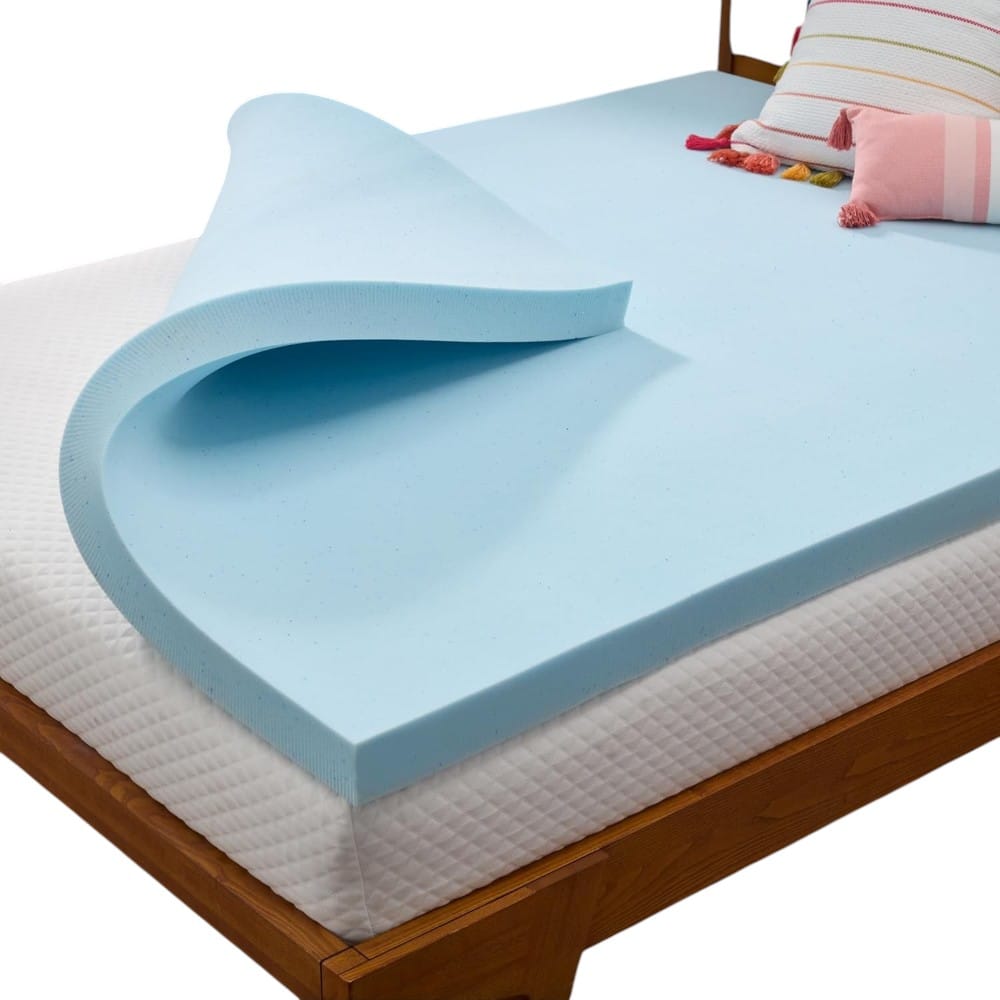
A fast comfort upgrade for hard RV mattresses and spare beds that need better pressure relief.
HEST Foamy Camping Mattress Pad
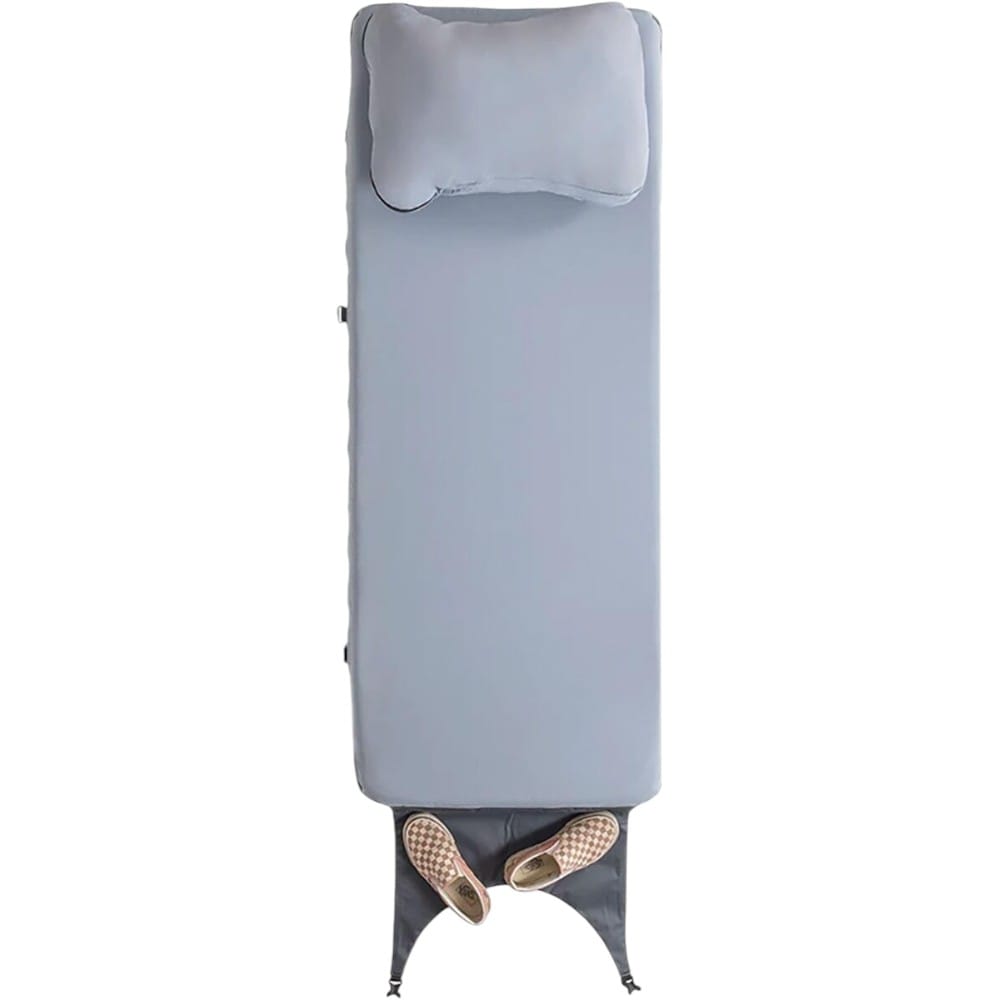
A roll-up foam mattress pad for campers who want a quick setup and a simple sleep surface.
EnerPlex Camping Air Mattress with Built-in Pump
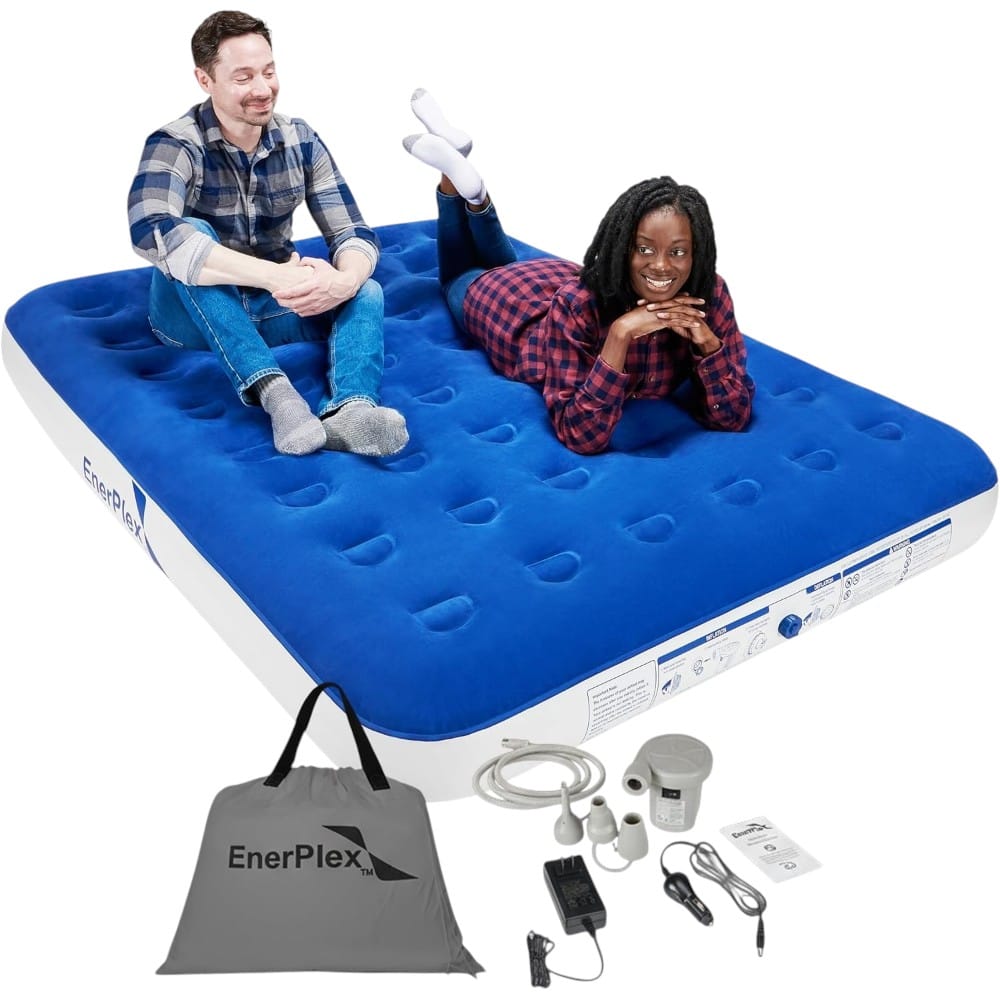
A portable thicker-bed upgrade when storage space matters more than all-season ruggedness.
Disclosure: As an Amazon Associate, we may earn from qualifying purchases.
Product Comparison Chart – Camping Sleep Setup by Budget
| Product | Sleep Role | Best Use | Comfort Level | Storage Reality |
|---|---|---|---|---|
| Therm-a-Rest Z Lite Sol Sleeping Pad | Foam base layer | Budget tent camping and backup insulation | Basic but dependable | Folds fast and stores easily outside the main kit |
| LOSTHORIZON Air & Foam Camping Mattress, Self-Inflating Sleeping Pad, 4.5″ | Thick comfort pad | Car camping and comfort-focused weekends | High | Bulky roll best carried in a vehicle |
| Exped MegaMat 10 Sleeping Pad | Premium bed layer | Frequent front-country camping | Very high | Large packed size for a camping pad |
| WanderRest Cool Hybrid 10″ RV Mattress | Installed RV bed | Trailers and motorhomes | Very high | Stays in place instead of packing away |
| Kelty Tru.Comfort Doublewide 20 Degree Sleeping Bag | Shared top insulation | Couples and family camping | High | Bulkier than two compact solo bags |
| Milliard Dual Sided Premium Tri Folding Mattress | Folding guest bed | RV overflow and bunk use | High | Folds neatly but still needs a storage cube |
Gear Comparison Guidance
Compare these products by the kind of compromise you are willing to live with after dark, not by catalog excitement. Lightweight and compact gear usually stores and travels more easily, but it often gives up cushioning, room, or that settled feeling people want after a long day outside. Thicker pads, folding mattresses, and RV-bed upgrades usually sleep much better, but they ask for more storage space and a more deliberate packing routine.

Set-up speed matters too. Foam pads and tri-fold mattresses are easy to deploy. Air beds and self-inflating pads can feel better, but they sometimes take more fuss, more space, or more patience. Durability also changes the calculation. A simple foam pad may never feel luxurious, yet it often handles rough ground and careless packing better than more delicate inflatables. The right comparison is not “Which one is best?” It is “Which one solves my actual sleep problem with the fewest new headaches?”
Quick Decision Guide
- If you are just getting started and want a low-risk buy, build around the budget group first and improve one weak link later.
- If you camp often and wake up sore on thin pads, move up to a thicker self-inflating or foam-based bed layer before changing anything else.
- If you sleep in an RV most of the time, improve the main mattress before adding more blankets, pads, or decorative bedding.
- If you camp as a couple, shared-width sleep gear often matters more than buying two slightly better solo items.
- If you only need extra sleeping space now and then, a tri-fold mattress or portable air bed usually makes more sense than a permanent full-size upgrade.
Buying Considerations
- If you are just getting started and want a low-risk buy, build around the budget group first and improve one weak link later.
- If you camp often and wake up sore on thin pads, move up to a thicker self-inflating or foam-based bed layer before changing anything else.
- If you sleep in an RV most of the time, improve the main mattress before adding more blankets, pads, or decorative bedding.
- If you camp as a couple, shared-width sleep gear often matters more than buying two slightly better solo items.
- If you only need extra sleeping space now and then, a tri-fold mattress or portable air bed usually makes more sense than a permanent full-size upgrade.
Accessory Ideas
- Mattress pump or mini pump: Handy for air beds and some thicker inflatable pads.
- Fitted mattress protector: Helps keep RV mattresses and toppers cleaner during long seasons.
- Pump sack: Useful when you want to inflate a pad without adding as much moisture from your breath.
- Fleece or liner blanket: Adds warmth and keeps sleeping bags cleaner between washes.
- Compression or storage sack: Helps manage bulk when a bag or topper needs better off-trip storage.
- Repair patch kit: Worth keeping with any inflatable bed layer, even in comfort-first kits.
Camping Sleep Setup By Budget FAQs
What is the best way to build a camping sleep setup by budget?
Not always. Thicker pads usually improve pressure relief and side-sleeper comfort, but they also take up more space, cost more, and may require more setup. For some casual campers, a simple foam pad is enough. The right answer depends on your body, campsite conditions, and how much storage space you have.
Should RV owners buy a topper first or replace the mattress first?
If the factory mattress is basically flat and just too firm, a topper can be a smart first move. If the mattress sags, traps heat poorly, or feels structurally weak, replacing it is usually the better long-term decision. A topper can improve comfort, but it cannot fully rescue a failing base.
Are air mattresses a good choice for camping sleep systems?
They can be, but mostly when flexibility is the real priority. Air mattresses are useful for guests, overflow sleeping, and sheltered spaces where portability matters. For rough ground, cold conditions, or frequent outdoor use, many campers sleep better on foam-based or self-inflating options.
What is the smartest single upgrade for an uncomfortable sleep setup?
For most campers, it is the bed layer under the body. A better pad, topper, or mattress usually changes the whole experience more than a warmer blanket or a fancier bag. If that layer is wrong, the rest of the system is often just working around the problem.
Other Resources
These articles are useful when you want deeper guidance on mattresses, pillows, sleeping bags, and staying warmer in camp.
- Best RV Mattresses Ultimate Sleep Solutions 101
- Top 11 Air Mattresses For Outdoor Camping – A Buyer’s Guide
- Sleep Peacefully on Your Camping Trips with These 9 Camping Pillows
- The Ultimate Guide to Discovering the Perfect Sleeping Bag for Camping, Step-by-Step
- Stay Warm and Cozy During Winter Camping: Essential Tips
Keep Exploring Related Gear Topics
These related resource pages are useful when you want to round out the rest of a comfortable campsite setup.
- Sleeping Gear: Bags, Pads, Mattresses, and Pillows
- Camp Chairs That Don’t Wreck Your Back
- Tables, Prep Surfaces, and Folding Furniture
- Lighting That Actually Lets You See
- Family and Pet Comfort Gear
Closing Guidance
The best buying plan is the one that matches the way you really camp, not the setup that looks most impressive in isolation. A camping sleep setup by budget can work very well if the core pieces solve the right problem in the right order. A premium system can disappoint if it is too bulky for the trip, too warm for the season, or built around a single flashy item rather than a balanced bed. With the right mix of products, you can RV or even car camp on any budget.
That is why these recommendations are grouped as systems and roles. Some campers need a dependable foam pad and a simple bag they can loan to friends. Some need a thicker mattress because hips and shoulders are no longer interested in compromise. RV owners usually gain more from improving the main mattress than from piling soft accessories on top of a weak bed. Families and guest-focused campers often do best with flexible pieces that can be stored quickly and reused often.
Portability still matters. So does durability. But comfort has a way of winning every argument after a bad night. The trick is not buying the biggest or most expensive option by default. It is choosing the setup that still makes sense when the campsite is hard, the weather is less forgiving, or another person needs a place to sleep. Revisit the chapter whenever you want a deeper discussion of the trade-offs. Use this page when you want the short list in one place.
Last updated: 04/26


