

What You’ll Find on This Page
RV beds are funny things. They look simple until you try to improve one. Then the quirks show up fast: short queen sizing, clipped corners, narrow walkways, folding platforms, slat gaps, and that lovely surprise where a mattress that seemed fine at the dealership suddenly feels awful after three nights in a row. This page pulls the main gear options together so you can sort out what deserves attention first.
You will find three practical categories here. The first covers complete replacement RV mattresses for beds that are simply done. The second focuses on toppers and comfort overlays for owners who need a meaningful comfort boost without starting from scratch. The third covers the supporting cast that often decides whether the upgrade works well in the real world: protectors, sheets, airflow layers, and foundation helpers.
Use this page as a quick decision tool before or after reading the chapter. If you already know your problem, jump straight to that section. If you are still diagnosing the bed, start with the product categories, then read the comparison guidance and buying checklist below. That will help you separate a mattress problem from a platform problem, a moisture issue, or a bedding-fit issue.
The goal is not to chase showroom luxury talk. It is to make your RV bed work better on actual trips. Maybe that means replacing a lifeless factory mattress. Maybe it means adding a latex topper to a bed that is too firm. Maybe it means fixing condensation under the mattress so the whole setup stops feeling damp and stale. A smart upgrade usually comes from solving the right problem first.
GEAR TIP:
If your mattress feels worse after a few hours than it does when you first lie down, inspect the platform before buying softer foam. Slat gaps, weak panels, or trapped moisture can make a decent mattress feel like a bad one.
Quick Gear Summary
- Complete RV full size mattress replacements for worn-out, thin, or poorly supported factory beds
- Mattress toppers and comfort overlays for firm beds that still have useful life left
- Mattress protectors for spill control, moisture defense, and easier cleanup
- RV-fit sheet sets that stay put better than oversized household bedding
- Under-mattress airflow and support accessories that help protect comfort upgrades
Product Recommendations by Category
The products below represent commonly recommended options within the categories discussed in this chapter.
Complete RV Mattress Replacements
These mattresses suit RV owners who are ready to replace the original bed rather than keep patching around it. They are the better play when the current mattress is sagging, too thin, or simply never felt right in the first place.
Brooklyn Bedding Signature Hybrid RV Mattress
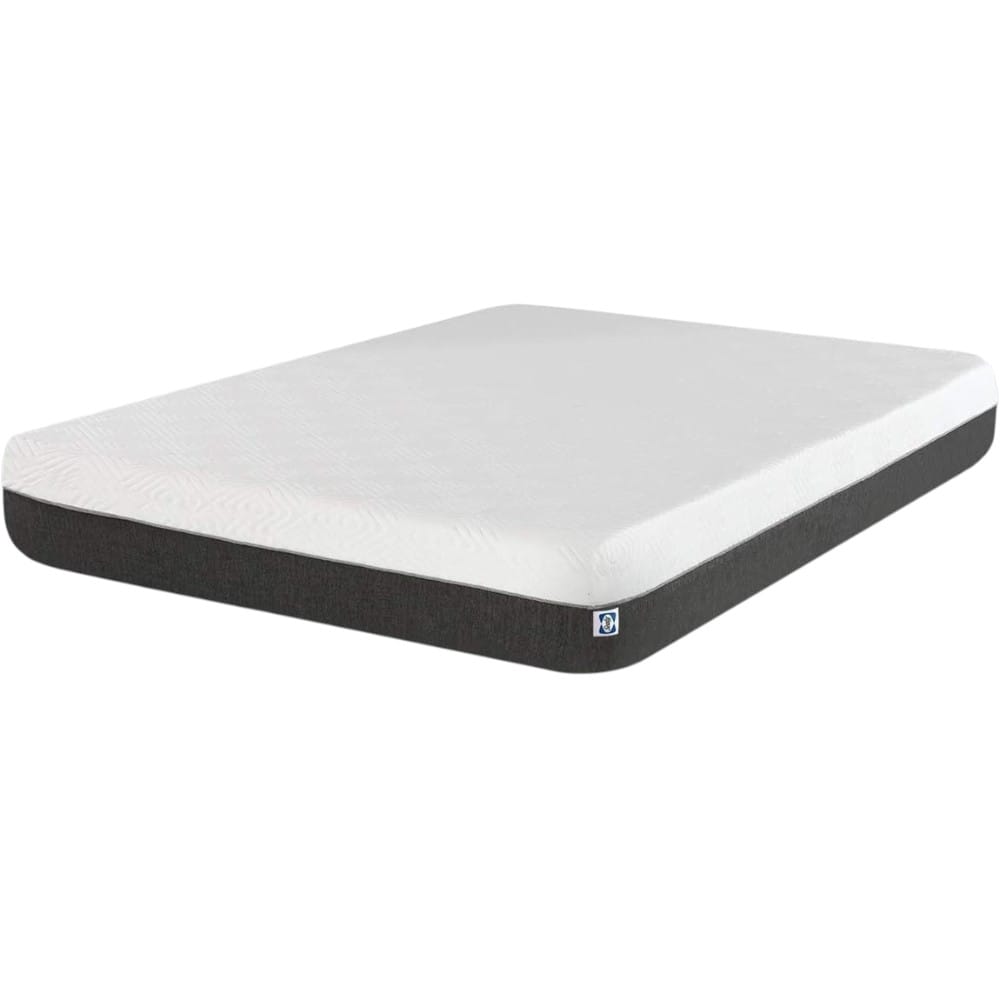
Hybrid support and better airflow make this a strong fit for frequent RV use and partner sleeping.

Dreamfoam Essential RV Mattress
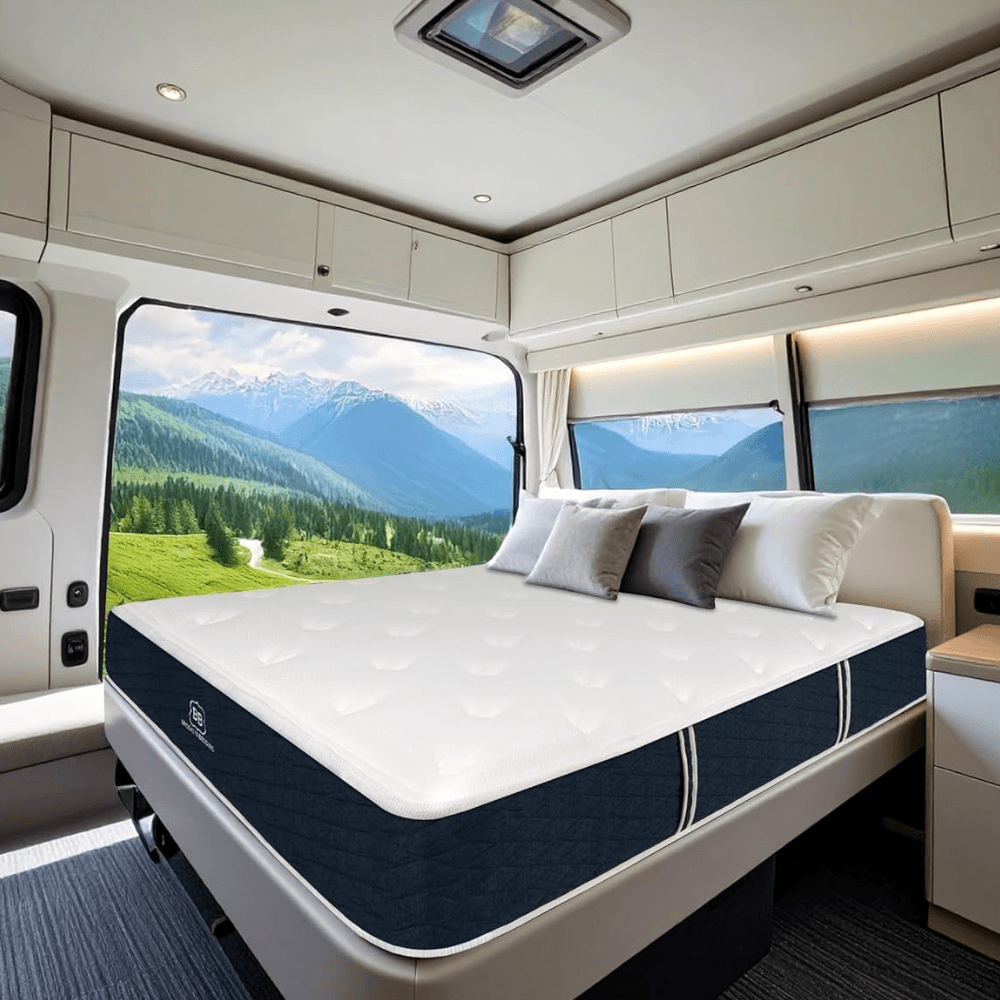
A practical all-foam replacement for owners who want better support without paying premium prices.
DynastyMattress CoolBreeze RV Mattress
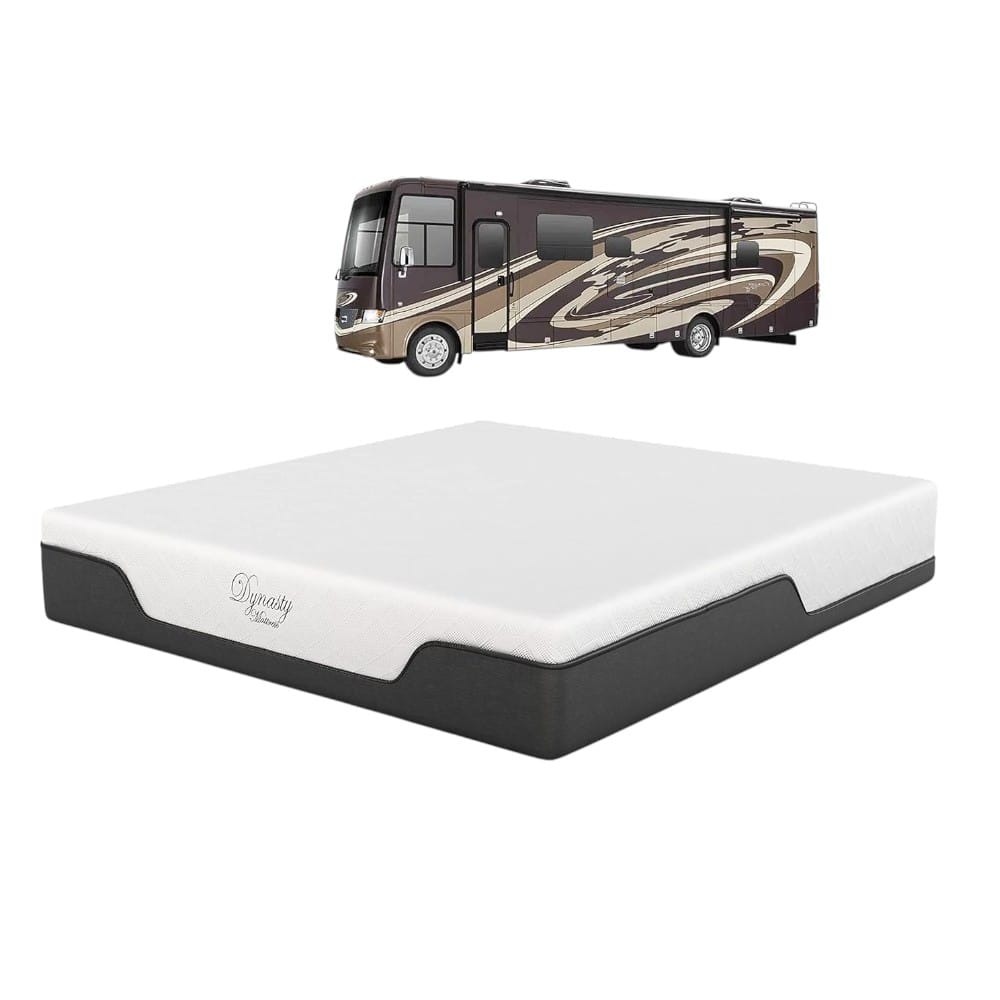
A familiar short queen gel/memory foam rv mattress option that targets common camper sizes and straightforward upgrades.
Zinus Green Tea Cooling Memory Foam Mattress, Short Queen
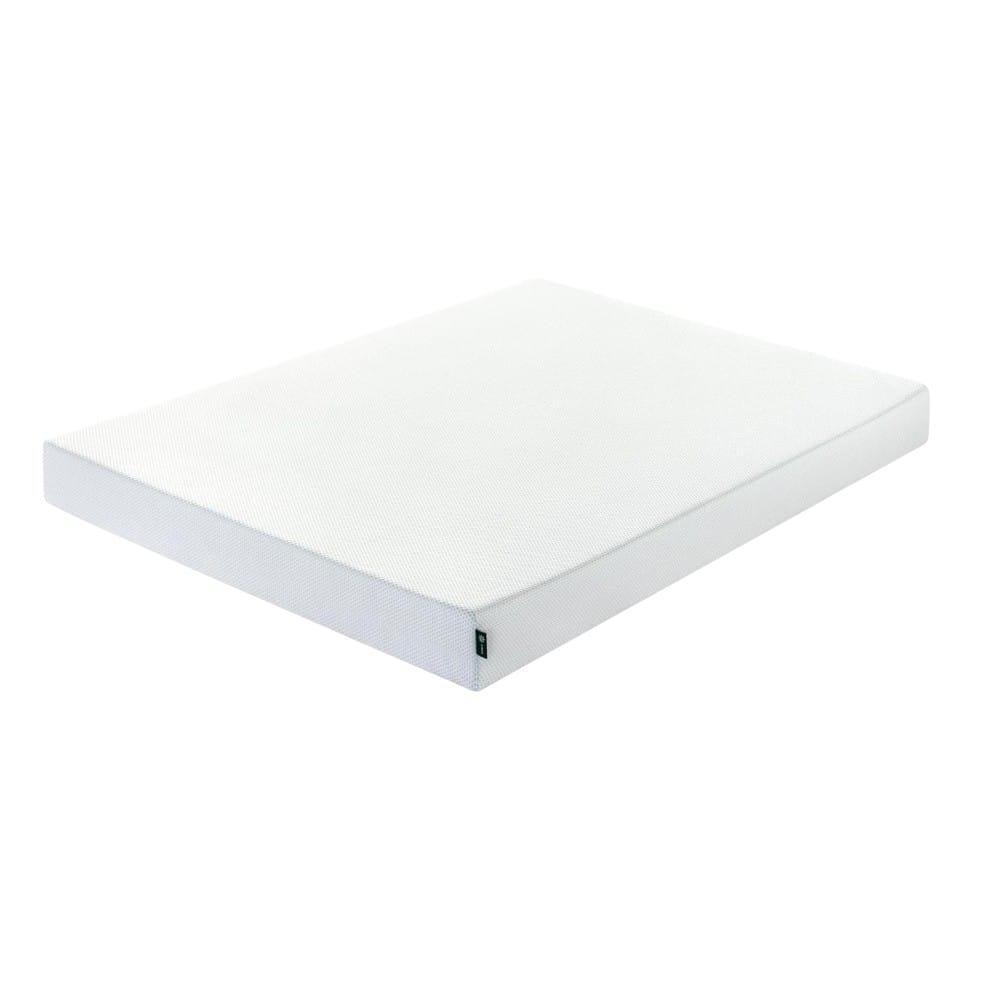
RV mattress product image of Zinus Green Tea Cooling Memory Foam Mattress, Short Queen
WanderRest Cool Hybrid RV Mattress
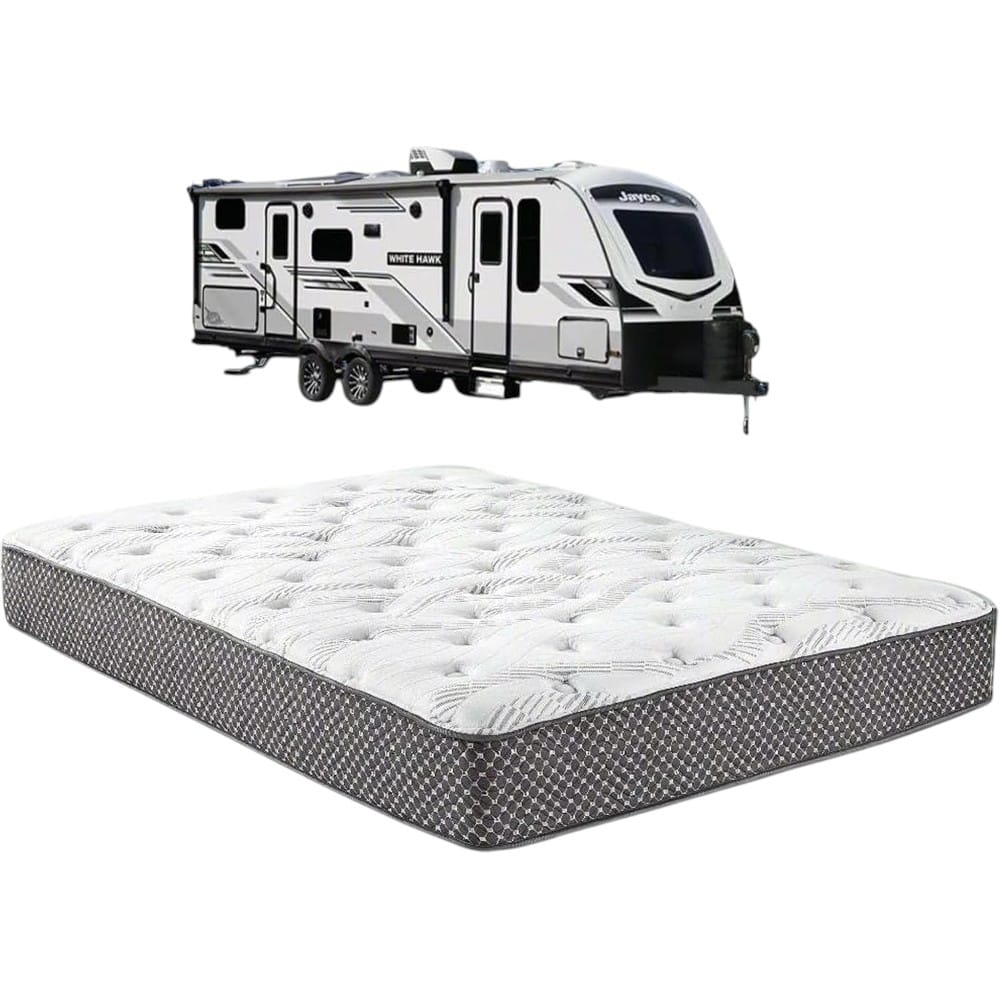
Cooling-focused hybrid construction works well for hot sleepers and couples spending long stretches in the rig.
Mattress Toppers and Comfort Overlays
This group is for RV beds that are structurally acceptable but still not comfortable enough. A topper can soften a hard mattress, add a cooler layer, or fine-tune support without replacing the whole bed.
ViscoSoft Select High-Density Mattress Topper
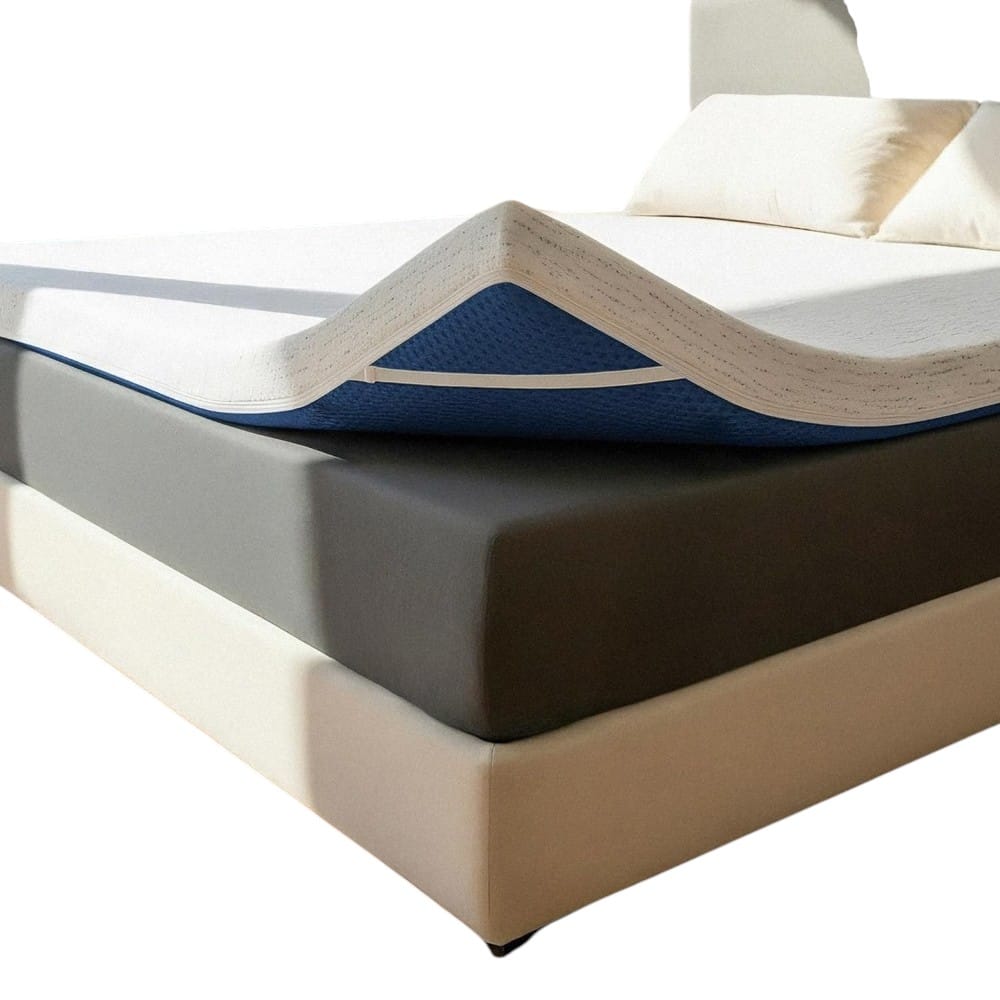
Dense memory foam adds cushioning while keeping a steadier feel than softer bargain toppers.
LUCID 3 Inch Gel Memory Foam Mattress Topper
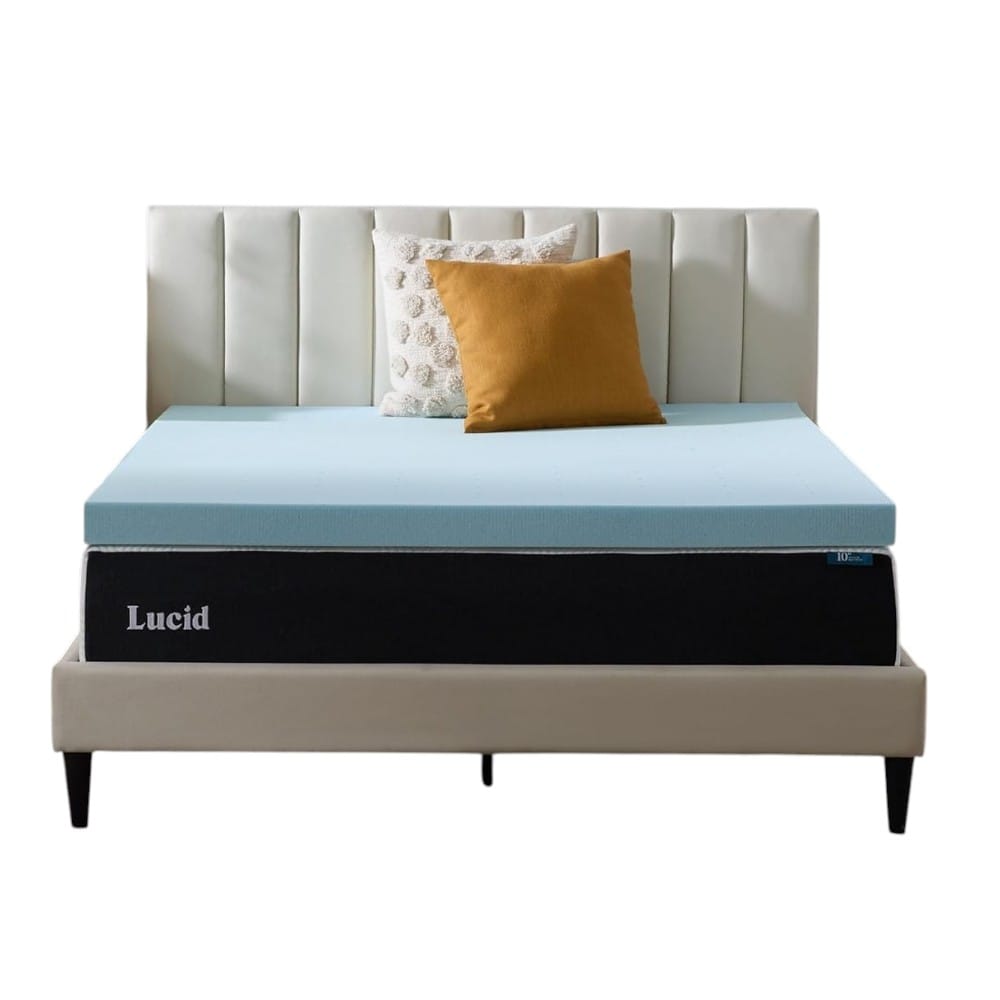
Three inches of gel foam can noticeably calm down a firm, punishing RV mattress.
Pure Green Natural Latex Mattress Topper
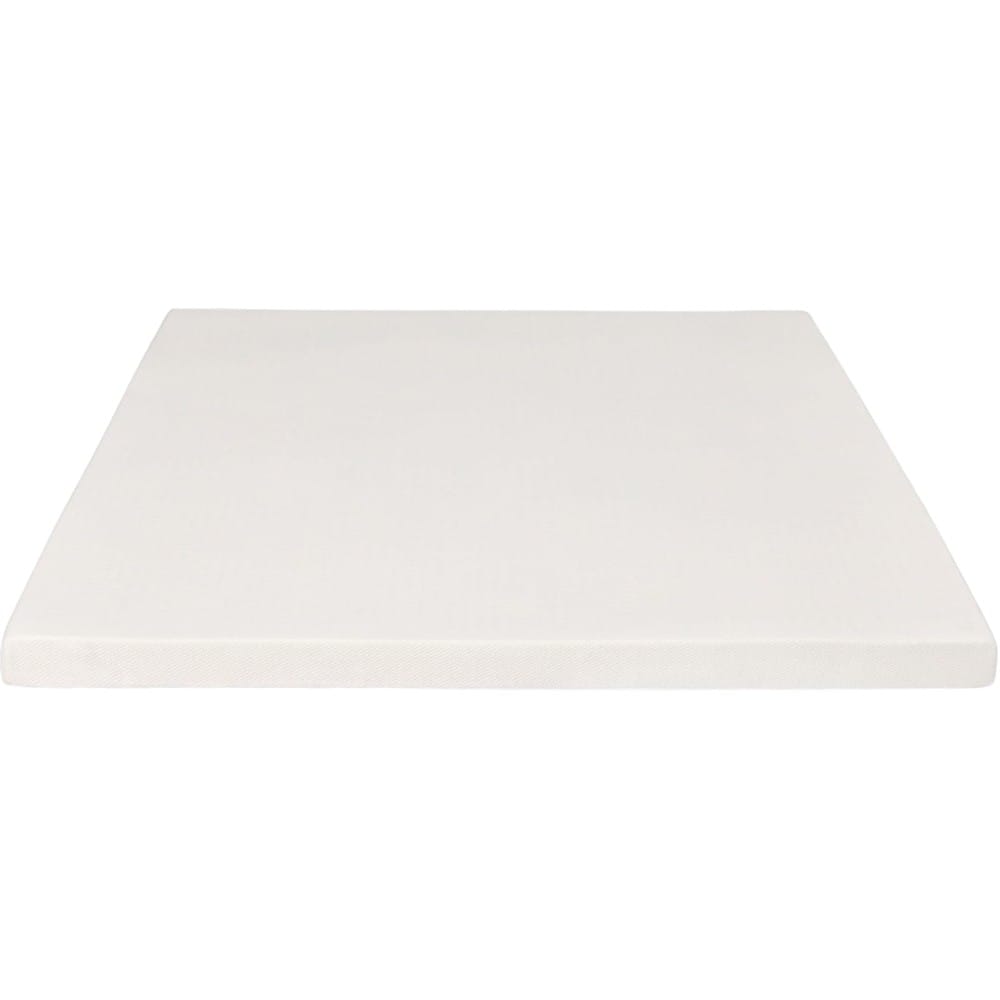
Latex gives firmer beds a cooler, springier comfort layer that is easier to move on.
Protectors, Sheets, and Mattress-support Accessories
These items handle the secondary problems that often ruin an otherwise good bed. They help with fit, moisture control, surface protection, and support under the mattress.
SafeRest Waterproof Mattress Protector
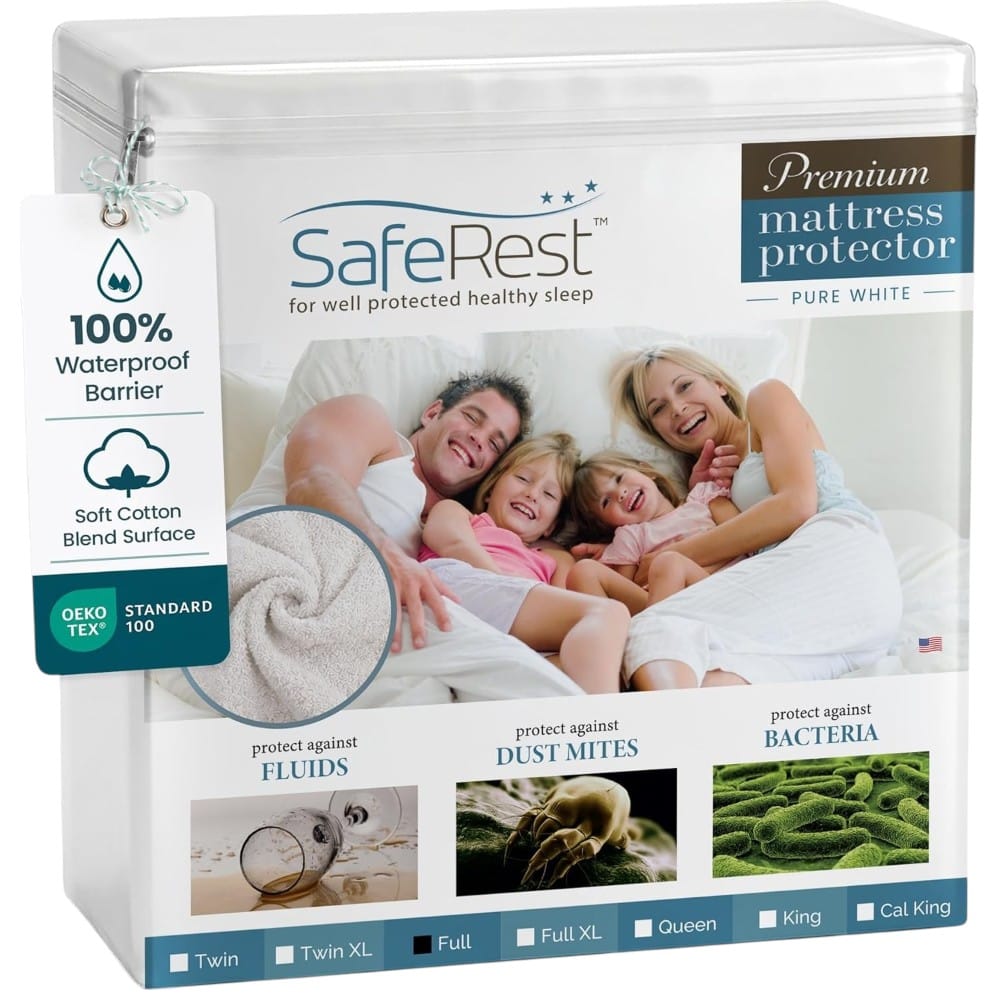
A simple protective layer that helps guard a new mattress from spills, dampness, and everyday grime.
BEDLORE RV Queen Mattress Protector
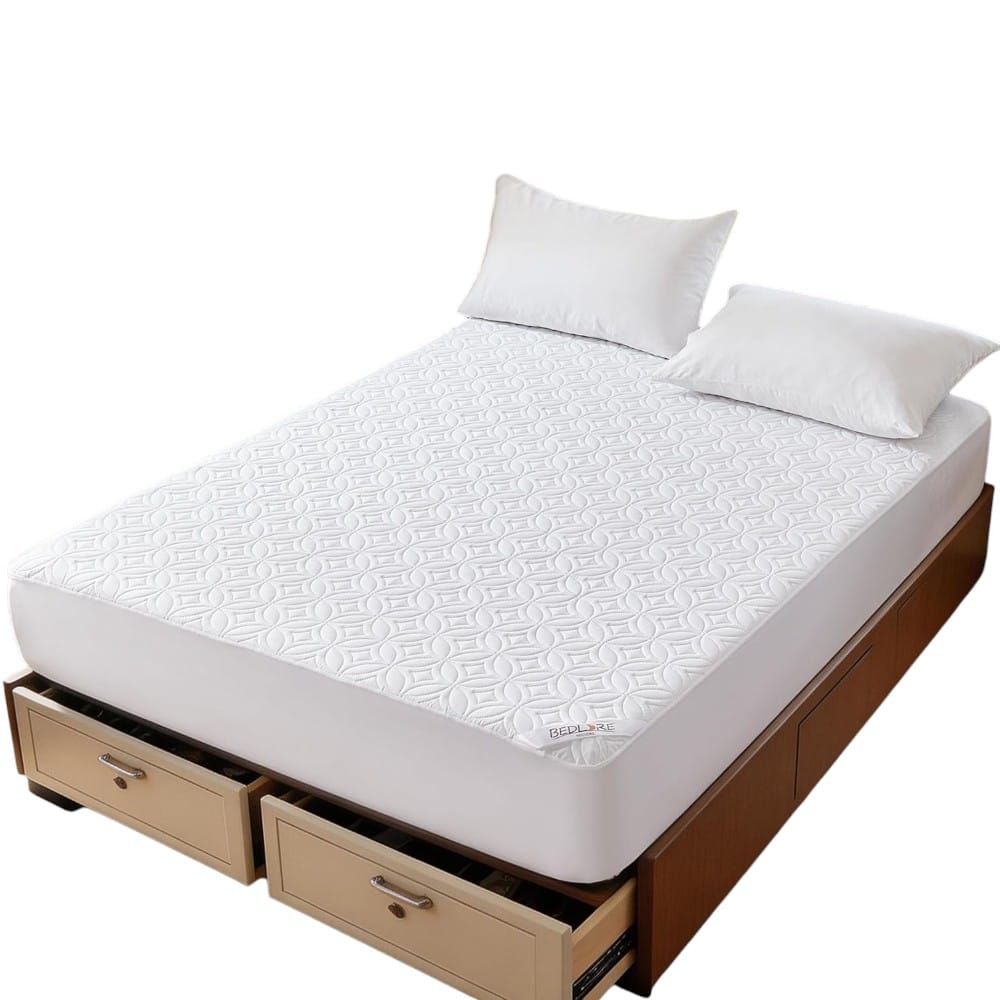
An RV-size protector reduces bunching and shifting when household bedding dimensions are slightly off.
Pure Bamboo Short Queen Sheets for RV Camper
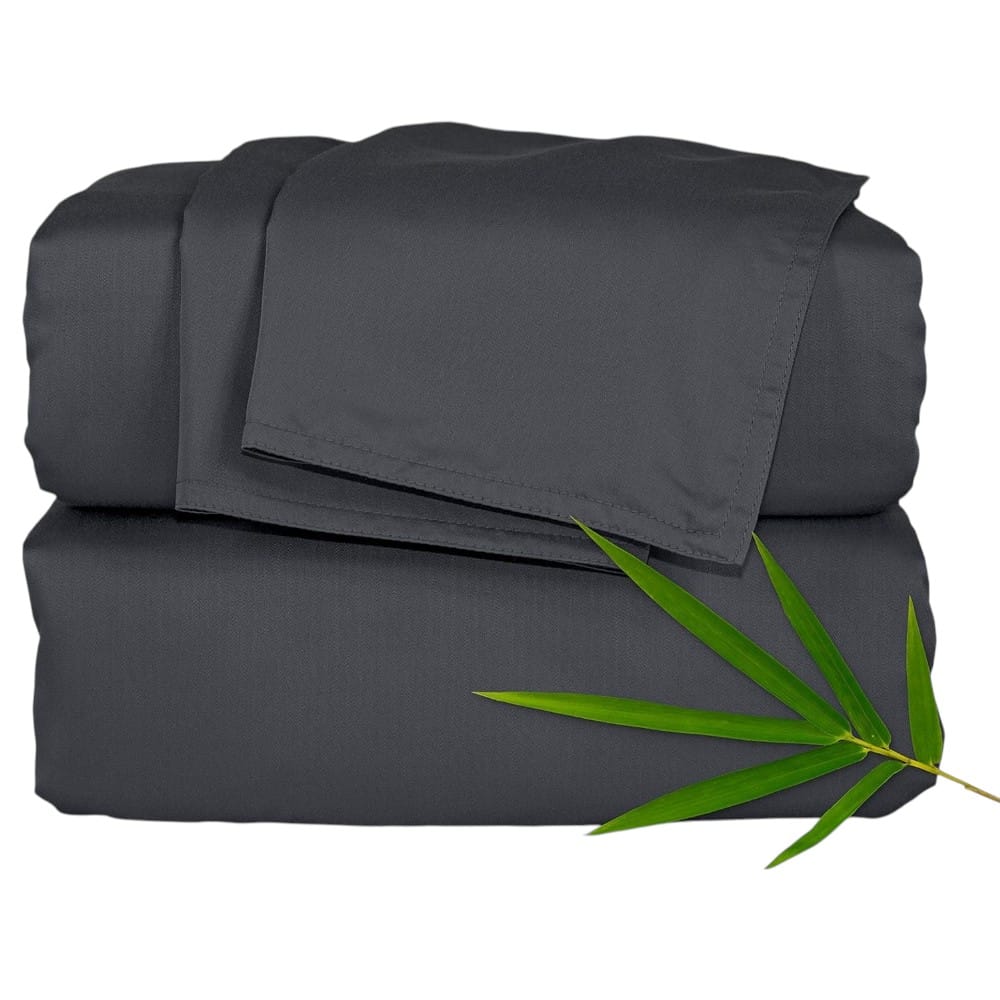
Breathable RV-size sheets stay put better and help the bed feel cooler in compact sleeping spaces.
Hypervent Aire-Flow Moisture Barrier
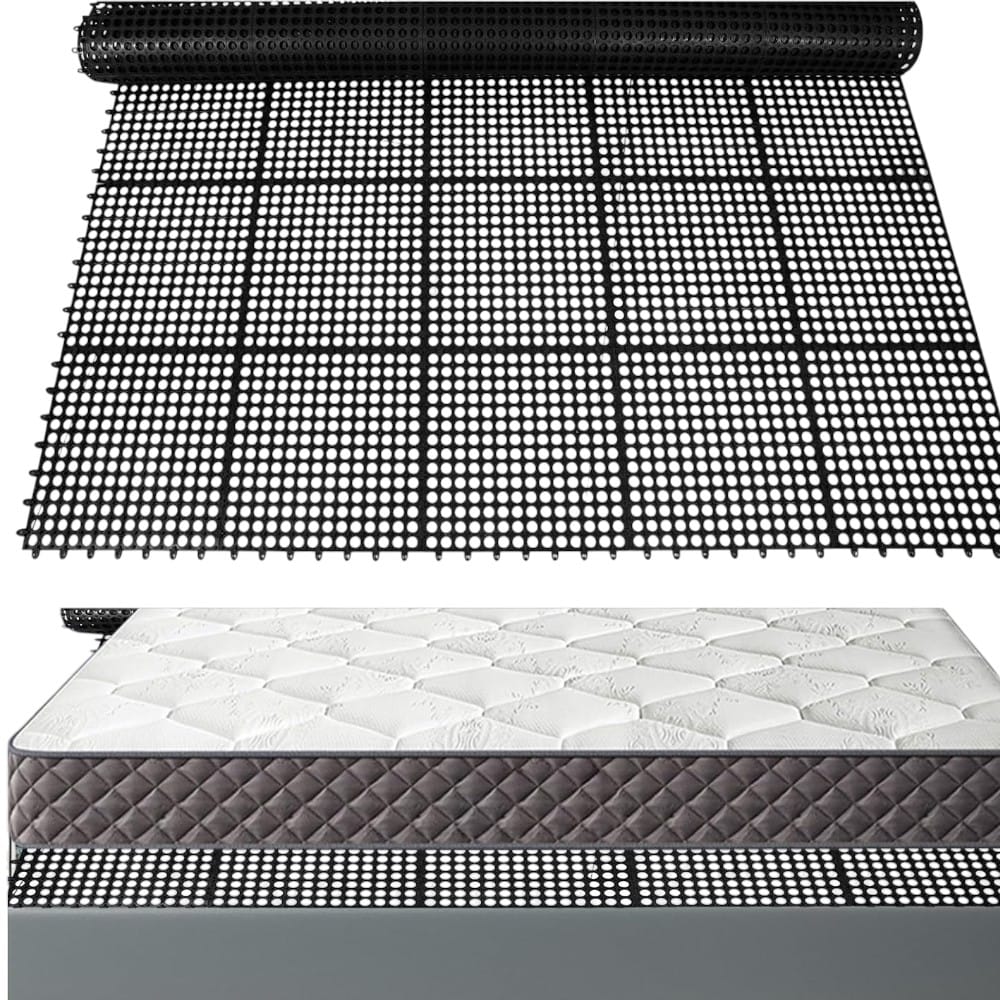
Adds airflow under the mattress to help reduce dampness and condensation on RV bed platforms.
Meliusly Low Profile Bunkie Board
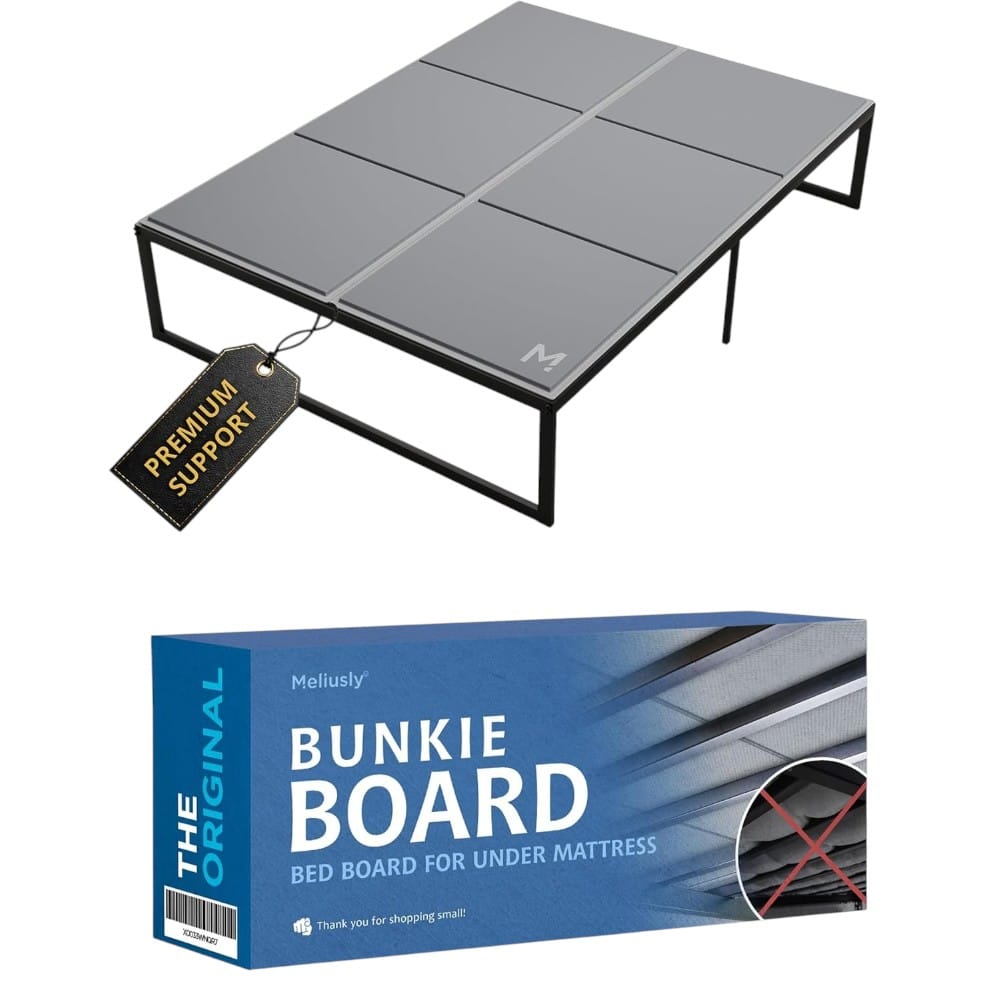
Useful when slat gaps or weak support underneath are making the mattress feel worse than it should.
Disclosure: As an Amazon Associate, we may earn from qualifying purchases.
Product Comparison Chart – RV Mattress Products
| Product | Construction | Comfort Direction | Best For | Fit Notes | |
|---|---|---|---|---|---|
| Brooklyn Bedding Signature Hybrid RV Mattress | Hybrid | Balanced support with airflow | Frequent RV use | Better where weight and height limits are moderate | |
| Dreamfoam Essential RV Mattress | All-foam | Budget comfort reset | Weekend rigs | Good base for later topper tuning | |
| DynastyMattress CoolBreeze RV Mattress | Gel memory foam | Medium-firm contouring | Straightforward RV upgrades | Strong choice in common RV sizes | |
| Zinus Green Tea Cooling Memory Foam Mattress, Short Queen | Memory foam | Softer pressure relief | Casual to moderate trips | Best on straight-sided short queen platforms | |
| WanderRest Cool Hybrid RV Mattress | Cooling hybrid | Plush-medium support | Hot sleepers and couples | Worth checking where airflow is a recurring problem | |
Gear Comparison Guidance
Start by comparing the problem, not the product. A full mattress replacement makes sense when the original bed has weak support, obvious sag, or terrible edge stability. A topper makes more sense when the bed underneath still holds shape but needs softer pressure relief, cooler comfort, or a firmer response. Support accessories come into play when the mattress is not the only issue.
Comfort and practicality can tug in different directions. Thicker, heavier mattresses often feel better, but they can complicate storage access, sheet fit, and Murphy-bed clearance. Plush toppers can feel excellent, but too much added height may create new annoyances. Accessories are less exciting, yet a moisture barrier or bunkie board can solve the kind of hidden problem that keeps a new mattress from performing properly.
When in doubt, work from the foundation upward. Fit first. Support second. Comfort layer third. Bedding and moisture control last.
Quick Decision Guide
- If your mattress already sags or bottoms out, skip the topper experiment and replace the mattress.
- If the bed feels too hard but still looks structurally sound, start with a topper before spending on a full replacement.
- If you sleep hot in a tight RV bedroom, prioritize airflow, breathable sheets, and under-mattress ventilation.
- If your bed sits on wide slats or a flimsy panel, fix the foundation before judging the mattress.
- If a Murphy bed or slide clearance is involved, keep total mattress-plus-topper height on a short leash.
Buying Considerations
- exact mattress length, width, and corner shape
- total finished bed height after topper and protector
- mattress weight if the platform lifts for storage
- support type under the mattress: plywood, slats, or hinged deck
- heat retention versus cooling performance
- How easy it is to make the bed in a tight bedroom
- moisture risk beneath the mattress in your travel climate
- availability of RV-size sheets and protectors that actually fit
Accessory Ideas
- Fitted sheet straps for beds where corners pop loose in the night
- A slim bedside caddy to keep glasses, phone, and book clutter off the mattress
- A 12V fan or compact clip fan for better airflow around warm sleeping areas
- A wedge cushion for readers who sit up in bed without good wall support
- Moisture-absorbing packs or a small dehumidifier for rigs stored in damp climates
RV Mattress FAQs
Can I use a regular household mattress in an RV?
Sometimes, but only if the dimensions, height, and weight work for your platform and surrounding clearance. Many RV beds use short or custom sizing, and some have corner cuts or Murphy-bed limits that make a standard residential mattress a poor fit even when the width looks close.
Is a topper enough to fix a bad RV mattress?
It depends on what “bad” means. A topper works well when the mattress is too firm or needs comfort tuning. It usually does not solve sagging, weak edges, or a failing support core. If the mattress has already lost structure, a topper is more of a bandage than a cure.
Why does my RV mattress feel damp underneath?
Condensation can accumulate between the mattress and a cooler bed platform, especially over plywood, storage bays, or exterior walls. Limited airflow makes it worse. Lifting the mattress occasionally, improving ventilation, and adding an airflow layer under the bed can help reduce trapped moisture.
What matters more in an RV, mattress type or exact fit?
Exact fit comes first. The best mattress on paper is still the wrong choice if it blocks storage access, interferes with a Murphy bed, or hangs over a clipped corner. Once fit and platform support are confirmed, it makes sense to compare memory foam, latex, or a hybrid comfort option.
Are RV sheets really worth buying instead of regular sheets?
Yes, when your bed uses RV short queen, RV queen, or another nonstandard size. Correctly sized sheets stay put better, make the bed easier to manage, and reduce the daily nuisance of corners slipping out of place. In a small bedroom, small annoyances get old fast.
Other Resources
These additional reads can help if you want more detail on mattress choices, RV bed layouts, and related comfort improvements.
- Best RV Mattresses Ultimate Sleep Solutions 101
- Design and Install Your Personalized RV Murphy Bed
- 18 Essential RV Interior Accessories for a Chic and Functional Space
- RV Window Shades: A Complete Guide to Sun Protection on Wheels
- The 15 Best RV Interior Cleaning Tips & Products
Keep Exploring Related Gear Topics
If you want to keep building out your campsite comfort setup, these gear pages are a good next stop.
- Sleeping Gear: Bags, Pads, Mattresses, and Pillows
- Camp Chairs That Don’t Wreck Your Back
- Tables, Prep Surfaces, and Folding Furniture
- Lighting That Actually Lets You See
- RV Small Comfort Extras
Closing Guidance
A comfortable RV bed is rarely about a single magic product. Most of the time, it is a stack of decisions that work together: accurate sizing, a mattress that matches your sleep style, the right comfort layer, and enough airflow and support underneath to let the whole setup do its job. Miss one of those pieces and the bed can still feel disappointing.
That is why it helps to stay practical. If the mattress is flat-out worn out, replace it and move on. If the support is decent but the bed is too hard, a topper may get you where you want to go for less money and less hassle. If the surface feels clammy or the mattress shifts around, look below and around the mattress before assuming the comfort layer is to blame. If you cannot find a commercially available mattress to your liking, consider getting a custom rv mattress.
The best RV sleep setup is the one that fits your rig and keeps working after repeated trips, changing weather, and normal road vibration. It should let you settle in without fuss, sleep without constant tossing, and wake up ready for the day instead of feeling like you lost an argument with the bed.
Revisit the chapter if you want a deeper discussion around fit, materials, topper strategy, and platform problems. Use this page when you want the shorter gear view.
Last updated: 4/26