

What You’ll Find on This Page
This resource page is the quick-reference companion to the Chapter 9 of Camp Comfort Gear Essentials. The chapter is built around one simple truth: bug control works better in layers than in wishful thinking. A single spray bottle rarely saves the day when mosquitoes are thick, the air is still, and dinner is happening right at dusk. The chapter explains how campsite choice, clothing, repellents, mosquito nets, and screened shelters all work together, and this page pulls those camping bug protection gear pieces into one practical place.
You’ll find a condensed camping bug protection gear summary, grouped product recommendations pulled from the product blocks in the chapter, quick buying guidance, accessory ideas, FAQs, and a short list of related internal articles. That matters, because nobody wants to sort mosquito gear while being eaten alive in paragraph form.
Use this page as the grab-and-go version of the chapter. If you already read the chapter, this page helps you compare options faster, find Amazon search links, and spot which items make sense for your kind of camping. If you have not read the chapter yet, this page will still help you narrow down what sort of bug protection system you need, but the chapter gives the fuller reasoning behind campsite placement, timing, clothing strategy, standing-water control, and how to layer defenses instead of leaning on one product to do all the work.
SETUP TIP:
Bug protection works better when you build a protected zone instead of treating every bite after the fact. A good repellent, a fast-deploy screen shelter, and a dependable net for sleeping cover the hours when mosquitoes usually win.
Quick Gear Summary
- Skin-applied mosquito repellents for heavy, moderate, and extended-use conditions
- Zone-protection repellent devices for seating and evening hangout areas
- Fabric treatment for clothing and gear
- Hanging mosquito nets for sleep protection
- Screen shelters and screenhouses for bug-free sitting and dining areas
Product Recommendations by Category
The products below represent commonly recommended options within the camping bug protection gear categories discussed in this chapter.
Mosquito Repellents: What Works & When
This group fits campers who need active bug defense during hiking, meal prep, dusk campfire time, or any trip where mosquitoes are part of the reservation. The chapter leans on variety here for a reason: some products protect skin, some treat clothing, and some create a buffer around your camp chair instead of your ankles.
Off! Deep Woods Insect Repellent (DEET
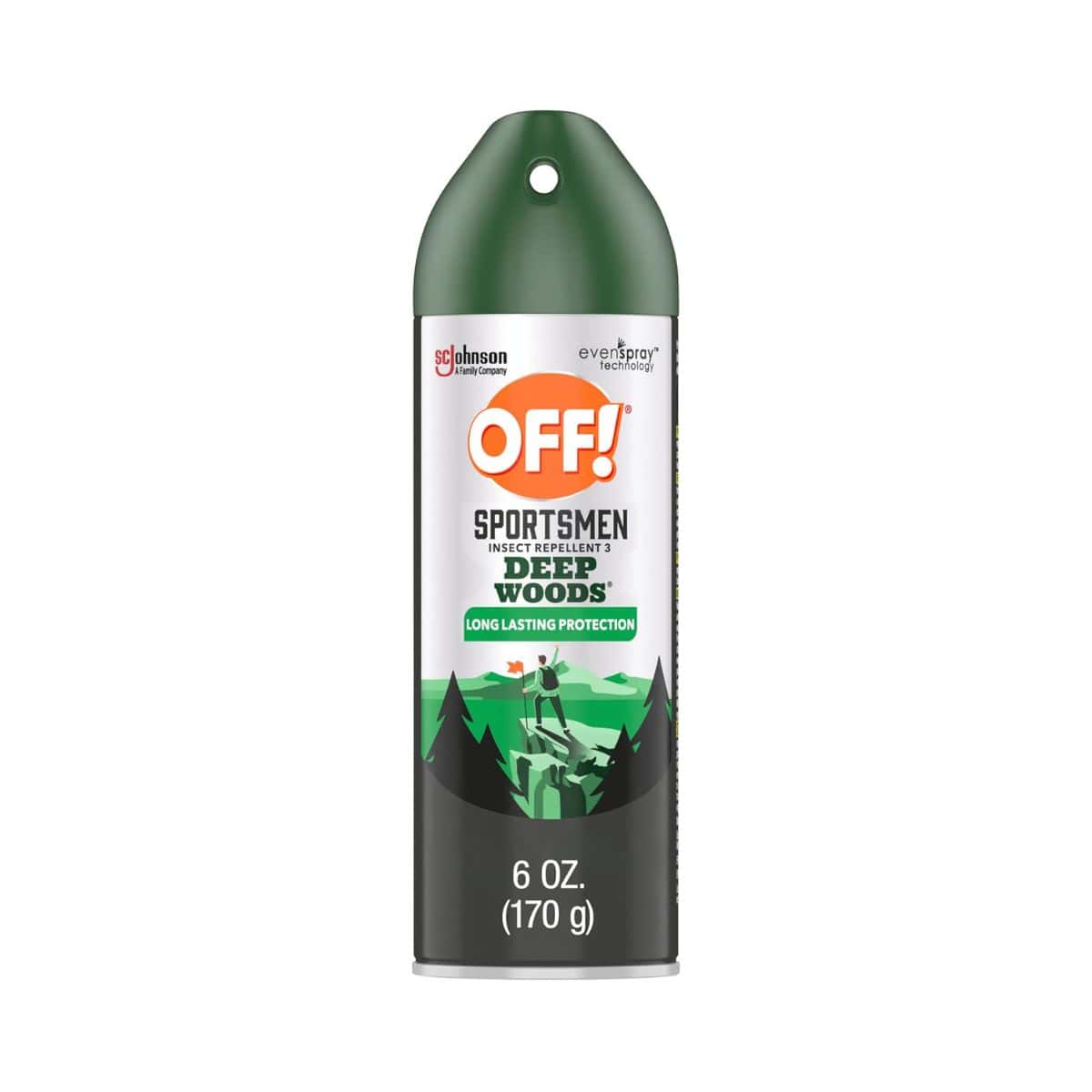
Long lasting protection from ticks, mosquitoes, and biting flies
Sawyer Picaridin Insect Repellent
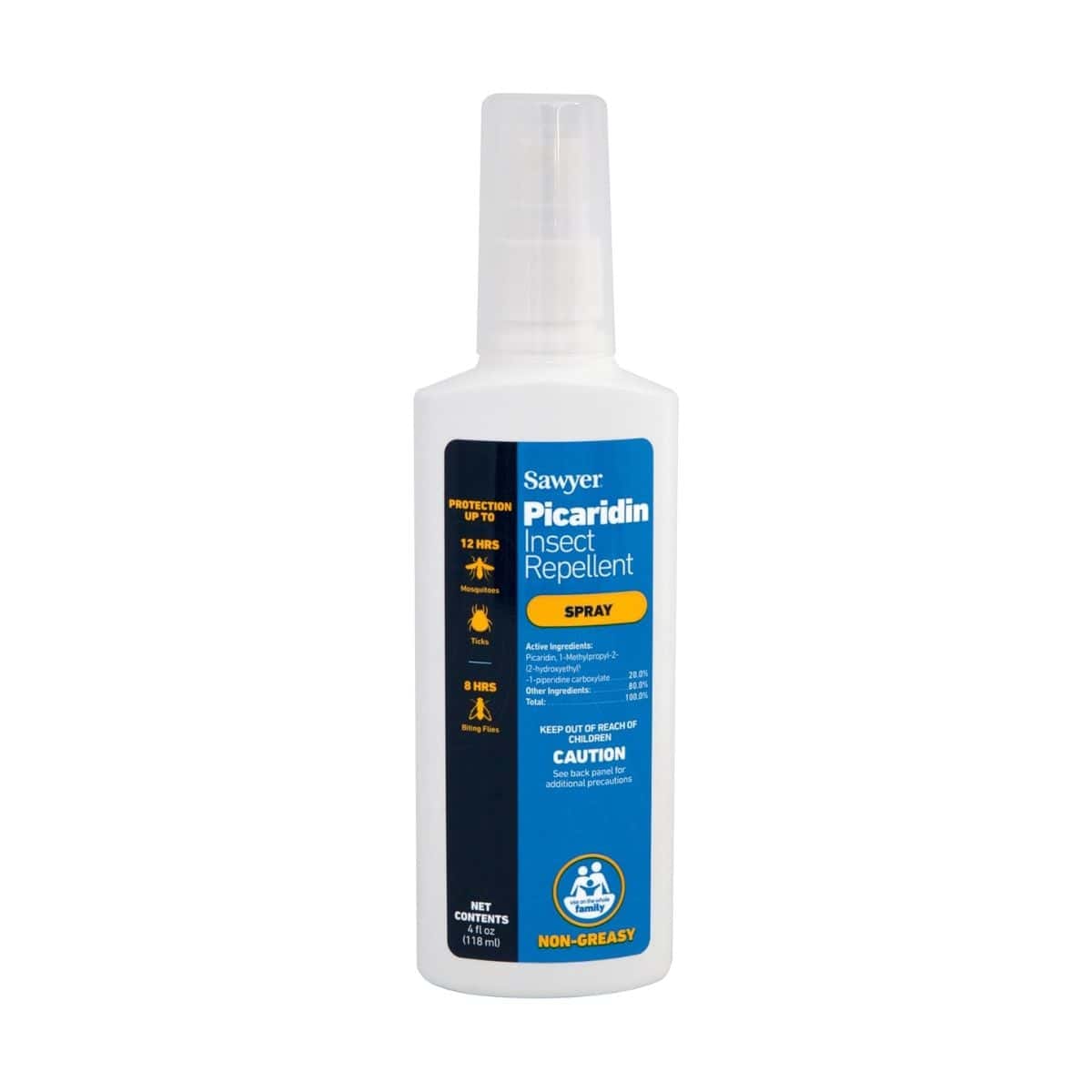
Long-lasting insect and tick repellent lotion deters mosquitoes
Repel Plant-Based Lemon Eucalyptus Insect Repellent

Use this product to repel mosquitoes for up to 6 hours.
Thermacell Mosquito Repellent (Zone Protection)
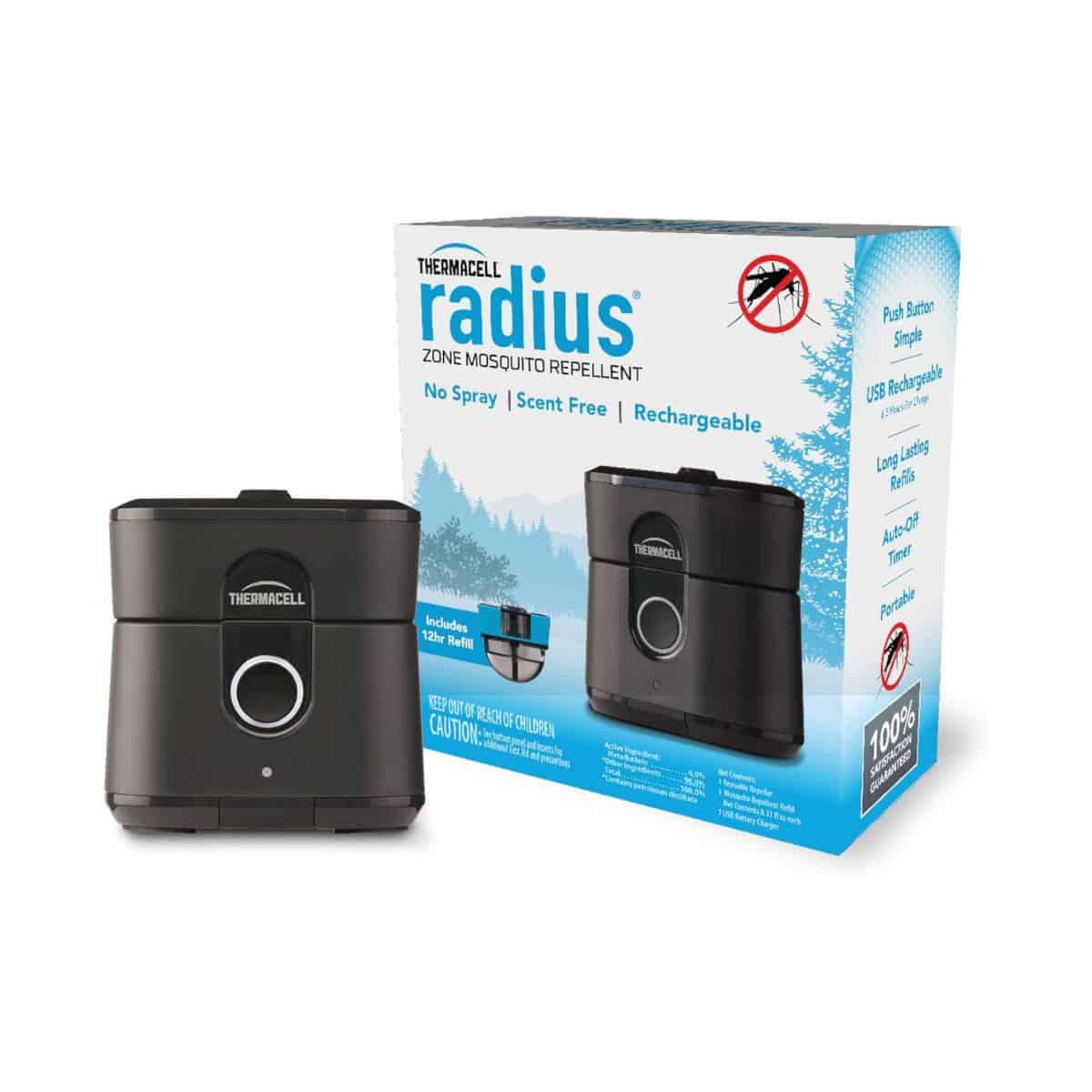
Creates a 10-foot zone of protection against mosquitoes.
Sawyer Permethrin Fabric Treatment
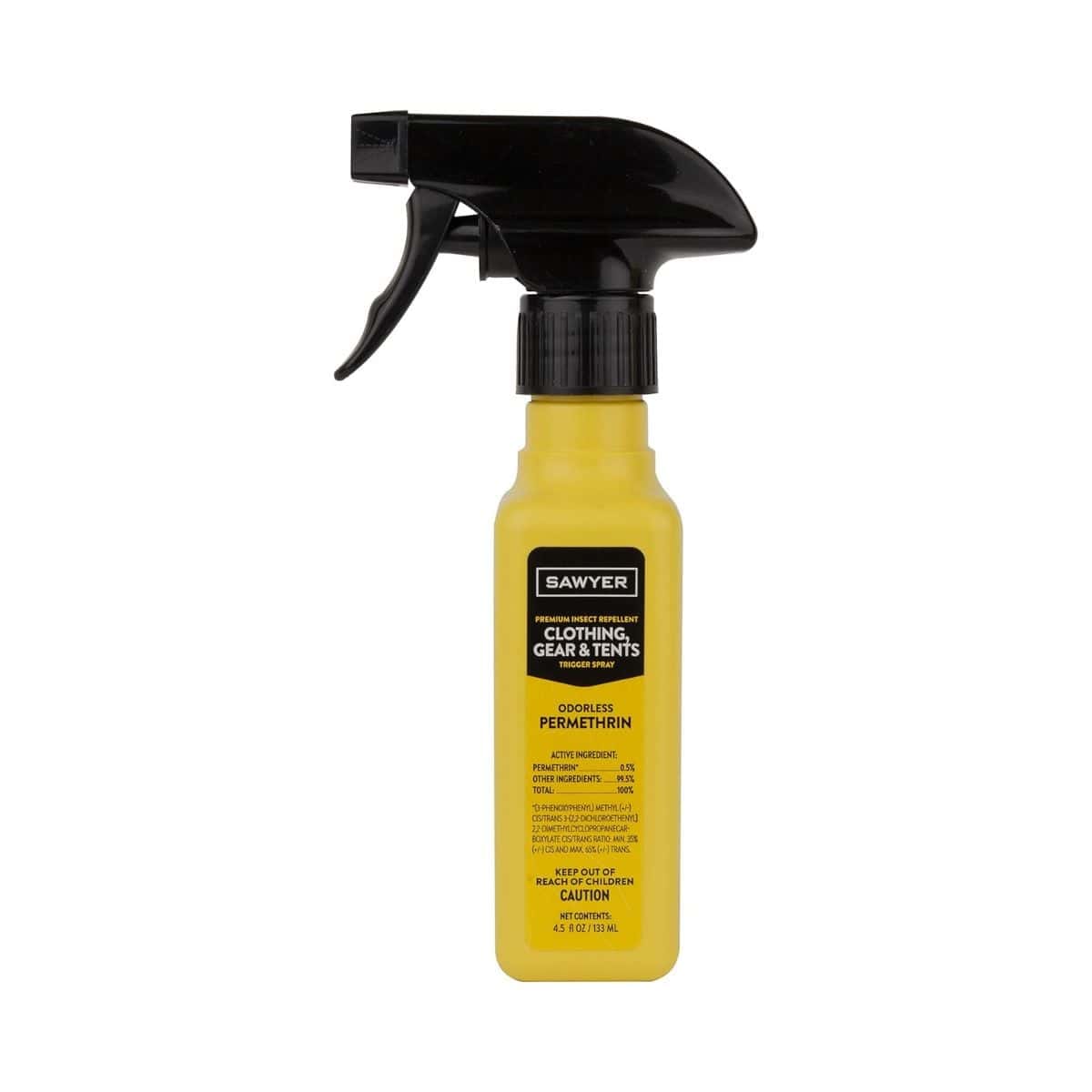
Ideal for backpacking, backyard BBQs, hunting, and other outdoor activities
Ultrathon Insect Repellent Lotion
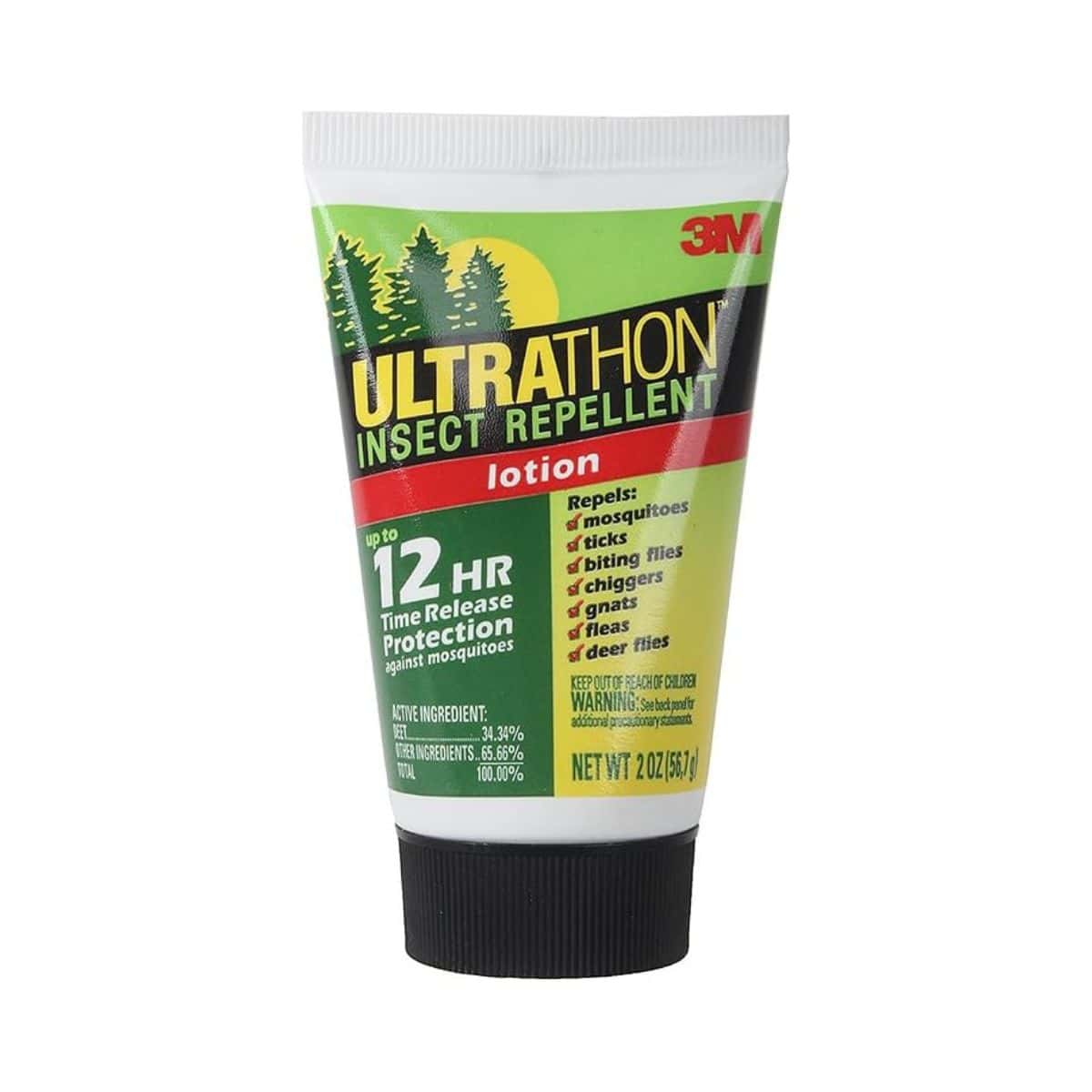
Unique time-release technology provides long-lasting protection
Recommended Mosquito Nets
This section is better suited to campers who want dependable physical barriers instead of relying only on sprays and scents. The chapter makes the case clearly: nets and screen gear do not wear off, do not depend on windless conditions, and are especially useful for sleep, reading, cooking, and hanging around camp when you are not moving much.
Sea to Summit Mosquito Pyramid Net (Single or Double)
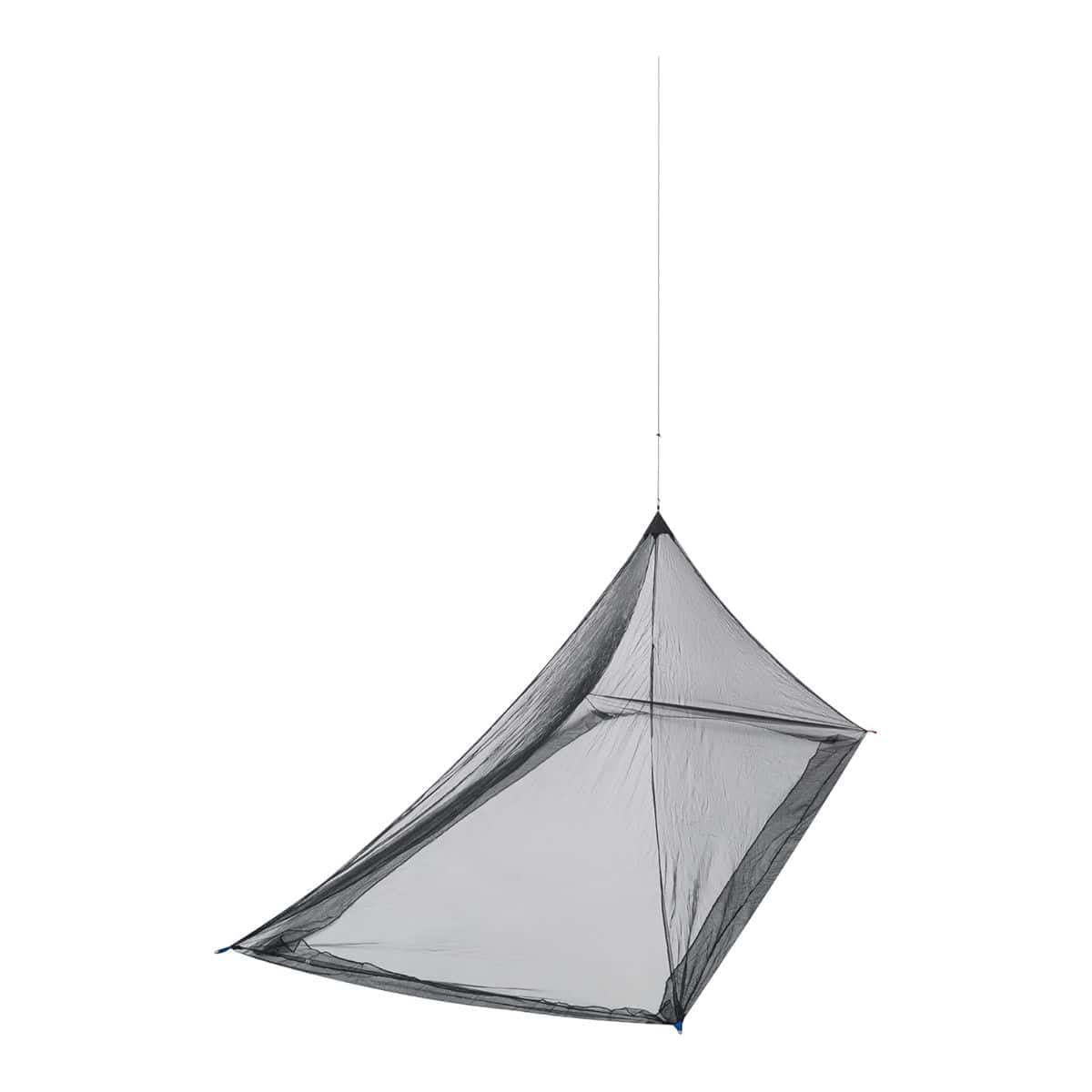
Net shelter for use over a cot, sleeping pad, or mattress
Coghlan’s Mosquito Net (Hanging)
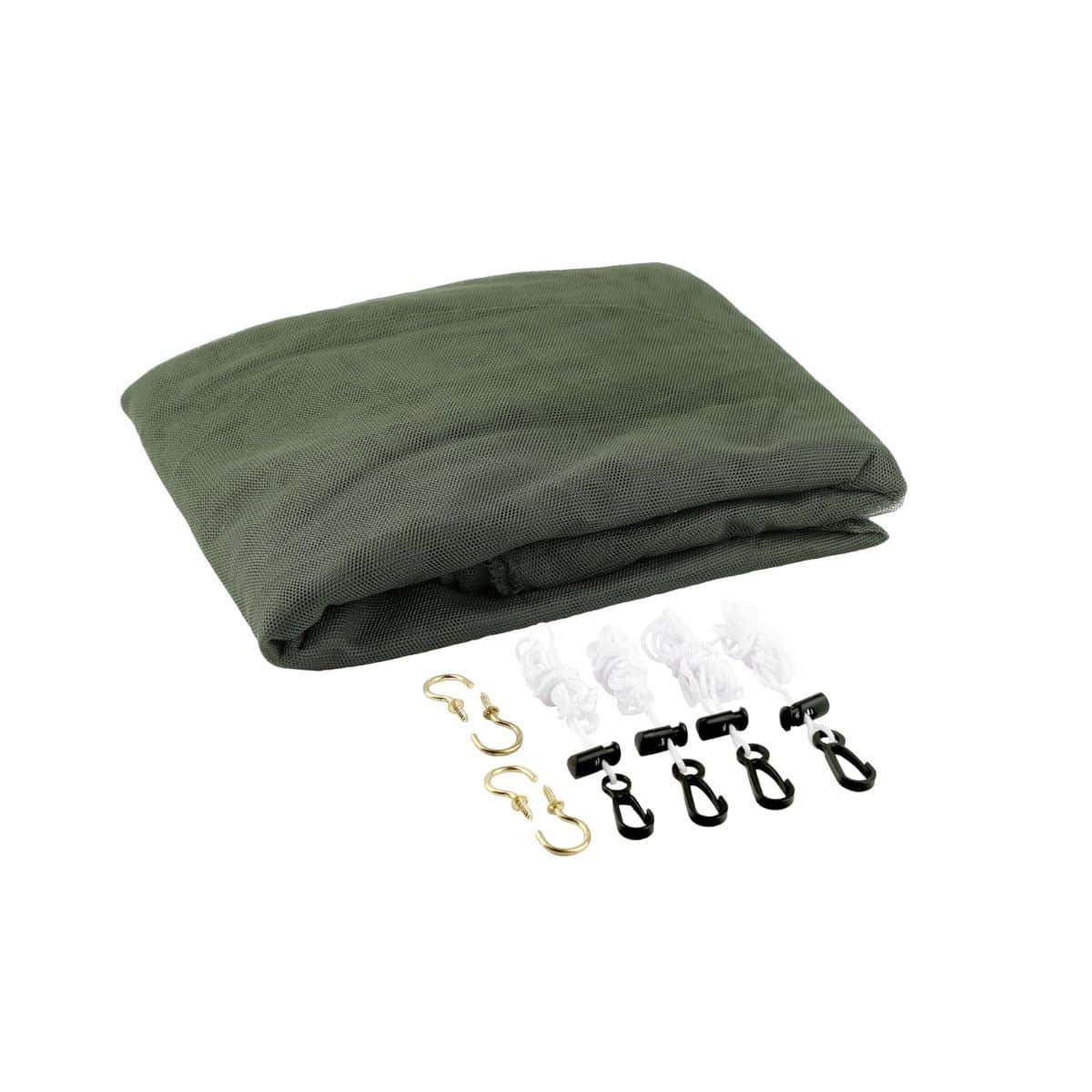
Ideal for backpacking, travel, and long-term outdoor use
Alvantor Screen House Room (Pop-Up Screen Shelter)
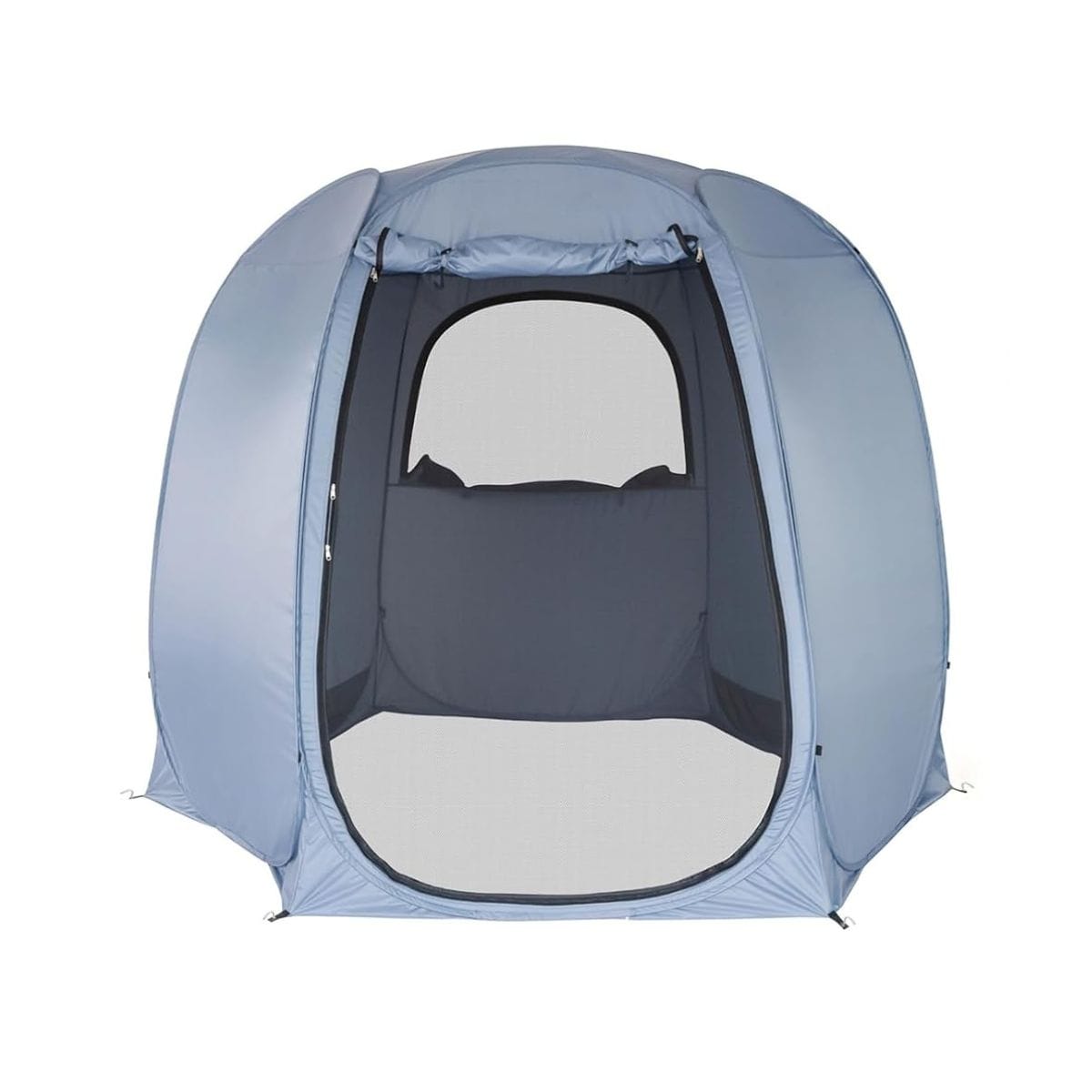
This tent is designed for all four seasons.

Coleman Instant Screenhouse
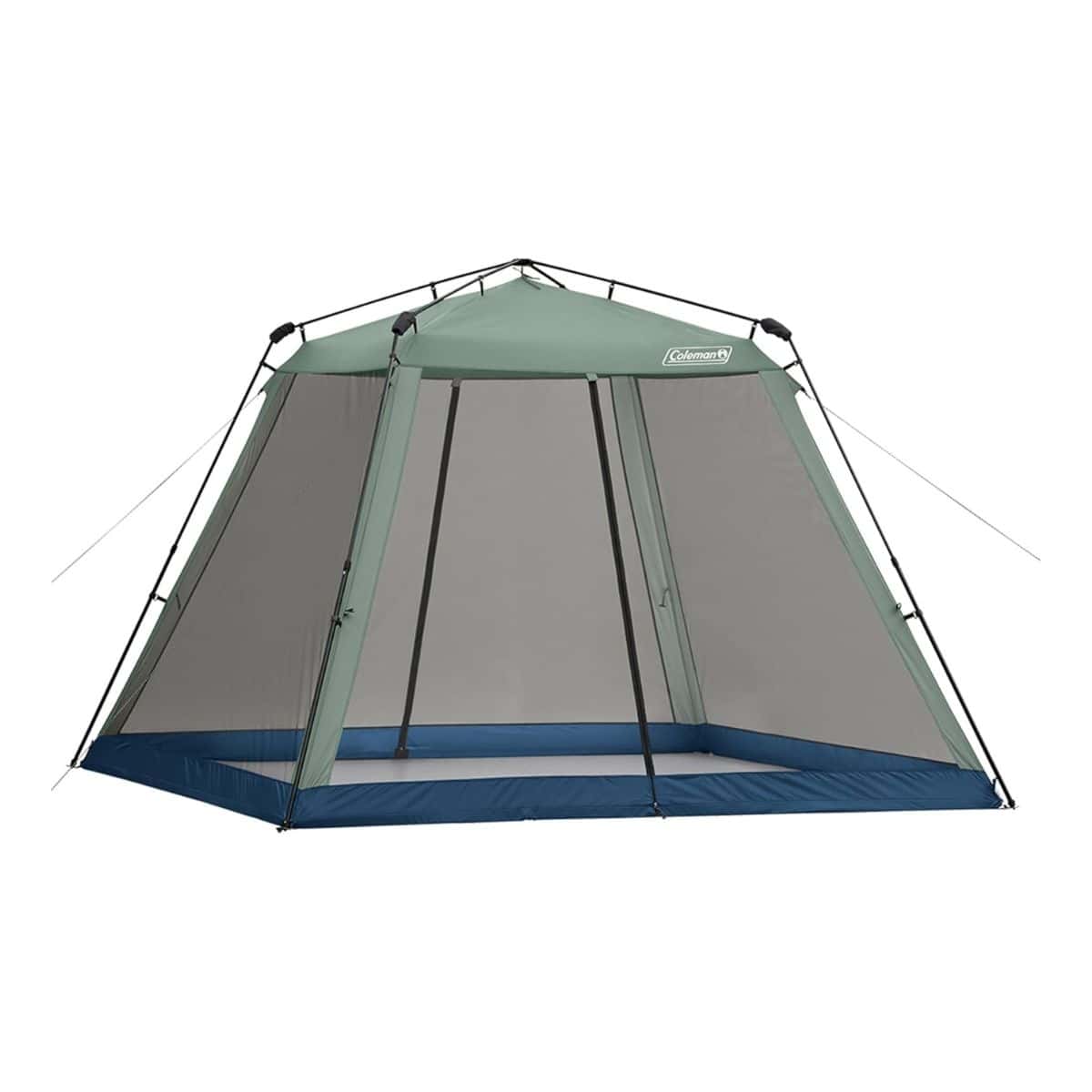
Enclosed mesh walls with 2 entryways makes it easy to bring gear in and out
Disclosure: As an Amazon Associate, we may earn from qualifying purchases.
Gear Comparison Guidance
The main trade-off in this chapter is between active protection and passive protection. Skin repellents are light, fast, and easy to carry, but they need reapplication and only work where you apply them. Fabric treatment adds another layer, though it takes planning ahead. Zone-protection devices are handy around camp chairs and tables, but they are not the same thing as a full-body shield.
Mosquito nets and screened shelters solve a different problem. They create a physical barrier, which means no waiting for chemicals to do their thing and no surprise bites while you read, cook, or try to sleep. The catch is bulk and setup. A hanging net packs small but protects a narrower use case. A screenhouse gives you more livable space, but it takes more room in storage and works best for car camping, RV camping, or basecamp setups.
The right choice usually depends on how you camp. Fast-moving campers may lean harder on spray and clothing treatment. Campers who stay put longer usually get more value from screen gear.
Quick Decision Guide
- If you camp in heavy mosquito country at dawn and dusk, start with a strong skin repellent and add treated clothing.
- If you hate reapplying products all day, look at longer-lasting lotion options and a screen shelter for evening use.
- If you want the most dependable sleep protection, prioritize a mosquito net over another bottle of repellent.
- If you mostly camp by RV or vehicle and have storage room, a screenhouse gives you a much more usable outdoor living zone.
- If you backpack light or keep camping bug protection gear to a minimum, a compact hanging net makes more sense than a full shelter.
- If you camp in wooded areas with both mosquitoes and ticks, fabric treatment becomes a smarter part of the system.
Buying Considerations
- Type of protection needed: skin, clothing, sleep area, or full seating zone
- Reapplication frequency during long days outside
- Packed size for RV compartments, car trunks, or smaller gear kits
- Ease of setup at dusk when patience is already running low
- Effectiveness in calm air versus breezy conditions
- Durability of mesh, seams, and support points for repeated trips
- Whether the product suits moving camp often or staying put several nights
- Comfort trade-offs between lightweight camping bug protection gear and roomier sheltered space
Accessory Ideas
- Head nets: Helpful for hiking or cooking when mosquitoes are thick and you need your hands free.
- Long-sleeve bug shirts: Add physical coverage and reduce how much repellent you need on skin.
- Extra guy lines or stakes: Useful for securing nets or screen shelters in breezy campsites.
- Clip-on battery fan: Air movement can make a screened sitting area more comfortable and less buggy.
- Sealed trash bags or containers: Keeping camp clean helps reduce insect attraction around your site.
- Citronella candles or torches: Best used as a backup around sitting areas in calm weather, not as your whole bug plan.
Camping Bug Protection Gear FAQs
What works better for camping mosquitoes, repellent or a mosquito net?
They do different jobs, so the best answer is usually both. Repellent helps when you are moving around, hiking, cooking, or setting up camp. A mosquito net works better when you are sitting still or sleeping because it creates a physical barrier instead of depending on timing and reapplication.
Is a screen house worth bringing on a camping trip?
It usually is if you car camp or RV camp and spend long evenings outside. A screen house gives you a bug-free place to eat, read, or relax without coating yourself in repellent every hour. For very compact trips, though, a hanging net or simpler system may be easier to carry.
When should I apply mosquito repellent at camp?
Before bugs get active is the smart move. The chapter points out that mosquitoes are most active at dawn and dusk, so applying repellent before those windows gives you better protection than waiting until the swatting starts. Reapply after sweating or swimming
Can I rely on natural bug remedies alone while camping?
Sometimes in lighter bug conditions, yes, but they are better treated as backup options. The chapter describes essential oils and similar remedies as supplemental protection rather than the main line of defense when mosquitoes are heavy. In tougher conditions, layered protection works much better.
What should I look for in a camping mosquito net?
Look for a mesh that balances airflow and protection, a shape that fits how you camp, and a setup method you will actually use at dusk. The chapter notes that quick setup matters because the best net in the world is useless if it stays stuffed in a bag.
How can I reduce mosquitoes around my campsite besides using products?
Start with campsite choice. Higher, drier spots with some airflow tend to be better than areas near stagnant water. It also helps to dump standing water, keep food and trash sealed, wear protective clothing, and avoid being caught unprepared during peak mosquito hours.
Other Resources
Here are some additional articles and resources related to this topic that may help you learn more about the camping bug protection camping bug protection gear discussed in this chapter.
- The Ultimate Motorhome Checklist For Camping Trips
- Best Outdoor Cooking Equipment: Ultimate Guide For 2026
- 20 Outstanding Bug Repellents for RV Camping to Keep the Bugs Away
- Mosquito Net for Camping: 10 Best Tips for Bug-Free Camping
Keep Exploring Camp Comfort Gear
If bugs tend to crash your campsite before sunset, the guides below cover other comfort gear that helps create a more usable outdoor space. Chairs, tables, lighting, and other camp essentials all work together with camping bug protection gear to make evenings outside far more enjoyable.
- Camp Comfort Gear Essentials – Camp Chairs That Don’t Wreck Your Back – Recommended Gear & Resources (Chapter 1)
- Camp Comfort Gear Essentials – Tables, Prep Surfaces, and Folding Furniture – Recommended Gear & Resources (Chapter 2)
- Choose The Best Camping Chair: Ultimate Guide – 9 Top Picks
- Camping Gear – Top Reviews & Advice – This Old Campsite
Closing Guidance
Camping bug protection gear is one of those camping categories that gets ignored right up until the moment it becomes the only thing you can think about. That is why the chapter’s layered approach makes sense. If your camping style involves short stops, moving often, or covering ground on foot, lightweight repellents and treated clothing may do most of the heavy lifting. If your trips are more about settling in, cooking outside, and sitting around camp after dinner, screen gear starts to earn its keep in a big way.
Durability and portability pull against each other here, same as they do with plenty of camp gear. A compact hanging net packs easily but serves a narrower purpose. A screenhouse gives you a better outdoor living area, but it takes space and suits a more established campsite. Repellents are flexible and easy to stash anywhere, but they need upkeep. Physical barriers feel less glamorous on the store shelf, yet they often make camp life much more pleasant once the bugs wake up.
The practical move is to match the camping bug protection gear to your camping pattern instead of trying to buy one miracle fix. Think about where you camp, how long you stay, how much storage room you have, and whether your biggest bug problem happens while sleeping, sitting, cooking, or walking around. Then revisit the chapter for the deeper comparisons and broader campsite strategy. That is where the full value sits. This page gives you the shortlist. The chapter gives you the playbook.
Last updated: 01/2026


